
Amid ongoing debates in Washington regarding foreign policy, a daunting possibility looms that many prefer to avoid discussing. America’s geopolitical influence is diminishing, a reality that should not be unexpected. Historically, dominant powers experience cycles of rise and fall. Despite this, there is a notable reluctance among U.S. politicians and commentators to confront the potential outcomes of this decline, particularly those affecting American citizens.
There exists a pervasive belief that either this decline will not occur or that it will not significantly impact the nation. This mindset assumes that America is resilient against losing its global standing or that Americans will remain unaffected if such a shift transpires.
The consequences of geopolitical decline are multifaceted and complex. For example, economic impacts may include reduced foreign investments and trade shifts that could affect domestic markets and job creation. Moreover, international diplomacy might see America having less influence in global matters, potentially altering alliances and global strategies.
Efforts to continue projecting power require strategic policy adjustments and resource allocations to maintain relevance on the global stage. These adjustments could include strengthening economic policies, investing in technological advancements, and reforming international alliances to adapt to a changing world order.
Understanding these possibilities requires deeper engagement and willingness to address difficult questions about America’s future role in global affairs.
 U.S. Midterm Elections Continue Amid Concerns
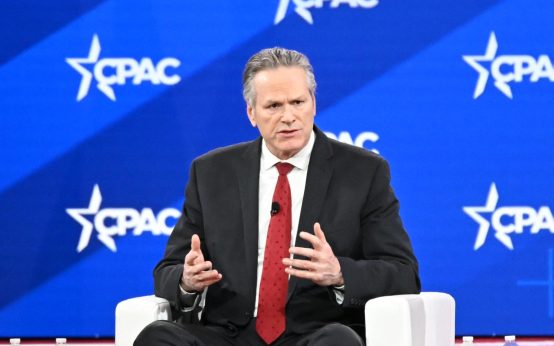 Investigation Into Alaska’s U.S. Senate Campaign Recruitment
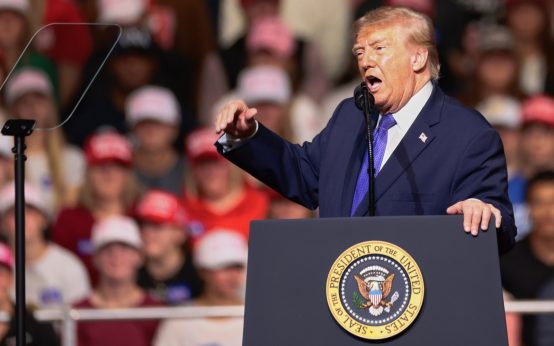 Trump Cancels Kansas Rally Amid Senate Race Heat
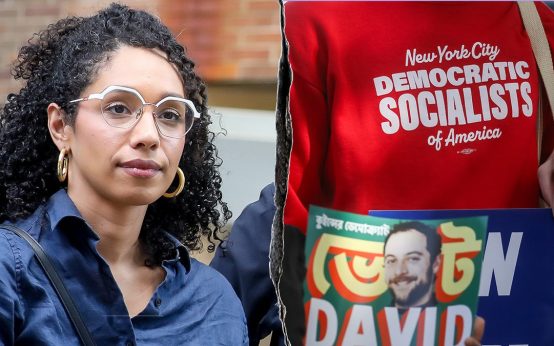 Possible Congressional Maneuver Against DSA Members
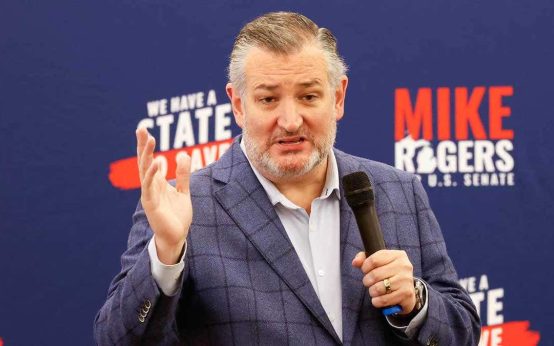 Sen. Ted Cruz Warns of Far-Left Shift if Abdul El-Sayed Wins Senate Race
 Gov. Hochul Addresses Wage Freeze Amid Job Losses