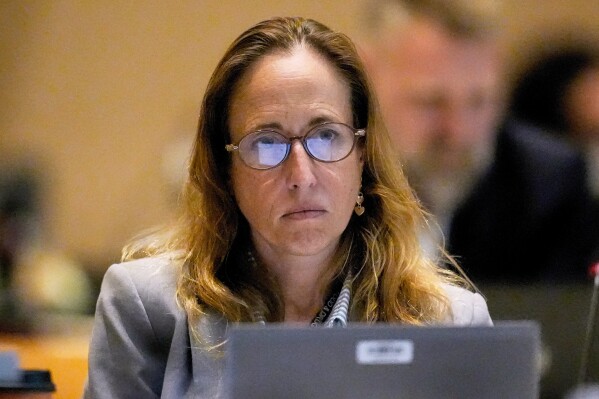
The Trump administration removed the two leaders of a key health group that decides when insurance providers must offer free preventive care such as mammograms and colonoscopies. Health Secretary Robert F. Kennedy Jr. informed the doctors on May 11 that their service on the U.S. Preventive Services Task Force was ending immediately, despite their multiyear terms.
Over the past year, the Department of Health and Human Services (HHS) diminished the role of the task force by delaying public meetings, leaving many updates on critical health screenings pending. The task force, established in the 1980s, comprises experts who assess the latest research on disease prevention, including depression screenings and the use of statins for heart attack prevention. They assign letter grades to guidelines based on the strength of evidence. Under the Affordable Care Act, preventive services with an “A” or “B” grade must be covered by most insurance plans without a co-pay.
In the dismissal letters, Kennedy acknowledged the contributions of Drs. John Wong and Esa Davis, but did not specify reasons for their removal. He encouraged them to apply again and stated that the decision was part of reviewing task force appointments to ensure proper oversight.
An HHS spokesperson did not answer questions regarding the dismissals.
Kennedy explained to lawmakers his intention to reform the task force, which he deemed “lackadaisical,” aiming for more frequent meetings and increased transparency. The task force traditionally holds public meetings and allows public input on draft guidelines before finalizing them, providing evidence to support their decisions.
Health advocates express concern that Kennedy might replace the panel with less qualified political appointees, as occurred with a critical vaccine advisory committee. Task force work, such as finalizing cervical cancer screening guidelines and updating recommendations on maternal depression, was impeded throughout the past year, according to former chairman Dr. Michael Silverstein.
“This level of government interference in scientific processes is unprecedented in my 10 years on the task force,” Silverstein commented.
Task force memberships have staggered terms, allowing new appointments without abrupt changes, stated Aaron Carroll of the nonpartisan health policy group AcademyHealth.
This article is supported by the Howard Hughes Medical Institute’s Department of Science Education and the Robert Wood Johnson Foundation, though Associated Press maintains sole responsibility for content.
 FDA Issues Highest Risk Warning for Recalled Berry Products Due to E. coli Contamination
  Study Finds High Levels of Plastic in Bottled Water and Suggests Safer Alternatives
  Workplace Violence Sparks Strikes by Healthcare Workers
  Escalating Ebola Crisis in Congo: Over 5,000 Cases Reported
  Dementia Risk Affected by Type of Physical Activity, Study Finds
  Deadlifts and Brain Health: Exploring the Best Exercises for Cognitive Protection