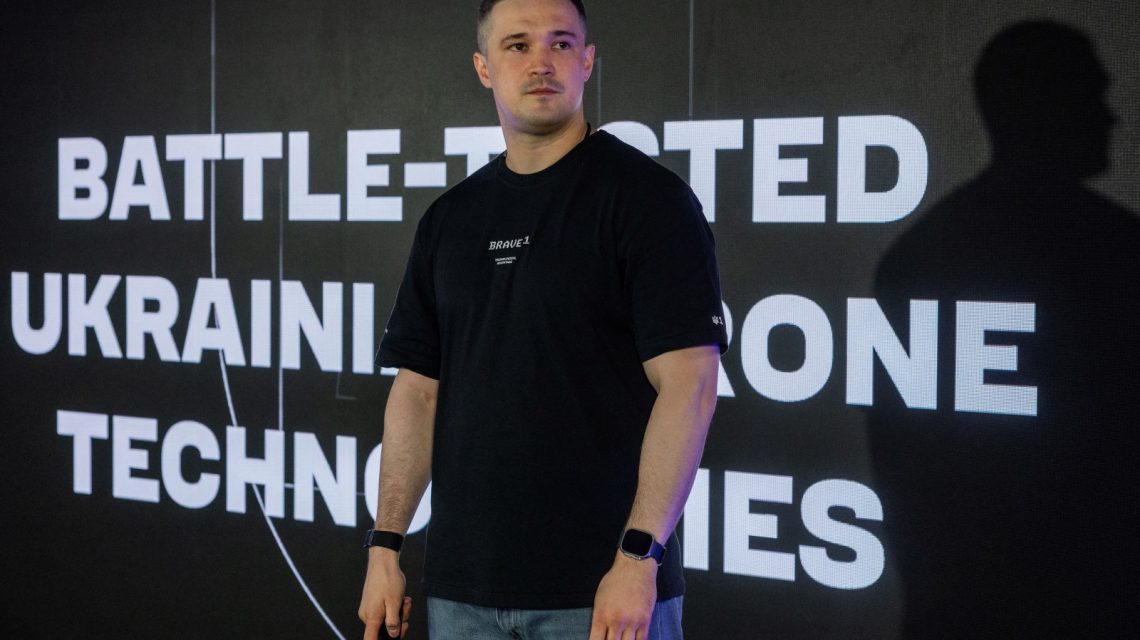
Volodymyr Zelensky is facing a challenging week. Anti-corruption officials recently raided the office of Iryna Mudra, his deputy presidential chief of staff, alongside another senior lawmaker. This incident came shortly after a former minister, whom Zelensky removed in July, called publicly for new elections. This is despite Ukraine being under martial law.
In a YouTube address, the former defense minister, Mykhailo Fedorov, declared that democracy should not be seen as a ‘peacetime luxury’. He criticized widespread corruption in Kyiv and urged for a ‘legal, safe, and realistic’ solution to hold elections. The absence of a direct mention of Zelensky did not lessen the impact; the message was a clear challenge to his administration.
“Democracy is not a peacetime luxury,” he said.
However, Fedorov’s call for elections might be premature. The Kyiv International Institute of Sociology polled the public and found the majority oppose elections during ongoing hostilities. Only 15% of respondents support elections amid war. In contrast, 57% want elections postponed until after a peace agreement. Another 23% back elections only after a ceasefire is paired with ‘reliable security guarantees’.
This opposition isn’t merely due to loyalty to Zelensky. Among those who completely distrust him, 50% still prefer waiting for a ceasefire or peace agreement. Only 44% support elections during hostilities. Fedorov’s proposition currently lacks broad support, given the legal framework that allows election postponement under martial law.
Orysia Lutsevych, from the Ukraine Forum at Chatham House, expressed skepticism about Fedorov’s election proposal. According to her, it might be a tactic to pressure Zelensky through public sentiment.
“It’s to put pressure on Zelensky … create this kind of constraint through public pressure,” she noted.
Fedorov, despite his short career, has been influential in Ukraine’s political and military landscape. As a digital minister, he was instrumental in digitizing public services, advancing Ukraine’s drone technology, modernizing the defense industry, and ensuring the continuity of government services during the war. His removal from the Defense Ministry caused a significant public reaction, representing a drive towards faster, more efficient governance.
Ukraine’s potential EU membership pushes the anti-corruption agenda further. A June survey by pollster SOCIS showed strong support for joining the EU. Yet, there’s more work to do to meet the EU’s expectations. Fedorov argues for political change ahead of accession.
Despite Fedorov’s intentions, many Western partners oppose wartime elections. Lutsevych suggests that Fedorov seeks reforms without elections, which he must know are legally impossible while the war persists.
Another significant figure is Valery Zaluzhnyi, the former commander-in-chief of Ukraine’s armed forces and now ambassador to the UK. Some believe he could challenge Zelensky in future elections. Yet, despite the rift with Zelensky, Zaluzhnyi focuses on his ambassadorial role and avoids domestic political rivalry during the conflict.
Zaluzhnyi’s stance underscores a broader reluctance. Despite differing opinions on Zelensky’s leadership, most Ukrainians seem to agree that a presidential election is not a priority while facing the current challenges of war.
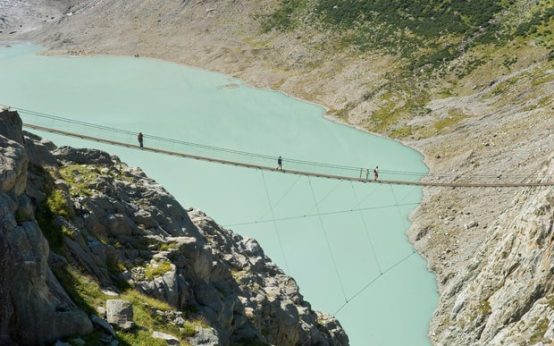 Bodies of Belgian Climbers Found in Swiss Alps After 34 Years
  Israel’s Military Investigates Attacks on Palestinians in Gaza
 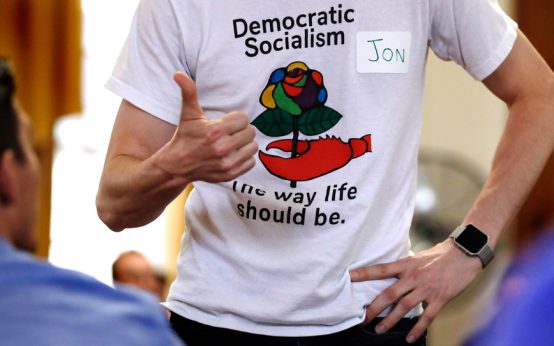 Democratic Socialists of America Platform and Its Political Implications
 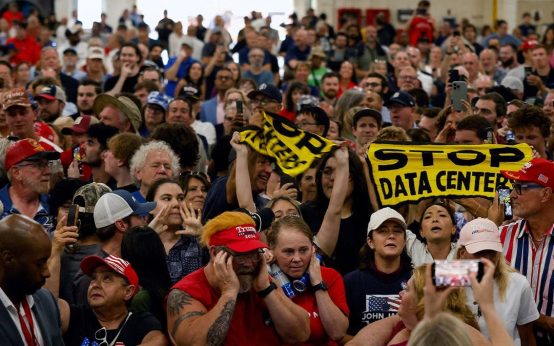 Gov Abbott Defends Data Center Pause Amidst Criticism
  King Charles Faces Criticism for Religious Stance
  Reevaluating Federal Policies for Homeless with Mental Illness