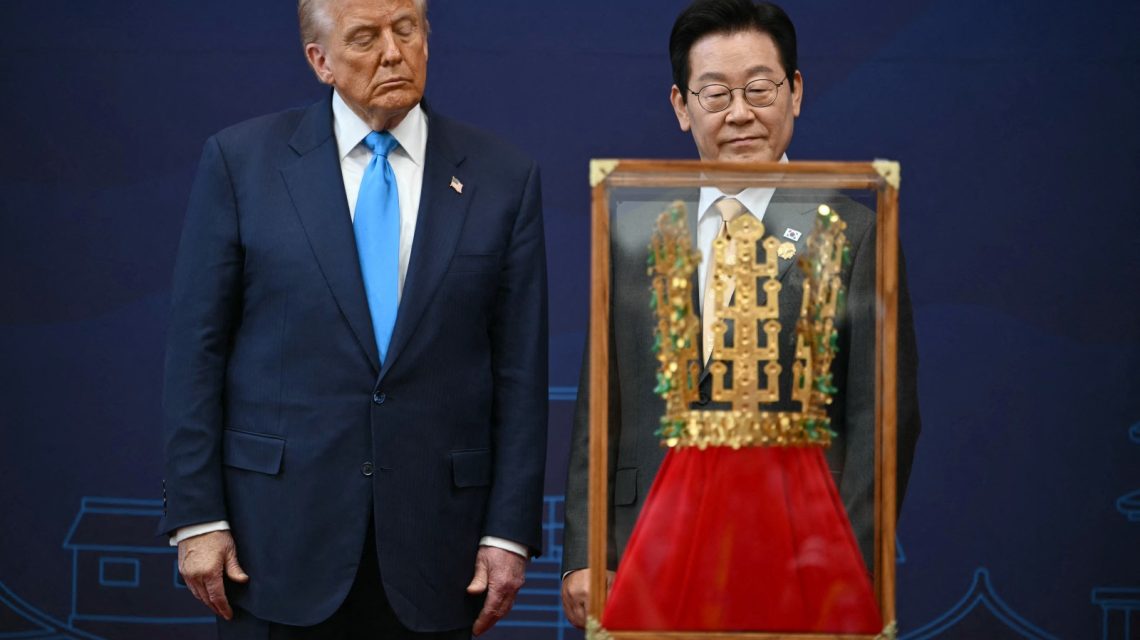
As the chief U.S. negotiator for the U.S.-Korea Free Trade Agreement (KORUS), I saw firsthand that strong partnerships are defined by how disagreements are handled. Trust, pragmatism, creativity, and shared interests are essential.
KORUS negotiations faced challenges, particularly with sensitive topics like agriculture, automobiles, and pharmaceuticals. The most contentious issue was gaining U.S. access to Korea’s beef market. While KORUS managed to reduce Korea’s high beef tariffs, the complete reopening of the market under certain conditions remained a heated topic.
After mad cow disease was detected in the U.S. in 2003, Korea, like many countries, halted U.S. beef imports. Korea’s 2008 agreement to reopen its market led to weeks of large protests in Seoul. Initially, this seemed as if it would damage the U.S.-Korea economic relationship permanently. However, continuous negotiations led to additional safeguards, eventually reopening the market.
By 2021, Korea became the largest international market for American beef by value, turning a contentious issue into a success. This change resulted from both sides addressing concerns and keeping the dialogue open rather than ignoring the issue.
Today, U.S. concerns about some restrictive Korean trade practices risk defining the bilateral relationship again. It’s crucial for both countries to collaborate closely, especially with ongoing global challenges like conflicts, trade weaponization, and technology competition.
Further tests came in 2017 and 2018 when the U.S. pushed for KORUS revisions. Despite political pressures and intense debates, both governments agreed on amendments addressing U.S. automotive concerns. This preserved the agreement, bringing the updates into effect in 2019. KORUS committees continue to address industry issues, including agriculture, customs, and technology.
Each dispute should be evaluated carefully and discussed openly. Korea hosts 28,500 U.S. troops, critical for strategic considerations. Moreover, Korean investment in the U.S. exceeded $90 billion by 2024, doubling in a decade. These investments advance American supply chains and create jobs.
Examples include Korea Zinc’s planned $6.6 billion smelter in Tennessee for critical minerals and Hyundai Steel’s $5.8 billion steel mill in Louisiana. These projects are pivotal in enhancing U.S. industrial capabilities.
The next phase of U.S.-Korea ties could significantly impact both nations. The U.S. aims to rejuvenate key industries, with Korea offering the expertise and capacity needed. Cooperation in shipbuilding, semiconductors, energy, critical minerals, and advanced technology holds promise for both sides. Achieving these goals requires enduring political backing.
The lesson from the beef dispute is clear: controversies should not overshadow the potential for a robust partnership. Through engagement and creative solutions, the U.S. and Korea have addressed complex challenges before and can do so again.
Wendy Cutler is Senior Vice President at the Asia Society Policy Institute and former chief U.S. negotiator for the U.S.–Korea Free Trade Agreement. The opinions expressed here are her own.
 Court Rules Against Third-Country Deportation Policy
  Trump Administration Bars News Networks from White House
  Lawsuit Filed Over Preeclampsia Death in Texas Amid Abortion Ban Controversy
  Cook County’s Loan Program Assists Suburban Agencies Amid Property Tax Delays
  Freddy Cazares: Navigating the Limbo of Immigration Detainment and Uncertain Release
  Concerns Over Political Influence in Academia