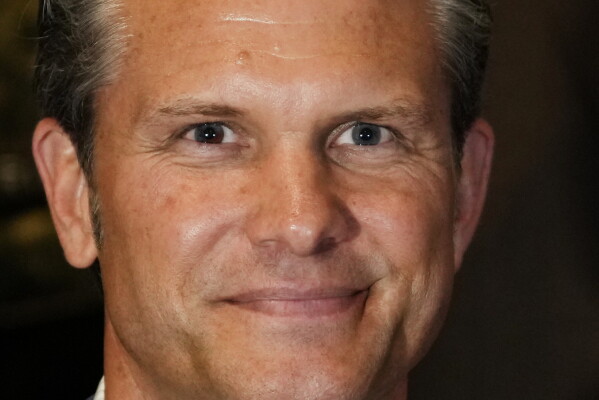
The arrival of substantial aid from regional allies marked a critical moment in Colombia on Wednesday. As searches for survivors intensified amidst the ruins left by a devastating earthquake, efforts grew increasingly urgent. The seismic disaster toppled buildings, damaged roads, and crushed vehicles, challenging Colombia’s new president, Abelardo de la Espriella, and his administration, as well as civil society aiming to support the hardest-hit communities.
President de la Espriella provided an update on Wednesday evening, confirming the earthquake had resulted in at least 265 fatalities. The quake was recorded at a magnitude of 7.4 and struck the west of the country on Monday. He noted nearly 500 individuals were reported missing, although civilian reports indicated the figure surpassed 4,100. Over 25,800 families experienced the impact of the disaster.
“Our efforts are focused on the disappeared,” de la Espriella stated during a press briefing in Bogotá, the capital.
In locations severely affected such as Cali, Pereira, Manizales, and Quibdo, teams continued rummaging through debris, racing against time to locate and rescue victims while they still had a chance of survival. Rescue professionals emphasize that the initial 48 to 72 hours post-disaster are critical for finding survivors, a timeframe which can extend if trapped individuals have access to essential supplies like food and water.
On Wednesday afternoon, Cali’s mayor, Alejandro Eder, addressed reporters, highlighting ongoing discoveries of signs pointing to living individuals beneath the debris. Eder underlined the urgency of the situation.
“The next 20 hours are the most critical to find and rescue people alive,” he said. “Every minute is vital.”
Survival and Hardship in High-Impact Zones
In Pereira, Daniela Largo was rescued alive from the rubble late Tuesday after a complex 12-hour operation. During the extraction, rescuers worked painstakingly to free her pinned arm, administering IV fluids for stabilization. The young woman’s transfer to an ambulance, wrapped in a blue blanket, witnessed embraces among firefighters and cheers from spectators.
In contrast, a moment of sorrow overtook the city as a man was recovered from a building yet was lifeless, covered by a white blanket. Throughout coffee-growing regions heavily impacted by the temblor, venues like sports arenas and schools have been converted into shelters for displaced residents, offering refuge to the uprooted populace.
Ebert Jonathan Morales, a resident of Cali, lamented profound losses suffered by his family.
“My house was completely destroyed. We can’t live there,” Morales said. “It collapsed. The floor collapsed, the walls cracked. The roof came down.”
In both Pereira and Cali, parks have turned into temporary havens, where families sleep amidst fears of aftershocks or absent homes. Since the earthquake, Colombia’s geological service has recorded 130 aftershocks. Edith Penagos, residing temporarily under canvas, expressed relief at receiving vital survival basics.
“We have the most important things: a roof over our heads, food, water and, in my case, medical care,” said the 48-year-old, who was staying with her teenage son.
Rodrigo León Loya, a University of the Andes seismologist and geosciences professor, discussed the likelihood of future seismic activity, citing the active fault lines throughout Colombia. Although a repeat earthquake of similar magnitude in the same vicinity isn’t significantly probable, he warned against dismissing future seismic occurrences.
“Let’s remember that Colombia is full of active fault lines,” León Loya remarked. “The question isn’t whether it can happen again. The question is rather when an earthquake of similar magnitude will occur at another of Colombia’s seismic sources.”
Humanitarian Relief Efforts
In Choco, the epicenter of the earthquake, the official disaster response remains complicated amidst poverty and prolonged civil conflict, exacerbating forced displacements over decades. Due to lost cell service and remote access points limited to river routes, the real impact in northwestern jungle areas remains unclear.
“This earthquake compounds an already severe humanitarian situation, and there is a need for increased support for the humanitarian response,” Giovanni Rizzo, the Colombia director for the Norwegian Refugee Council, claimed.
Numerous aid entities had already been active in Choco due to activities supporting the 2016 peace agreement between the government and leftist insurgents, alongside countering ongoing violence from other armed factions. These humanitarian teams swiftly adapted strategies toward disaster relief, conveyed María José Torres, the U.N.’s Colombia representative.
“We have a presence on the ground. Therefore, our ability to be there, present with the people, I think, has increased exponentially,” Torres stated.
Global Pledges of Assistance
Meanwhile, international aid from governments and organizations poured into the country. Disaster response teams organized by the U.S. State Department reached Colombia starting Monday, with the United States offering over $15 million in aid. Mexico dispatched two military jets with 19.5 tons of non-perishable food items and 19 military personnel to Pereira, planning additional shipments totaling 39 tons soon. An additional 255 military experts and 20 search-and-rescue dogs stand ready to deploy if necessary.
Salvadoran President Nayib Bukele pledged two aircraft loaded with 100 tons of aid.
Pope Leo XIV extended gratitude towards contributors aiding rehabilitation efforts, stating prayers for those affected by the disaster.
“I want to express my solidarity with my Colombian sisters and brothers who have suffered the effects of the recent earthquake,” the Pope conveyed.
People find rest in a park amid dwelling uncertainties two days post-earthquake in Pereira.
 Tensions Rise Between U.S. and Ukraine Over Intelligence and Support
  Macron Faces Criticism Amid French Protests
 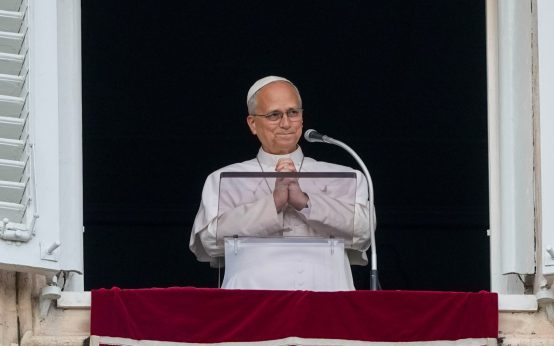 Pope Leo XIV to Gradually Resume Duties After Lung Surgery
 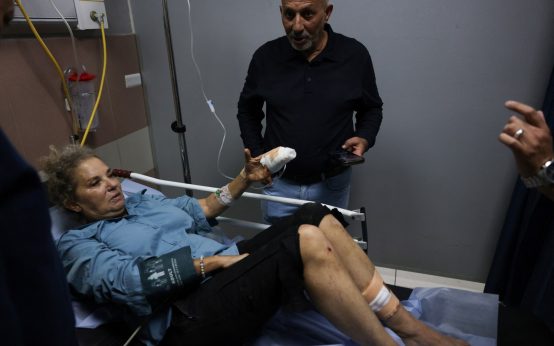 Pressure Mounts on Israel Over Settler Violence
 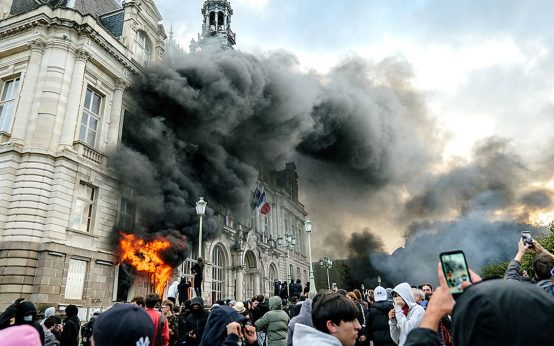 Unrest in France Raises Concerns Over Upcoming NFL Game
 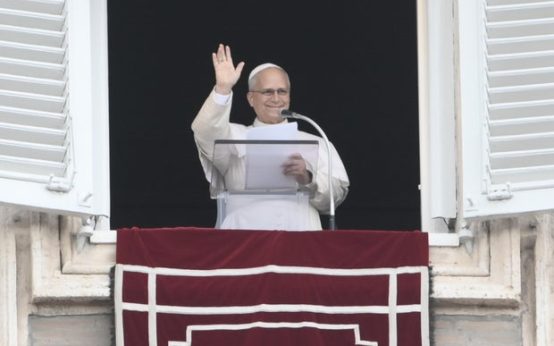 Pope Leo XIV Addressed Faithful After Surgery: A Health Update