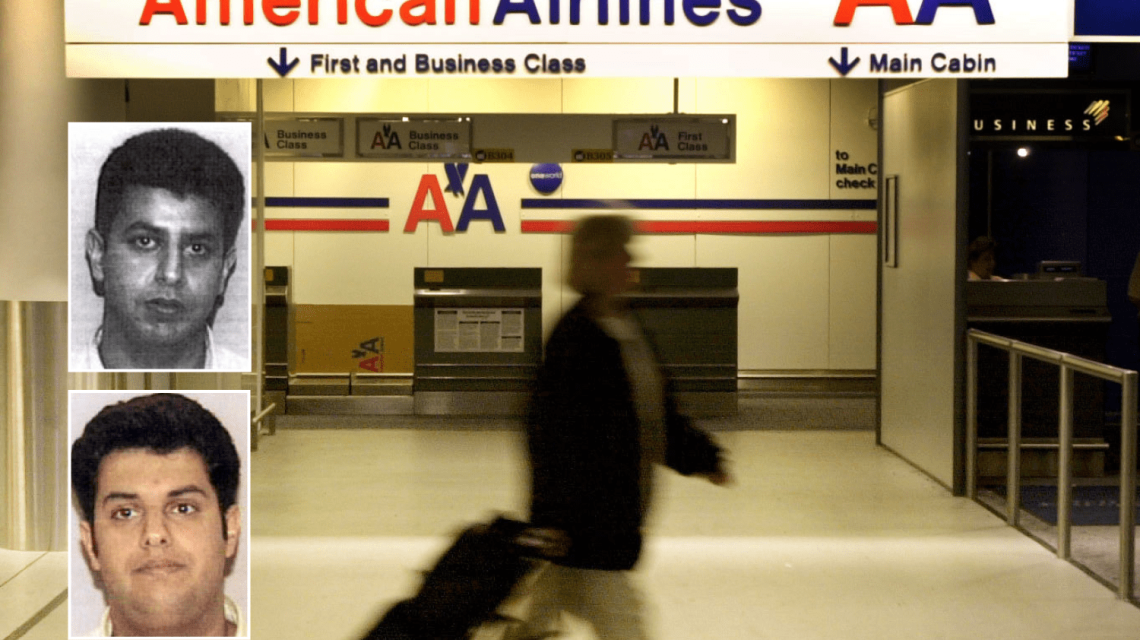
In this series, Newsweek traces the events leading up to 9/11, presenting a detailed account of occurrences 25 years ago. Recent developments have revealed significant details about the plans for the attack scheduled for September 11, 2001.
Setting the Date
On August 25, 2001, Mohammed Atta, a key figure in the 9/11 attacks, took a critical step in finalizing the operation’s timing. At 2:12 p.m., he accessed his Travelocity account to book flights from Washington Dulles International Airport and Boston Logan Airport to Los Angeles, all with departure times around 8:00 a.m. on September 11.
Atta selected that day for strategic reasons. First, it followed Labor Day, ensuring maximum workforce presence, including the George W. Bush administration. Second, it was a Tuesday, chosen because air travel tends to be lighter, thus reducing potential opposition from passengers.
Final Preparations
At 2:43 p.m., Atta solidified his plan. He created an American Airlines “AAdvantage” account, securing a business class ticket on American Airlines Flight 11 from Boston, scheduled to leave at 7:45 a.m. Using his VISA card, Atta later confirmed and paid for his and A. al-Omari’s flights, a step coordinated with other hijacker pilots involved in the operation planned for September 11.
The same sequence of events continued on August 26. Saudi brothers Waleed and Wail al-Shehri booked their tickets for the same flight. Wail used a debit card for a phone purchase, while Waleed completed his purchase online. Having arrived in the U.S. in April 2001, they joined Atta’s unit along with two other Saudi nationals, Abdulaziz al-Omari (A. al-Omari on the flight manifest) and Satam al-Suqami.
Details on Flight Reservations
The seat assignments disclosed the attackers’ planned distribution. The al-Shehri brothers were in first class, occupying seats 2A and 2B. Al-Omari and Satam al-Suqami were placed in business class, with seats 8G and 10B respectively. Mohammed Atta sat nearby in seat 8D.
Security Conditions
At the time, intelligence services had no direct mechanism to detect domestic flight reservations. No members of the hijacking team were flagged on watchlists, given the domestic nature of their flight bookings. Responsibility for preventing potential hijackers lay primarily with airport check-in staff, security screeners, and gate attendants.
 The Cost of Challenging Beijing
  Tensions Escalate in Iran Conflict as Global Leaders Weigh Options
  White House Approves F-35 Sales to Saudi Arabia Amidst Regional Tensions
  Inside the Secret Deals Powering the President’s Push to Deport Migrants to Countries Not Their Own
  Navigating the Challenges of Third-Country Deportations
 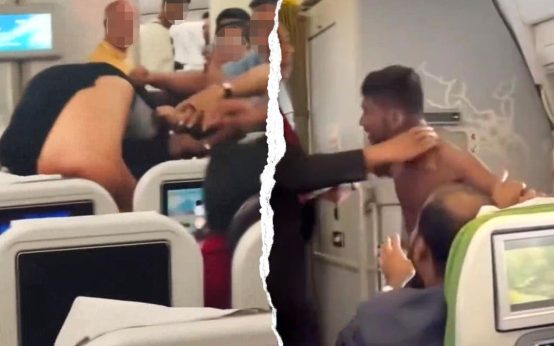 Midair Altercation on Bangladesh to London Flight