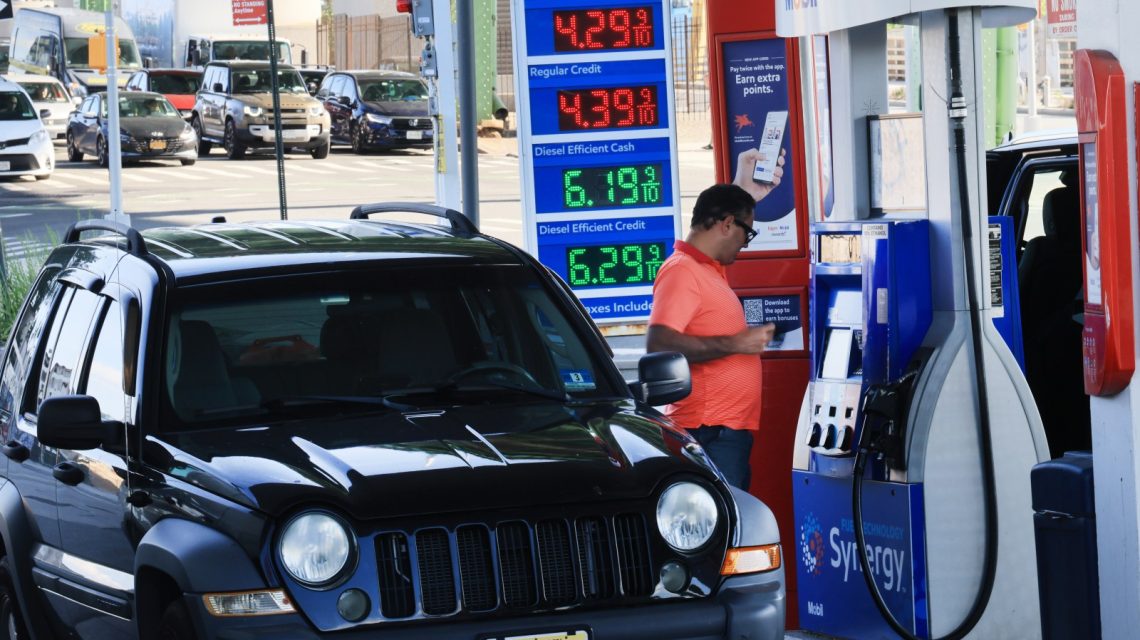
Drivers worldwide are experiencing a surge in gas prices, with the average cost reaching $5.89 per gallon. This marks a substantial increase from late February, when prices averaged around $4.92 per gallon globally.
The Impact of Middle East Conflict
The recent conflict involving Iran, coupled with joint strikes from the U.S. and Israel, has disrupted energy markets. Global energy prices have been affected as a result.
As of February 23, gas prices averaged $2.98 per gallon in the United States. By Thursday, the national average had risen to $4.28 per gallon, as reported by the American Automobile Association (AAA). This equates to a $1.30 per gallon increase in less than a month.
Financial Burden and Consumer Impact
American consumers face a significant financial burden due to escalating fuel costs. Patrick De Haan, head of petroleum analysis at GasBuddy, estimates that Americans are spending an additional $377 million daily due to higher prices. He noted the total surcharge amounts to $4.63 billion each week.
Even the typical seasonal drop seen in fall is uncertain due to ongoing conflicts in Ukraine and Iran. Despite these challenges, U.S. prices remain $1.61 below the global average, offering some relief.
Cost Variation Across Countries
Fuel prices have risen worldwide. The closure of the Strait of Hormuz, a crucial route for oil and gas supply, has exacerbated the situation.
The cheapest places for gas are major oil producers or have heavily subsidized markets. Libya reports the lowest prices at $0.09 per gallon, followed by Iran, Venezuela, Angola, and Kuwait. These low prices result from government intervention, subsidies, and domestic production.
Conversely, Hong Kong has the highest prices, with $15.892 per gallon. Other high-cost countries include Malawi, Norway, Denmark, and the Netherlands, where taxes elevate pump prices above the global average.
Market Reaction to War
Australia witnessed the sharpest increase in gas prices during the initial conflict month, rising by 42%. Other affected countries included Sri Lanka, the United States, Canada, and Pakistan, all experiencing significant hikes. These markets closely react to shifts in global crude prices.
Meanwhile, countries such as Saudi Arabia, Kuwait, Oman, Bahrain, India, and Bangladesh maintain stable prices due to regulated or subsidized markets, insulating them from short-term global price spikes.
Future Price Trends
The future of gas prices depends on whether tensions in the Middle East, particularly around the Strait of Hormuz, will ease. The ongoing exchange of strikes between the U.S. and Iran means a resolution is unlikely in the near term.
Denton Cinquegrana, Oil Price Information Service’s chief oil analyst, suggests the situation won’t normalize quickly. Even if the strait reopens, a gradual return to normal oil flows is expected.
Despite speculative statements about post-election drops by President Donald Trump, De Haan maintains a cautious outlook. Seasonal demand decreases and adjustments to winter gas formulations may offer slight relief, but escalations in U.S.-Iran tensions and Ukraine-Russia conflicts pose ongoing risks.
For further insights, Newsweek engaged editors Ben Kelly and Shakeema Edwards on this developing story.
 Midair Altercation on Bangladesh to London Flight
 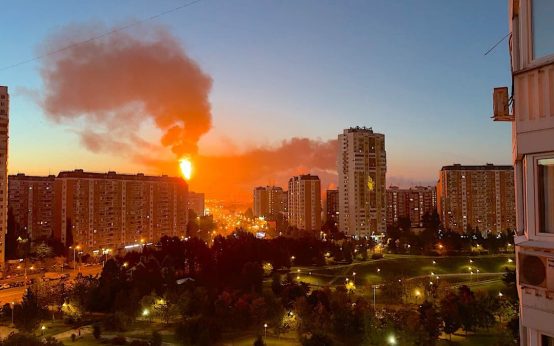 Ukraine Missile and Drone Barrage Hits Russia Amidst Elections
  U.S. Strategic Goals Remain Unmet Amid Prolonged Conflict
  New Photos Reveal Damage from Iranian Strikes in the Middle East
  Assassin of Chilean Diplomat Orlando Letelier Faces Deportation 50 Years After Assassination
  Gorillaz and Macklemore Respond to Controversy Over Israel-Palestine Statements