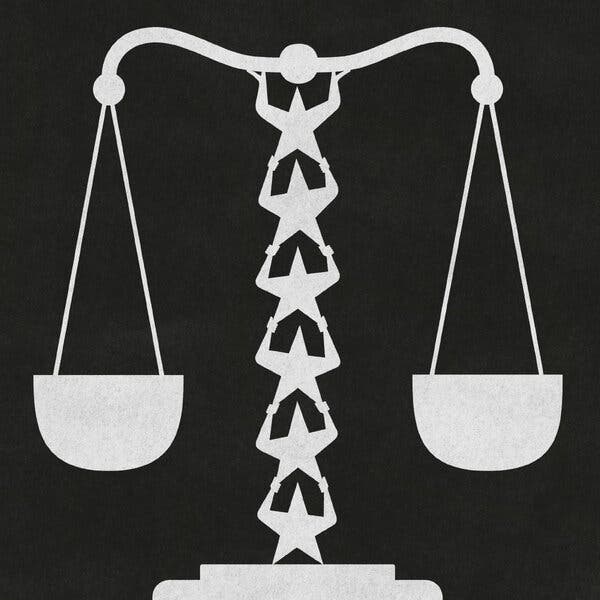
President Trump recently granted another pardon, this time to Stephen Buyer, a former congressman from Indiana convicted of insider trading in 2023. There is concern over the numerous wealthy and well-connected individuals receiving pardons, often after substantial financial support for Trump’s re-election campaign or through lobbying efforts.
Many perceive that Trump’s connections may receive preferential treatment, leading to questions about the fairness of his pardon power. Although a federal pardon seems final due to its discretionary nature, states have a pathway to address these concerns. They can pursue charges as long as the actions contravene state law, unaffected by federal pardons.
A notable example is Joseph Schwartz, who in 2024 admitted to federal tax crimes linked to a fraudulent nursing home operation. Following a pardon from Trump, the Arkansas attorney general, Tim Griffin, required Schwartz to serve time in state prison under state convictions and to pay over $1 million in restitution and fees.
Schwartz’s business activities extended beyond Arkansas, indicating a need for accountability in other states. Similarly, Trevor Milton, convicted in 2022 of investor fraud in his electric truck company, Nikola, received a pardon in 2025. His company’s Arizona base suggests the potential for state fraud prosecutions, possibly with assistance from other states.
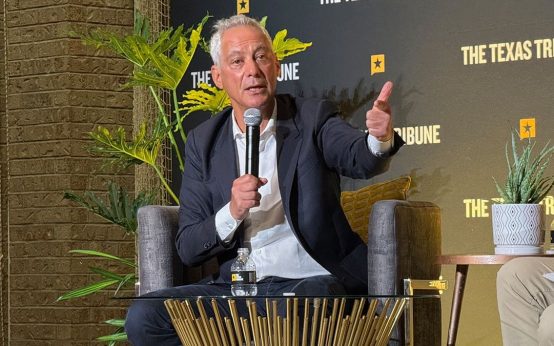 Rahm Emanuel Considers 2028 Presidential Run with Focus on Candor, Authenticity, and Strength
 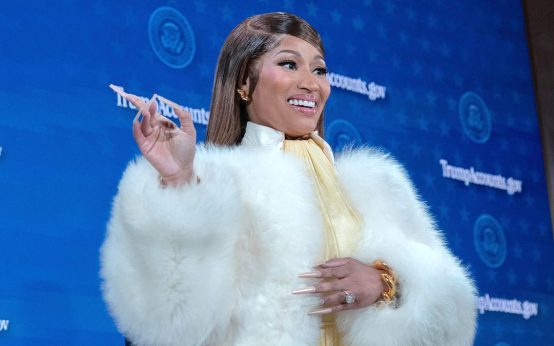 Nicki Minaj’s Political Insights and Support for Trump
 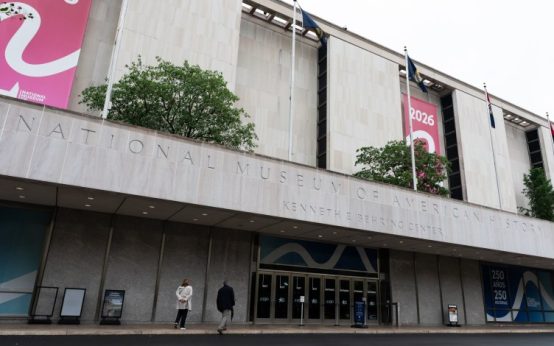 Smithsonian’s History Museum Faces Scrutiny Amid Debates on Ideological Influence
 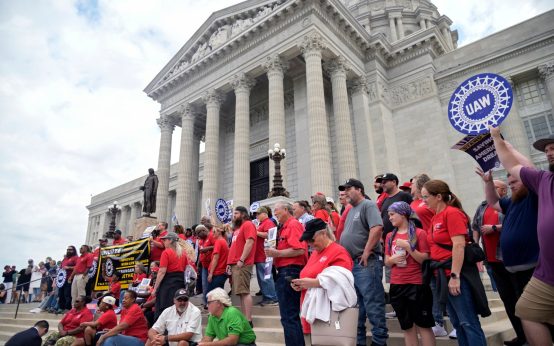 Supreme Court Reaffirms Missouri’s Congressional Districts for Midterm Elections
 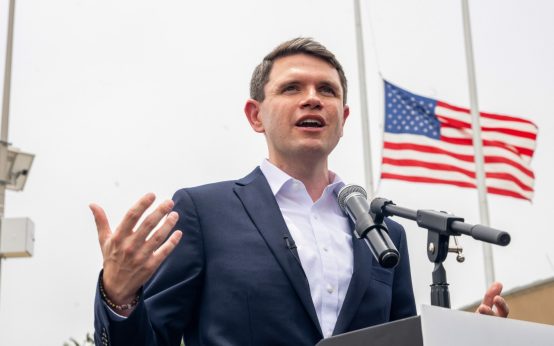 Talarico’s Tight Lead in Texas Senate Race
 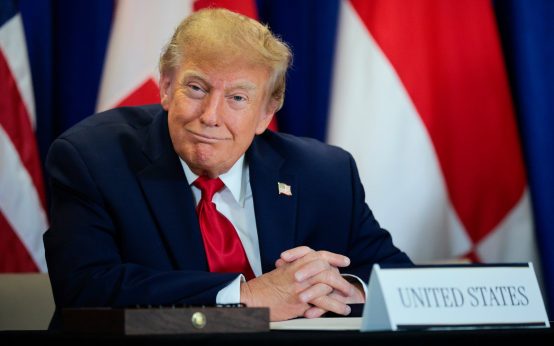 Rep. Steve Cohen Introduces New Impeachment Articles Against Trump