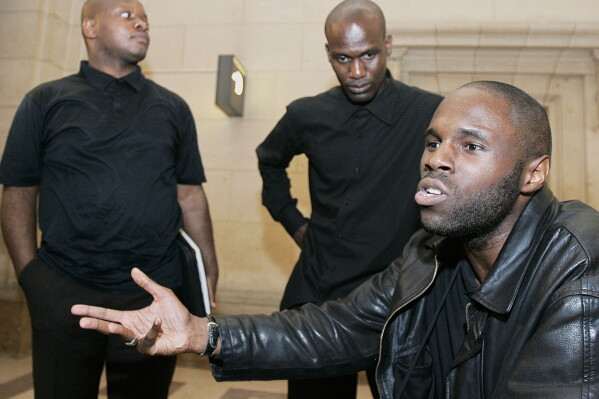
In 1991, Benin experienced a turning point in its political landscape. Democracy arrived with the unexpected electoral defeat of long-time military dictator Mathieu Kérékou. This was a significant shift, especially for the cradle of the Voodoo religion, where Kérékou had actively suppressed traditional practices, fearing their influence.
Democratic Transition and Voodoo’s Revival
Mathieu Kérékou’s loss marked the rise of opposition leader Nicéphore Soglo, who recognized Voodoo as an essential part of Benin’s heritage. He encouraged tolerance, inspiring Kérékou to emulate this approach when he regained power in 1996. Over the years, Benin emerged as a beacon of democracy in West Africa, often considered a region vulnerable to military coups.
President Romuald Wadagni assumed office on May 24, succeeding Patrice Talon, who completed his two-term presidency. Voodoo played a unique role in Benin’s political evolution, opposing Kérékou’s authoritarian approach and reinforcing democracy.
Kérékou and His Complex Religious Struggles
Kérékou’s presidency was marked by a complex relationship with Voodoo and other religions. Initially, as a Marxist-Leninist leader, he sought to diminish Voodoo’s presence, considering it backward. Traditional priests faced detention, and sacred sites were destroyed in urban developments, angering practitioners.
The suppression led to fears among Voodooists of curses that could undermine Kérékou’s power. This pushed him to recruit spiritual advisers and explore different religions. He later converted to Islam and Christianity, strategies seen as attempts to ensure his political survival.
Voodoo’s Role in Cultural Identity
Voodoo, or Vodún, remains an integral part of Benin’s culture. Despite half of Benin’s population identifying as Christian, Vodún is recognized as the foundational religion, deeply connecting its followers to the spirit world through nature.
Activities such as animal sacrifices and incantations mark Voodoo ceremonies, especially in Ouidah, a city central to the religion’s roots. Vodún’s leadership symbolized resilience, particularly against political figures attempting to diminish the religion’s influence.
Throughout his tenure, Kérékou realized he could not fully eradicate deep-rooted Voodoo traditions. This acceptance was evident when he actively sought Voodoo support during subsequent elections, acknowledging the religion’s enduring significance in Benin.
Voodoo’s Global Influence
Voodoo’s cultural impact extends beyond Benin. Notably, enslaved Africans carried Vodún traditions to the Caribbean, contributing to Haiti’s struggle for independence. Despite suppression and stigmatization, Vodún persistently shaped Haiti’s identity, paralleling its influence in Benin.
In both regions, Voodoo continues to be seen as a vital part of life, emphasizing dedication and cultural pride. Voodoo practitioners like Dossavi Yovo remind followers of the importance of commitment to the faith.
This article is part of religious coverage supported by The Associated Press, with collaboration from The Conversation US.
 British Activist Warns of ‘Orwellian’ Society
  NATO’s Commander Warns of Strong Response to Potential Russian Aggression
  Houthis’ Attack on Saudi Airport Sparks Controversy in Wrestling Event
  Trump’s Diesel-Deal Feud with Zelensky Obscures a More Important Effort
  Energy Ceasefire Challenges Amid Russia-Ukraine Tensions
  Trump’s Stance on Energy Prices and Ukraine-Russia Conflict