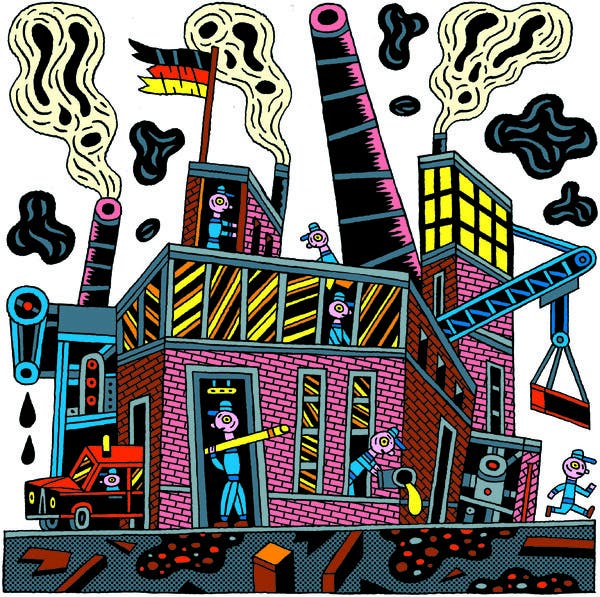
Germany faces significant challenges during Chancellor Friedrich Merz’s leadership, characterized by low approval ratings and an unpopular coalition government. The far-right Alternative for Germany gains popularity amidst public dissatisfaction, nearing a chance at power. The situation worsens as the United States, under President Trump, plans to withdraw troops from Germany, threatening long-standing geopolitical ties. The defining features of political stability, social cohesion, and foreign policy are at risk.
At the root is a deeper issue affecting Germany’s once-renowned economy, historically valued for its efficiency and orderliness. The country has been in recession for three years, and famous companies like Commerzbank announce large-scale layoffs. Even Die Zeit highlights where Germany still functions, indicating severe challenges. The economy’s decline impacts Germany’s identity, previously seen as a model of reliability.
A revival of the economy is possible. Although it may not resolve political concerns or influence President Trump, economic rejuvenation is crucial for overcoming stagnation and restoring the resilience of German businesses. Historical success came when Germany was characterized by high taxes, high wages, and substantial bureaucracy. For decades post-WWII, the economy embodied such excellence, resembling a smoothly functioning machine.
The structured education system provided technically proficient workers, while managers often came from engineering or scientific backgrounds. Banks and insurers held major stakes in top companies, prioritizing long-term over short-term gains. Stable labor relations offered workers security, good wages, and participation in decisions. These components helped Germany maintain technological superiority.
In the 1990s, the American economy surged ahead, powered by Wall Street’s financial strength and Silicon Valley’s entrepreneurial spirit. Seeking new strategies, Germany opened up to foreign capital, with banks and insurers selling their stakes in German companies and focusing on global investors. Under Gerhard Schröder, labor market reforms reduced worker protections to regain competitiveness.
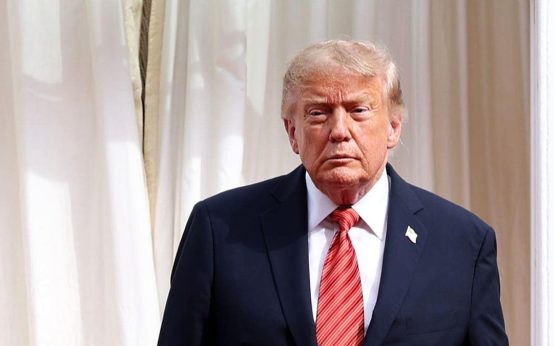 Trump Pressures Republicans on Filibuster Threat
 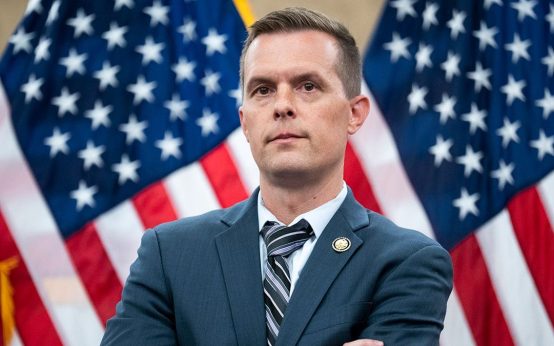 Rep. Golden Endorses Rep. Lawler for Re-election
 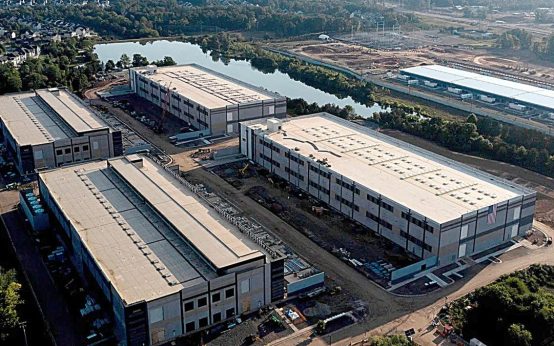 Public Perception and Political Impact of Data Centers
 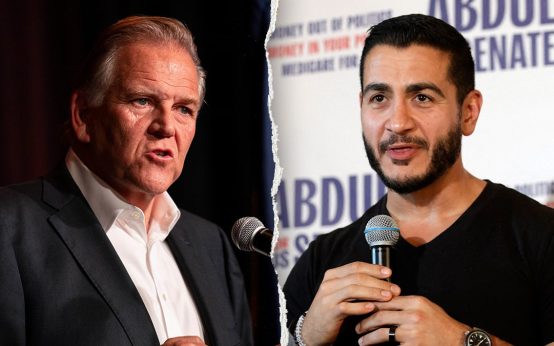 Jewish Democrats in Michigan Shift Support to GOP Candidate in Senate Race
  Google Fined for Breaching EU Privacy Rules
  Mayor Mamdani and President Trump Discuss Major Housing Project in NYC