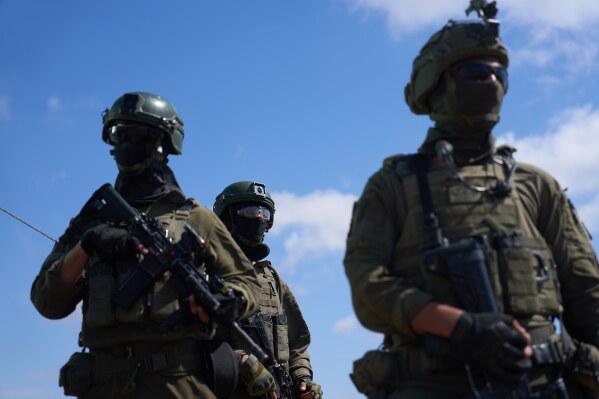
The recent situation in Gaza has become increasingly tense following a fragile ceasefire implemented in October. Israeli combat units have reportedly engaged in frequent confrontations regarding the yellow line that separates Israeli-controlled areas from Palestinian regions.
Military Engagements Intensify
An Israeli reservist described the environment as chaotic, with soldiers generally eager to engage targets near the demarcation line. He claimed that after the ceasefire, the directive became clear: crossing the line resulted in immediate military response.
Israeli forces maintain positions overlooking the yellow line, and as diplomatic talks for reinforcing the ceasefire languish, confusion seems common regarding the rules of engagement.
Commanders and Soldiers Share Perspectives
Three soldiers expressed concerns over command briefings that encouraged a continued military presence. These accounts echo those of a whistleblower group of veterans indicating operational uncertainty and quick decisions in the field.
Shootings of Palestinian civilians, including children, have been reported near the yellow line, questioning the validity of the ceasefire.
Demarcation and Control
Following the ceasefire, Israel supposedly withdrew to a buffer zone marked by the yellow line, yet both sides claim breaches. Israel’s military has clarified that warning markers exist, but their visibility remains inconsistent.
Hamas is said to often engage near the yellow line, testing military readiness. Israel’s military emphasizes that all indications and rules clearly mark the region as a sensitive area.
Operational Decisions on the Ground
Israeli forces have eliminated those crossing the yellow line, often based on rapid assessments. Reports from Breaking the Silence suggest that the engagement rules are permissive, with a stance of lethal action for border crossings.
Commanders equipped troops with orders that prioritize holding the line. This has allegedly influenced the perception that human lives hold lesser value in maintaining security, creating a long-term presence rather than aiming for withdrawal.
Proactive Military Strikes
A report among humanitarian groups revealed that Israeli military actions have become more preemptive. April marked a significant increase in incidents, raising alarm over the ceasefire’s functionality.
Prime Minister Benjamin Netanyahu publicly stated control over 60% of Gaza. The objective appears to be extending dominance, with the ceasefire becoming increasingly tenuous in practice.
The use of the term ceasefire hardly reflects the current reality, according to those present in the area, urging for more sustainable resolutions.
 Jorge Messi, Father of Soccer Star Lionel Messi, Passes Away at 68
  Nigerian Hostage Rescue Unveils Harsh Reality of Captivity Under Jihadists
  Jorge Messi, Father of Lionel Messi, Passes Away at 68
  Russian Attacks on Kiev and Surrounding Area Result in Casualties
  Pro-Israel Students at Odds with Progressive Trends on Campuses and in Politics
  The Impact of USIEA’s Work in Strengthening U.S.-Israel Relations Over 15 Years