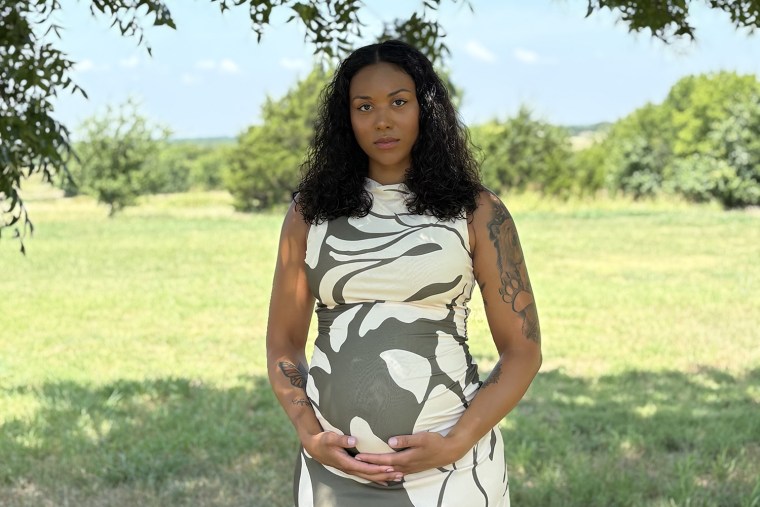
A surrogate, central to a multi-state legal dispute regarding a baby born with a rare heart condition, sought to clarify her motivations in an editorial in the New York Post. McKenna West, a cardiac nurse from Alaska, delivered a baby boy, Rumi, in Texas for Omar Ahmed and Nausheen Gilkar. Rumi underwent surgery for hypoplastic left heart syndrome, a condition requiring lifelong care. West, leveraging her nursing experience, believed the baby had a survival chance with surgery. She wrote, ‘This is about giving an innocent child a shot at the life he deserves.’
A statement from the baby’s intended parents, Gilkar and Ahmed, declined to comment on West’s editorial. The court-appointed Guardian Ad Litem urged both parties to maintain privacy to protect the child’s welfare. Legal tensions arose following a diagnosis during a 20-week scan in April, as per court documents from Alaska. The surrogacy agreement allowed the parents to request an abortion in case of fetal abnormalities, but West, unable to reconcile with that decision, sought custody in Alaska.
West’s refusal to terminate led to threats of legal action from the biological parents. Their counterclaim acknowledged informing West about breaching their contract, later understanding her choice. This disagreement initiated a legal battle across three states. The biological parents filed a case in California to establish parentage after West stopped communication in May. West, meanwhile, filed in Alaska to counter the proceedings.
Court documents revealed that West opted for medical consultations in Texas despite the contracting couple’s preference for a Los Angeles delivery. West’s editorial cited better surgical outcomes at the Texas hospital and personal support as reasons for her choice. West alleged that the parents hesitated to provide essential care, a claim they have denied, emphasizing in Alaska filings their commitment to medical treatment recommended by doctors.
Texas Attorney General Ken Paxton petitioned a court to ensure the baby received necessary medical interventions. A court-appointed guardian was designated to gather all medical information post-birth. The legal proceedings, linked to broader political debates on abortion, have drawn attention, with West feeling the baby requires an advocate for his medical needs. Rumi recently had a Norwood procedure, the first step in addressing his heart ailment. West expressed relief at Rumi’s recovery focus, saying, ‘My focus has always been on protecting this precious baby’s life.’
The surgery, involving significant risks, has a high in-hospital survival rate but poses long-term survival challenges. Dr. Scott Hadland at Mass General Brigham previously highlighted risks and developmental impacts associated with surgeries for HLHS. The complex scenario illustrates broader issues in surrogacy agreements and healthcare decisions surrounding rare medical conditions.
 Former House Speaker Dennis Hastert Passes Away at 84
  Choosing the Best Probiotic Powder for Your Gut Health
 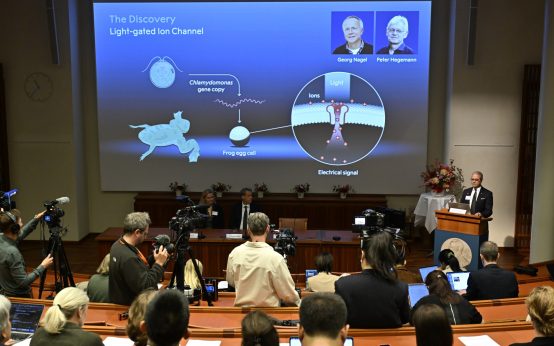 2026 Nobel Prize in Physiology or Medicine Awarded for Optogenetics Research
  Two Killed, Dozens Injured in Georgia Homecoming Party Shooting
  Tragic Loss of a Young Life in Chicago: 7-Year-Old Victim of Fatal Stabbing
  The Cost of Grudges and the Power of Forgiveness