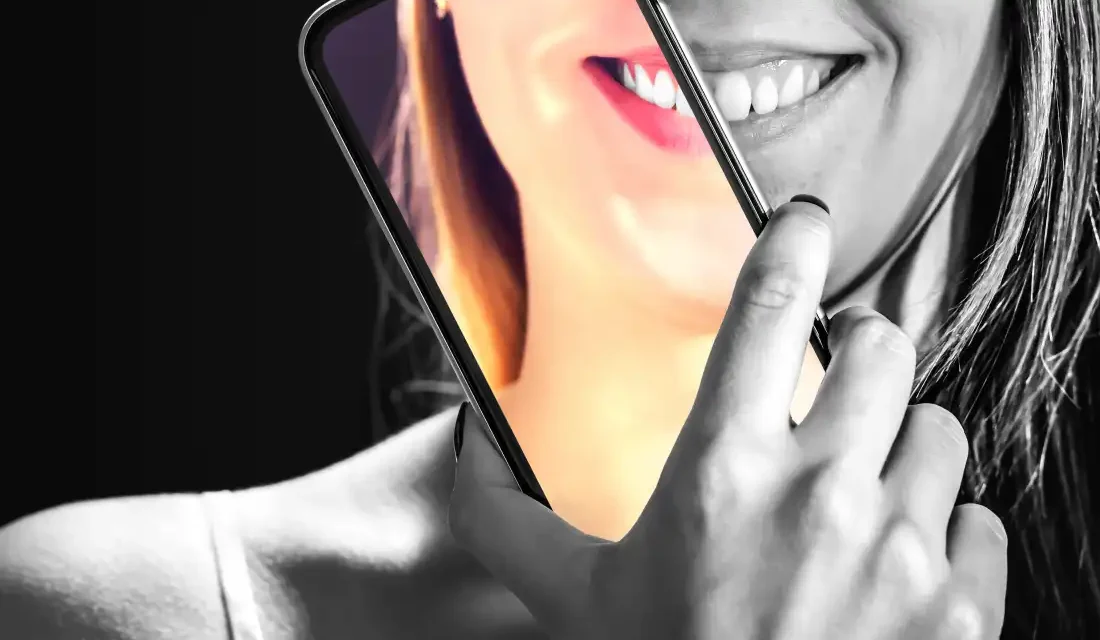
State attorneys general are questioning the extent of beauty filter use for minors on social media after a settlement with Meta. The agreement involves limiting filters that mimic extreme transformations like cosmetic surgery for users under 18. However, state officials must define the boundary between harmless and harmful filter use.
Impact on Youth Body Image
Teenagers face pressure from online beauty standards. These are often driven by trends like ‘Instagram face,’ marked by sharp features and full lips, which can now be simulated instantly with digital filters.
Mia Lerner, a 17-year-old activist from California, shares that using these filters fueled her eating disorder and self-image issues. She supports the new restrictions on beauty filters.
“I’ve even tried to fix my nose with AI,” she said. “My face looks better in photos with filters, but I’m left with my real face in the mirror.”
The Problem with ‘Subtle’ Editing
The Meta settlement from August, involving various U.S. regions, does not ban all filters. Filters transforming users into characters like elves remain available. But filters with subtle effects, such as skin smoothing, also stay.
Lerner points out the issue with minor edits: “When I see subtle edits, it’s easier to compare myself, unlike obvious AI changes.”
Tech Guardrails and Moving Targets
Meta has already acted against cosmetic surgery-promoting filters and involved AI detection to manage beauty filters. However, features attracting users, especially teens, continue to bypass these measures.
Similar challenges exist in other platforms like TikTok and Snapchat. TikTok limits filter access for minors, while Snapchat does not. YouTube lacks its filters, but users upload edited content from other apps.
State attorneys are concluding a period to advise Meta on bannable filters, facing challenges due to evolving beauty standards.
Evolving Beauty Standards
Defining ‘beauty filters’ is complex as standards change. Creative technologist Florencia Solari notes that trends shift, impacting perceptions. Once popular ‘Instagram face’ is becoming outdated.
Solari explains that trends now emphasize extreme thinness, leading to new filter demands. Lawmakers must adapt definitions over time.
Technological Changes
As technology advances, filters could become obsolete. According to Kelly Frasier, co-author of a study on social media’s effects, lawmakers should focus on broader AI regulations for minors, given potential for AI-crafted fake environments.
Legal and Regional Challenges
Diverse opinions within the U.S. may complicate defining ‘cosmetic procedure filters.’ David Greene from the Electronic Frontier Foundation questions the consensus among states.
Internationally, Europe looks to broader measures. The proposed KIDS Act includes strict bans on beauty filters for minors across the region.
Teens Want to Be Heard
Meta intends to implement filter bans early next year. Teens like Lerner urge inclusion in these discussions, suggesting that their real-time perspectives are often overlooked.
Meta claims collaboration with teens in past years but did not confirm current engagements with young users.
 Parker McCollum’s Love for the Outdoors and Family
 Detecting and Avoiding Social Security Email Scams
 Pentagon Confirms Deployment of US Space Weapons as UK Develops Space Cleanup Technology
 Indiana University Northwest Students Develop Tree Cataloging App