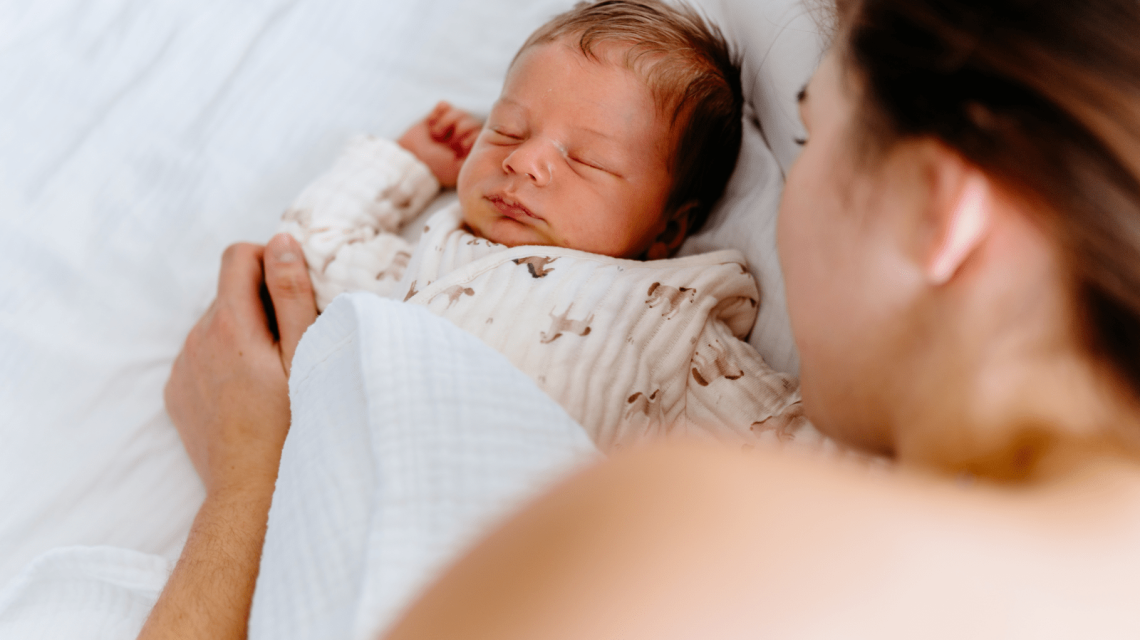
A mother recently shared her experience with postpartum care practices that deviate from modern Western norms. Chantal Wijbrandi, 38, from the Netherlands, discussed her approach with Newsweek, emphasizing traditions that focus on the mother’s recovery after childbirth.
Following the birth of her second child, some of her practices included:
- Remaining in bed for two weeks
- Avoiding leaving the house for 40 days
- Eating only warm, cooked meals
- Receiving regular massages and support from family and friends
She also engaged in belly binding and herbal sitz baths while prioritizing rest, nourishment, and community. Wijbrandi, who has two young children, delved into these traditions after facing a challenging first postpartum period. Her journey into postpartum practices included becoming a Holistic Postpartum Practitioner.
“After my first birth and difficult isolated postpartum experience, I explored postpartum culture worldwide,” she said. “I learned that many traditional cultures emphasize similar practices like extended rest and nourishment.”
She highlighted traditions like China’s “sitting the month,” Latin America’s la cuarentena, and South Africa’s Zulu umsamo, finding that her earlier experience lacked the support she needed. Wijbrandi noted that her first postpartum period was marked by isolation and a misplaced belief in independence.
“I believed that being independent made me a good mom, but I ended up feeling alone and overwhelmed,” she explained. Determined to change this during her second pregnancy, she intentionally prepared for a peaceful and nurturing postpartum period.
Wijbrandi described a key difference between traditional and modern practices: the focus on the mother. “Traditional cultures center the mother, while modern culture often centers the baby,” she said. In Western societies, after the birth, a new mother can feel abandoned as people return to their routines.
Through her Instagram platform @becomingthismama, Wijbrandi emphasized practices that made a significant impact, particularly rest, nourishment, and community. Taking a slow approach in the initial 40 days positively influenced her physical recovery.
“I learned to ask for specific support from my family and friends. I encouraged them to bring us food and keep me company,” she shared. “I felt supported and cared for.”
For those doubtful about such practices, she suggested reassessing the perception of seeking support. “Question why being supported and cared for feels overwhelming after pregnancy,” she urged. “You should demand it, as it’s your birth right and a fundamental need.”
 Artist Speaks Out on Rare Condition Impacting Her Career
  Mindfulness: Manage Stress by Embracing the Present
  Missouri’s Abortion Policy: Conflicting Amendments and Voter Decisions
  The Impact of Extended Job Searches on Mental Health
  Philanthropic Shift Towards Supporting Women in Midlife
  Measles Exposure in Philadelphia Raises Health Concerns