Department of Justice and Intelligence Findings
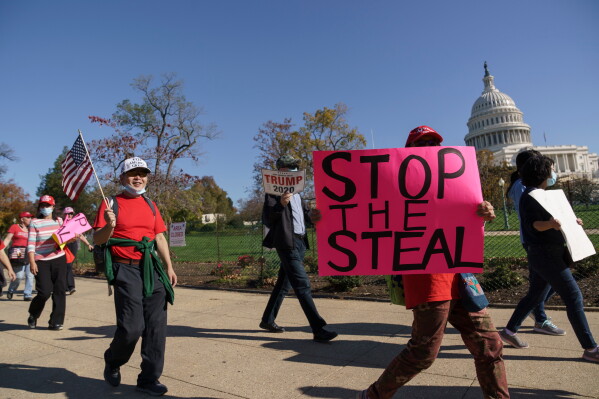
Following the 2020 presidential election, officials appointed by Donald Trump, including those in the Department of Justice, cybersecurity agencies, and intelligence departments, affirmed the election’s legitimacy. They declared it fair and free from significant fraud or foreign interference. Despite these findings, Trump has used his authority to challenge the established narrative.
Trump’s Continued Efforts and Appointments
In his second term, Trump has made concerted efforts to promote his claims about the 2020 election. He has appointed individuals loyal to his perspective, expecting them to support his assertions. This expectation has influenced many of his nominees who avoid directly acknowledging Joe Biden’s victory, opting instead for indirect affirmations.
Nominee Controversy
During a confirmation hearing, Jay Clayton, nominated by Trump for national intelligence director, exemplified the administration’s stance. When questioned about Biden’s win, Clayton insisted on the undisputable fact of Biden having the most electoral votes. This approach reflects the administration’s reluctance to openly concede Biden’s victory.
Conspiracy Theories and Legal Consequences
Trump has propagated conspiracy theories about international interference in voting machines, leading to legal ramifications for his allies. False allegations have sparked libel suits, as seen with networks like Fox News, Newsmax, and One America News, which faced substantial settlements for airing these claims.
Expert Opinions on Election Security
Election experts maintain that the 2020 elections were secure. Victoria Bassetti from States United highlights consistent findings showing no foreign interference and secure voting systems. Despite Trump’s potential new claims, they contradict existing evidence.
Extensive Reviews of the 2020 Election
Post-election reviews have consistently affirmed the absence of major fraud in 2020. Courts have dismissed challenges from Trump and his allies, even judges appointed by Trump found no substantial problems. Audits, recounts, and investigations universally support the election’s integrity.
2025 Reassessment and Further Investigations
Upon returning to power in 2025, Trump renewed investigations into the 2020 election. Resources were devoted to reviewing voting records in key counties like Fulton County, Georgia, and Maricopa County, Arizona. Despite commitment, these investigations yielded no evidence of fraud.
Libel and Conspiracy Implications
Persistent conspiracy theories have led to significant libel settlements. Allegations involving foreign manipulation, notably by Venezuela, are prominent among these claims. The legal system has held theorists accountable, escalating legal costs for misinformation.
Public Discourse and Court Outcomes
Assertions made publicly by conspiracy theorists often falter legally. Courts demand concrete evidence, a standard that theories surrounding Trump’s loss often fail to meet. As such, scrutiny remains essential for any further claims made by Trump regarding elections.
 American Tariff Rebate Act Introduced by Rep. Valerie Foushee
  The War on Poverty: A Lesson on Intentions and Outcomes
  Reporters Blocked from White House by Trump Administration
  Universities Should Reject Political Influence on Research Funding
  Trump’s Approach to China: Trade Dynamics and Challenges
  Media Outlets Sue After White House Ban