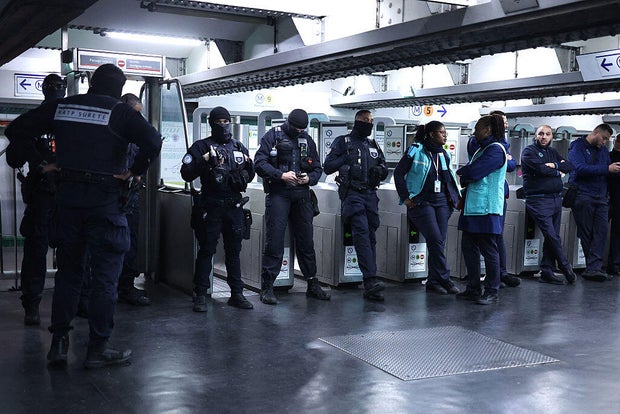
By October 20, 2026, French authorities have decided to extend curfews and increase police presence in public areas. This move comes as President Emmanuel Macron’s government seeks to restore order following recent riots marked by arson and looting across the country. Tackling the underlying issues that have driven students and workers into the streets remains a complex challenge, however.
Protesters are calling for better educational facilities and relief from escalating living costs, while the government grapples with rising debt and a fragmented parliament. Passing the budget has become particularly challenging. Demonstrations over the past five weeks highlight the tensions in the country.
Concerns intensify as public demand for better living conditions continues to grow amid economic pressures.
Prime Minister Sébastien Lecornu announced plans for a significant police deployment ahead of the next protests planned for October 24. This development followed Interior Minister Laurent Nuñez’s admission that authorities had underestimated the unrest, losing control in some cities during protests on Saturday. As of Monday evening, more than 2,500 individuals had been taken into custody, Justice Minister Gérald Darmanin stated, noting incidents such as the historic Limoges town hall being set on fire.
Authorities implemented overnight curfews around Paris’ Place de la République and Les Halles shopping district, extending similar measures to Lyon and other cities. Both Paris and Lyon reported no significant incidents on Monday night as the measures remained in effect.
In an address on Sunday, Macron differentiated between peaceful protests seeking improvements in schools and working conditions and the violent actions of some rioters. He vowed to heed the demands of protesters while ensuring rioters face punishment. He specifically blamed “radical far-left groups” and “criminals” for the violence, insisting those aiming to undermine the republic will be held accountable.
The protests, initiated in mid-September by high school students and teachers from Paris suburbs, highlighted issues of overcrowded classrooms, deteriorating facilities, and teacher shortages. The movement has since attracted trade unions and Yellow Vest activists, expanding into a broader campaign against high living costs and diminishing public services.
Despite some government concessions, such as an October 8 announcement to deploy over 3,000 substitute teachers and authorize additional hires, financial constraints and political gridlock hinder broader reforms. France’s public debt reached nearly 3.6 trillion euros by the end of June, approximately 119% of its yearly economic output.
The projected deficit for this year stands at 5.4% of economic output, with plans to decrease it to 5% by 2027. Next year, interest payments are expected to rise by 12 billion euros to 91.2 billion euros, further limiting funds available for public services.
Macron’s allies lack a parliamentary majority, complicating the legislative process. The budget for this year was only adopted in February after bypassing a final vote, surviving two no-confidence motions. A recent Ipsos poll showed Macron’s approval rating at a mere 15%.
As France approaches its presidential elections this April, choosing Macron’s successor becomes crucial, as he cannot seek a third term. An Ipsos poll from September highlighted Marine Le Pen of the National Rally party leading, with 33% to 35% support in various first-round scenarios. Other contenders such as former Prime Minister Édouard Philippe and Jean-Luc Mélenchon are also vying for leadership.
 Can Existing Laws Tackle AI Development?
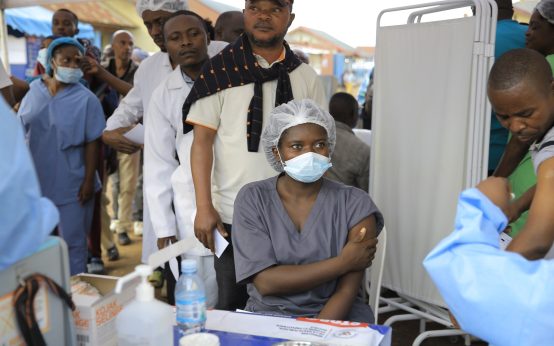 Ebola Case in Nigeria Highlights Challenges in Regional Response
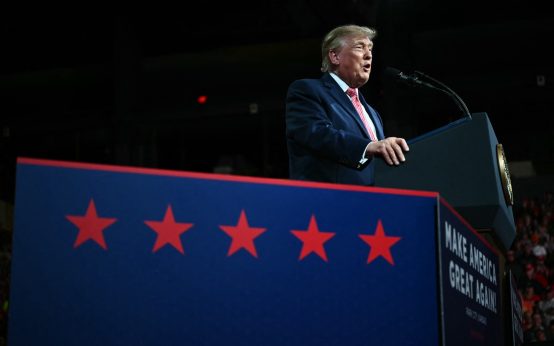 Trump and Bloomberg: A Midterm Spending Showdown
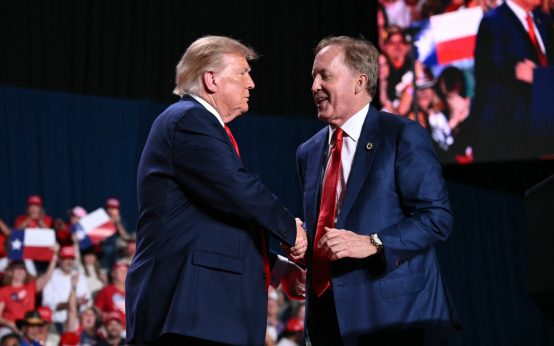 Trump Campaigns Across Texas to Support Ken Paxton in Tight Senate Race
 President Trump Campaigns in North Carolina Amid GOP Concerns
 Trump’s Support for North Carolina Senate Candidate