
New research, published Wednesday, highlights the increasing frequency of severe floods impacting coastal communities. Human-driven climate change, which contributes to rising sea levels, is largely to blame. Experts stress the importance of these findings for planning flood defenses and coastal infrastructure.
These significant floods occur when high tides and storm surges coincide with already higher sea levels. The impact is compounded by natural climate patterns and other human influences. For instance, stronger storms, such as Hurricane Ian in 2022, have led to increased flooding, according to scientists. Each year, flooding poses a risk to millions in low-lying coastal areas and results in billions of dollars in damage.
Research published in the journal Nature Climate Change indicates that floods, once a rare 1% annual occurrence along coastlines, are now 12 times more likely. Human-induced climate changes have made these events approximately four times as common. The study assessed tide gauge records from over 100 sites and used climate modeling to analyze trends from 1900 to 2005. Findings suggest that today’s risk level is likely understated, as human contributions have continued to grow.
Researchers examined the causes of sea level changes, distinguishing between human activity, natural forces, and landscape shifts. Earlier 20th-century sea level changes were predominantly natural, but since the 1960s, human-induced warming has been the main factor. A separate study in Science Advances supports this, attributing large floods occurring from 2000 to 2018 mostly to climate change. It notes that, on average, the days reaching extreme flood levels have nearly tripled since the 1970s.
“Essentially every coastal flood today has human fingerprints on it through climate change,” stated Ben Strauss, chief scientist at Climate Central.
Nature Climate Change research did not delve into specific human factors. However, lead author Sönke Dangendorf cited greenhouse gas emissions from fossil fuels as the most impactful. Dangendorf stressed the growing threat requires more preparation.
Retired oceanographer Jeff Williams emphasized incorporating this data into planning. He pointed out the need for strategies on funding increased protection, citing New Orleans as an example.
Around the world, renewable energy use, such as solar and wind, continues to rise. Clean power growth has surpassed overall global electricity demand growth, with renewables constituting over a third of the electricity mix. Despite the Trump administration’s focus on fossil fuels, the U.S. sees solar energy growth as coal declines.
The worst-case warming scenario seems less likely now, though not entirely averted. Dangendorf acknowledged that any rise in sea levels significantly impacts coastal areas.
“A silver lining exists because we control emissions,” he said. “We can slow this development.”
Alexa St. John from the Associated Press contributed to this report.
 Impact of New Tariffs on Green Energy Transition
  Cornell University Implements Ban on Processing Wild Game in Campus Kitchens
  Lake Mead’s Historic Low Water Levels Highlight Colorado River Crisis
 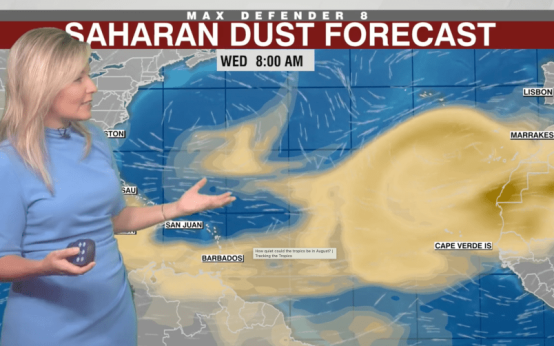 Impact of Saharan Dust on U.S. Weather
  Hanoi’s Urban Transformation: Growth and Challenges
 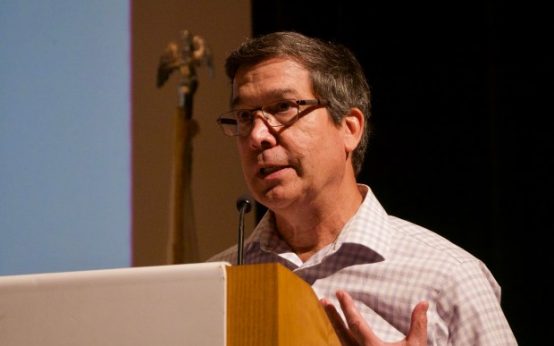 Grayslake Residents File Lawsuit Against Data Center Project