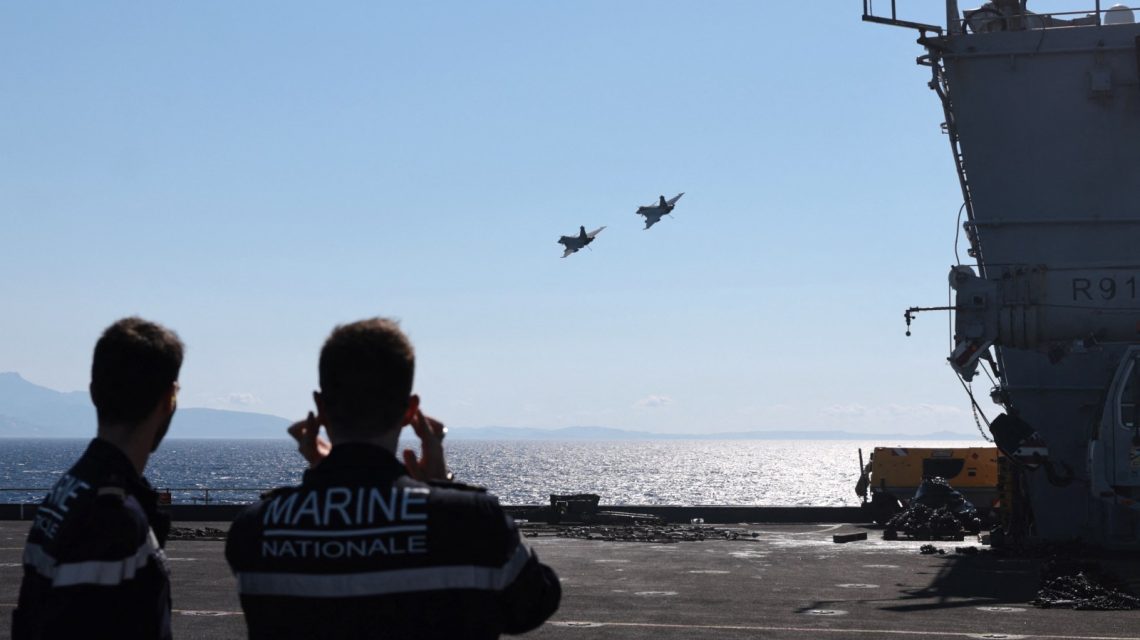
A recent drone strike on Egypt’s Damietta port, near the Suez Canal, has intensified the U.S.-Iran conflict in the Middle East. This development poses a risk of significant disruption to global trade, impacting NATO’s strategic considerations. The attack remains unclaimed, marking the first incident at the canal’s northern entrance. Meanwhile, Iran’s ally in Yemen, the Houthi movement, threatens Red Sea traffic from the south.
Iran continues to menace shipping through the Strait of Hormuz, responding to U.S. military actions. The Mediterranean serves as both a crucial trade route and NATO’s southern border. The Suez Canal, of historical interest to European nations, became a focal point in the 1956 crisis when Egypt nationalized the canal, prompting a U.K.-French-Israeli invasion. Today, Washington seeks European support in conflicts touching the region’s interests.
John Deni, a senior fellow at NATO Defense College, highlights NATO’s focus on threats from Russia and southern instability. Though primarily viewed through the lens of terrorism, Iran poses a significant missile threat, as shown by the defensive architecture in Türkiye, Romania, and Poland. Should Iran be responsible for the Egyptian strike, European concerns could heighten.
“This could represent a serious escalation,” Deni told Newsweek, noting Europe’s position in the Iran conflict.
Eight NATO countries border the Mediterranean, significant during the Cold War as NATO and the Warsaw Pact vied for dominance. Russia’s naval base in Syria became pivotal after its intervention in the Syrian conflict. Operation Sea Guardian represents NATO’s primary Mediterranean efforts, enhancing maritime security and responding to illicit threats. The increasing capability of long-range drones offers a significant challenge, evident since the Russia-Ukraine conflict began.
The Suez Canal is vital, enabling direct passage between the Red and Mediterranean Seas. Past disruptions, like the Ansar Allah’s operations in 2023, forced ships to reroute via South Africa’s Cape of Good Hope. Analyst Karen Young highlights the risks posed by threatened chokepoints at Bab al-Mandab, Strait of Hormuz, and the Suez Canal.
The impact on trade and security is severe, with heightened costs and rerouted goods affecting global economic stability. Energy security considerations complicate the situation, influencing decisions on supply chains, storage, and refining access. Weaker economies face the harshest impacts.
While NATO has largely resisted U.S. pressure to engage directly, allies like the U.K., France, and Germany have discreetly contributed through logistical and intelligence support. The U.K. has allowed American use of military bases, and naval cooperation exists in the Gulf. Jamie Shea, a former NATO official, notes this tension as the U.S. requests more from Europe while reducing its presence.
The complications in aligning European defense and procurement policies amid the U.S.’s shifting priorities have strained the alliance’s coherence. Inconsistencies in White House messaging further complicate European responses. The need for strategic alignment remains, involving both domestic capability improvements and transatlantic cooperation.
The recent Damietta strike underscores the fragility of maritime security amidst increasing global tensions. Events like Ukrainian drone strikes on Russian-Iranian vessels in the Caspian Sea highlight the interconnectedness of regional conflicts. Potential escalations could pull NATO deeper into tensions with unintended effects on security priorities and global stability.
J.C. Lintzenich of the German Marshall Fund emphasizes that NATO’s current focus is on Russia, and maintaining support for Ukraine is paramount. A continued threat to vital maritime routes, however, might force NATO to reconsider its strategic direction.
“The economic consequences could push NATO toward more assertive responses,” Lintzenich said, acknowledging the delicate balance between military and economic factors.
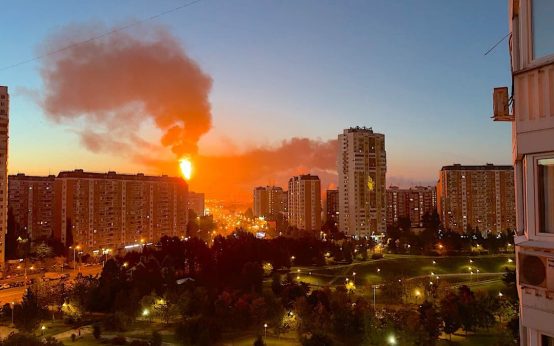 Ukraine Missile and Drone Barrage Hits Russia Amidst Elections
  U.S. Strategic Goals Remain Unmet Amid Prolonged Conflict
  New Photos Reveal Damage from Iranian Strikes in the Middle East
  Assassin of Chilean Diplomat Orlando Letelier Faces Deportation 50 Years After Assassination
  Gorillaz and Macklemore Respond to Controversy Over Israel-Palestine Statements
  Investigation into Lion Deaths in Tanzania