
New York City Mayor Zohran Mamdani faces a challenging task. His first executive budget represents a critical intersection between campaign promises and governance. Supporters praise the budget for avoiding austerity measures. Critiques, however, note its limitations and the exclusion of key campaign promises. The reality underlying these discussions is stark: the decline of middle-class jobs in New York City.
Key industries such as health care, social services, and education heavily rely on public funding, which is now under financial pressure. For Mayor Mamdani, achieving his goal of making New York affordable requires more than merely redistributing these limited resources. His approach needs to stimulate private-sector jobs, vital for upward mobility.
To revitalizing the middle class, Mayor Mamdani must address various regulatory barriers. Occupational licensing and business regulations pose significant challenges. Additionally, land-use restrictions and other cost-increasing policies add layers of difficulty in maintaining a middle-class lifestyle in New York City.
Efforts to reform these areas could unlock potential private-sector growth. Such growth is essential in creating sustainable opportunities for the middle class and easing the affordability crisis. Addressing these regulatory issues effectively is crucial for Mamdani’s administration to deliver on its promises and rejuvenate middle-class life in New York.
 Potential Impact of Tropical Storm Polo on Southern California
  Shooting Incident at South Los Angeles Senior Assisted Living Facility
  Legal Challenges in Pursuing a Wrongful Death Claim Against Utah Valley University
  Man Arrested After Fatal Stabbing on Chicago’s South Side
 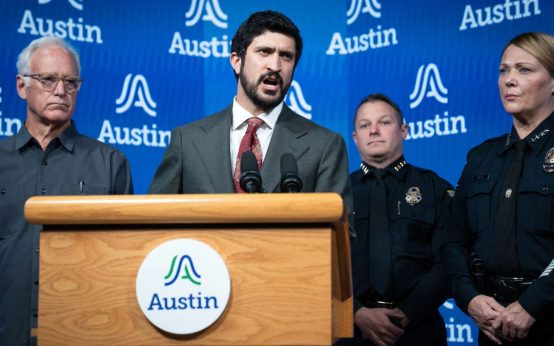 Debate Over ICE Action in Austin Escalates
  Fatal Car Crash in Grand Rapids Involving ICE Agents