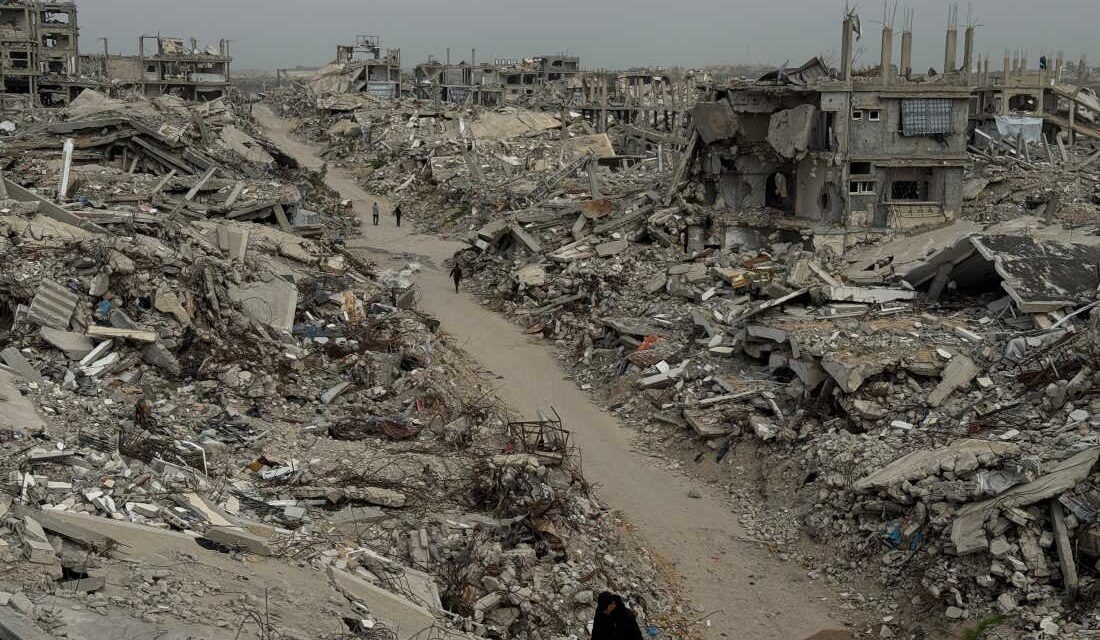
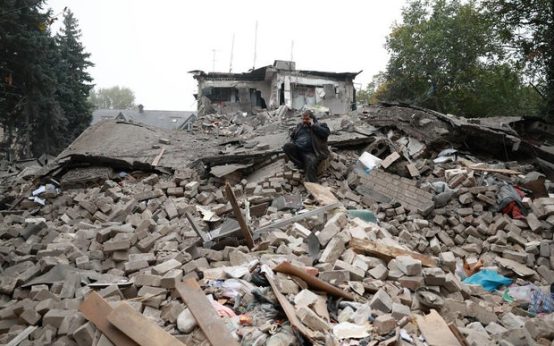
BEIT LAHIA, Gaza Strip — In late October 2024, Israeli strikes devastated a neighborhood in Beit Lahia, causing immense loss of life. Among the countless tragedies, one strike on a five-story apartment building claimed the lives of more than 132 members of the extended Abu Naser family, leaving the community in mourning. Recovery crews embarked on their challenging mission amidst debris and destruction.
Survivors like Ola Abu Naser, who lost numerous relatives, shared their yearning to recover and honor the deceased. “We felt as if they were calling us,” said Ola, reflecting on the painful yet hopeful recovery process.
Efforts Overcome Limited Resources
Throughout Gaza, nearly 8,000 bodies lay buried under rubble, as per the health ministry’s estimates. The recovery efforts are hindered by limited resources, with only one functioning excavator available for extracting bodies, according to the International Committee of the Red Cross. Iyad Abu Jarad spearheads this effort, receiving daily pleas from families desperate to retrieve their loved ones’ remains.
Pat Griffiths, a Red Cross spokesman, emphasized the urgent need for equipment as the scale of necessity is overwhelming. A recently repaired digging machine promises some relief but falls short of addressing the massive demand.
Gruesome but Necessary Work
Rescue workers, guided by scent rather than sight, painstakingly sift through debris and rubble to locate bodies. After 90 minutes on the mission’s first day, Shawqi Abu Naser was identified using personal items found with his remains. Survivors’ identification of remains becomes vital in the absence of DNA testing capabilities.
Ola Abu Naser experienced the agony of identifying her 16-year-old brother, Imad, amidst the rubble, highlighting the deep emotional toll on those left behind. Despite their progress, many bodies remain trapped and undeferred below piles of concrete.
Wounds Resurface with Recovery
Day two extended deeper into the rubble, uncovering more victims encased in their final positions of life. The events dredged up raw memories and trauma for families nearly wiped out by the conflict. For Aya Abu Naser, the massacre signified a personal understanding of genocide as her relatives vanished overnight.
As recovery missions proceed, Israel maintains its stance, reaffirming the necessity of its military actions against Hamas in light of prior attacks. Accusations of genocide are refuted, with the tragic strike on the Abu Naser family’s building framed within a broader military offensive.
Parting with Heavy Hearts
The narrative of survival is harsh, as Ola expressed: “The ones who died are the survivors. The ones who survived are the dead.” The mental anguish is as palpable as the physical devastation, with families revisiting the painful moments through recovery efforts.
Final Resting Places
At the close of these arduous recovery efforts, prayers are recited behind rows of body bags. Survivors and rescue workers honor those recovered, offering them final rites and dignity. As the community grapples with loss, new graves bear witness to the enduring pain and love for those gone but cherished.
The excavator moves on to further missions, perennial in their intention to retrieve and respect those claimed by conflict.
 Storm Updates and Impact Reports in the Southeast
  Pope Leo XIV Labels Death Penalty an Assault on Human Dignity
 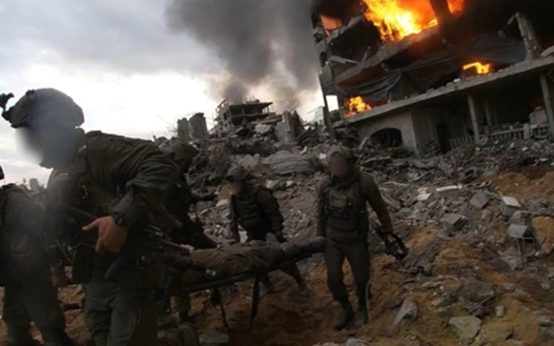 Advancements in Israeli Military Medicine Aid U.S. Efforts
 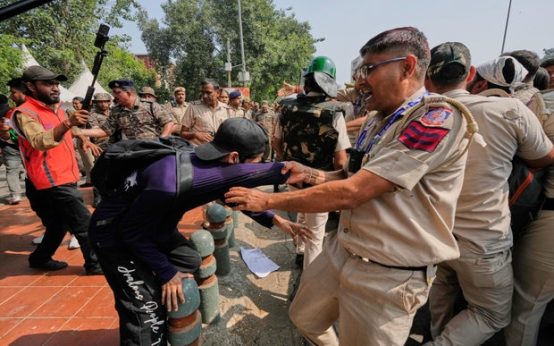 Mass Arrests in New Delhi During Protest Against Voter List Revision
 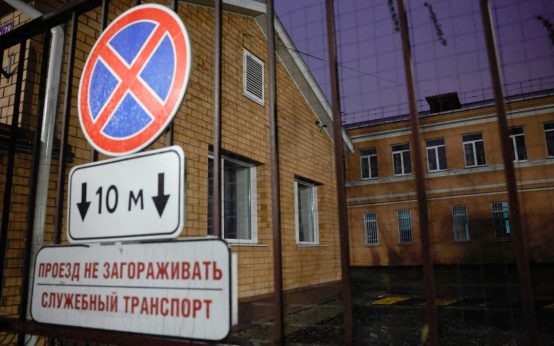 Concerns Over Russia’s Biological Weapons Programs
  Russian Strikes Result in Casualties Amid Diesel Deal Controversy