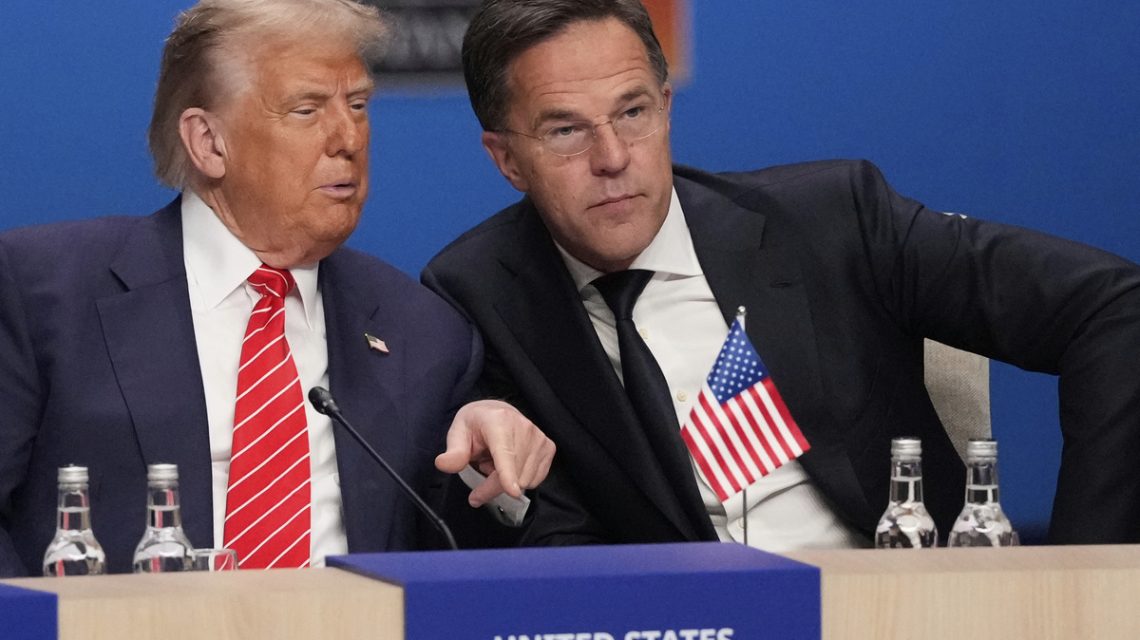
Last month, NATO Secretary General Mark Rutte attended a meeting with U.S. President Donald Trump, bringing along two colorful charts to illustrate his points. Rutte aimed to highlight Europe’s and Canada’s increased defense spending, noting a 20 percent rise projected for 2025 compared to 2024. His presentation included a reference to the ‘Trump Trillion’, a term he used to describe the additional $1.2 trillion committed by these regions since Trump became president.
This event was carefully timed, coinciding with preparations for NATO’s major annual meeting. Labeled as a move to maintain unity within the alliance, Rutte’s visit sought to address U.S. criticism regarding Europe’s defense expenditures. Officially, this was framed as preparation for the Ankara Summit, which presented a forum for discussions on transatlantic defense spending.
The summit took place in Ankara amid lingering questions about U.S. troop presence in Europe. European officials were uncertain about the specifics of potential U.S. troop withdrawals, although hopes remained for clarity during the event. Also on the agenda were Europe’s defense industry and Ukraine’s future. While new defense spending commitments weren’t expected, there was anticipation of announcements regarding defense contracts.
A crucial aspect of the summit was its test of NATO’s endurance as an institution. For over 30 countries relying on NATO for protection, the gathering represented another instance of enduring U.S. criticism. As the world watched, these members braced for further tensions.
In 2026, NATO faced a turbulent year marked by diplomatic issues and mixed messages. Rutte’s attempts to soothe tensions didn’t fully succeed. Trump publicly criticized the alliance, arguing that the U.S. carried an outsized financial burden and questioning the reciprocal nature of the relationship. Historical context reveals that since the Cold War, the U.S. provided significant military capabilities for Europe, allowing smaller European militaries to avoid heavy expenditures.
Many European officials agree that it’s time for Europe to increase its defense spending. However, there’s discomfort with the undiplomatic tone of the U.S. administration, which some view as detrimental to the alliance. Earlier in the year, U.S. threats to take control of Greenland, part of NATO member Denmark, further strained relations.
“Europe is still smarting from U.S. overtures,” said Jim Townsend, a former Pentagon official, addressing the situation.
Complicating matters is the U.S. stance on the Iran conflict, which started in February, involving U.S. and Israel. European countries resisted involvement, limiting U.S. access to their bases for strikes on Iran. This response fueled U.S. intentions to adjust its military presence in Europe, leading to a review announced by Defense Secretary Pete Hegseth.
However, internal disagreements among U.S. officials, including Secretary of State Marco Rubio, blocked immediate troop withdrawal announcements. Concerns over potential Russian aggression contributed to this hesitation.
Additionally, the resignation of General Chris Donahue, a respected U.S. Army commander in Europe, left European allies uncertain ahead of the summit. Despite this, NATO’s top commander, General Alexus Grynkewich, expressed optimism, noting progress in filling gaps left by U.S. reductions and finding alternative capabilities.
Looking to the future, NATO must navigate an unpredictable environment. Observers anticipate more criticism from Trump at the Ankara summit over issues like Europe’s non-participation in the Iran conflict, defense spending, and countries resisting increased expenditures.
Among the alliance members, the U.K. may face scrutiny for its defense investment plans. The recent release of the U.K.’s Defence Investment Plan, which faced criticism over its adequacy, highlights ongoing challenges as Europe braces for potential threats from Russia.
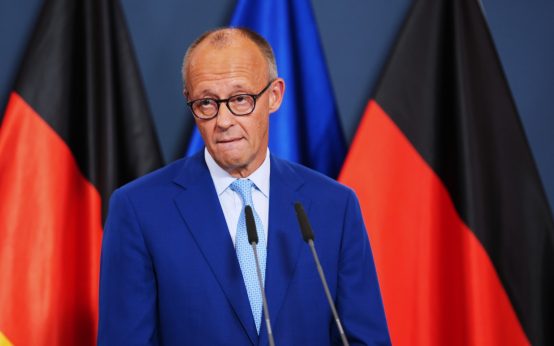 Merz Stays Resolute Amid Electoral Shifts in Germany
 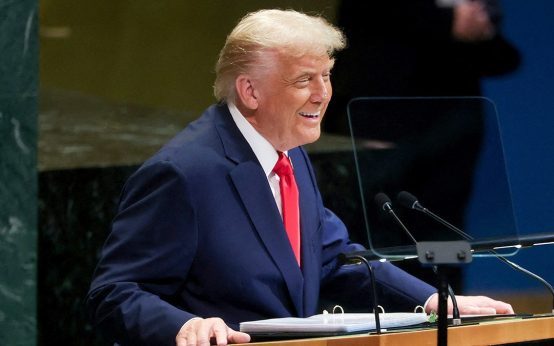 U.S.-Iran Relations and Diplomacy at Upcoming U.N. Assembly
 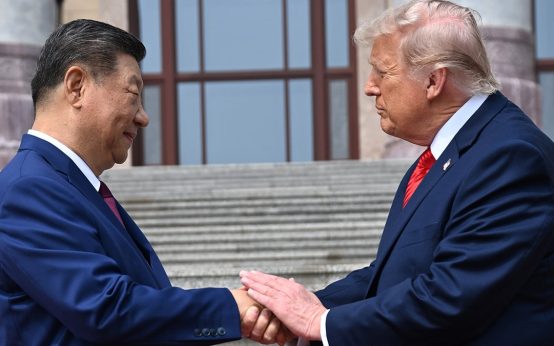 US-China Relations Under Scrutiny: Expert Warns of Escalating Tensions
 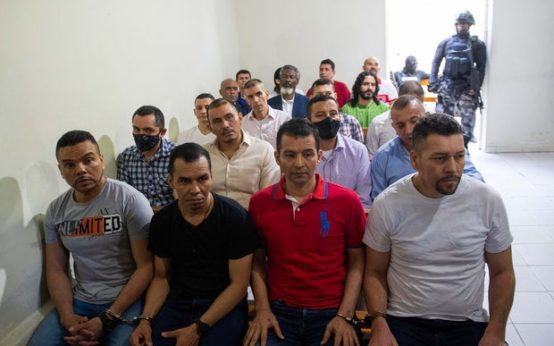 Extradition of Suspects in Haitian President’s Assassination
  No Timeline for End of Iran Conflict
 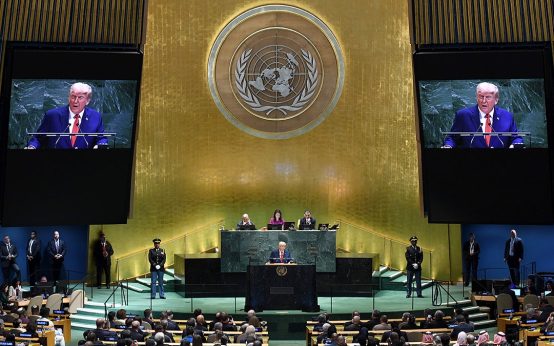 Trump’s UN Visit: Focus on Iran and Reforming the Global Institution