Changing Tactics in Public Image Recovery
Throughout the 2010s and early 2020s, celebrities typically followed a well-known pattern to regain public favor after a backlash. They would issue apologies, give managed interviews, and attempt a rebranding. Grayce McCormick of Lightfinder PR noted this approach used to showcase both remorse and change. Redemption tours became a norm for those in the spotlight, whether celebrities or politicians. But recent examples indicate this formula may no longer be as effective.
Some public figures now face criticism yet choose not to engage with traditional image rehabilitation strategies. They still manage to maintain their professional success. The question thus arises: has this informal rulebook shifted by 2026?
Changing Narratives in 2026
Formerly, public figures were advised to speak promptly to control the narrative. Now, some ignore backlash and focus on their core supporters instead of trying to appease critics.
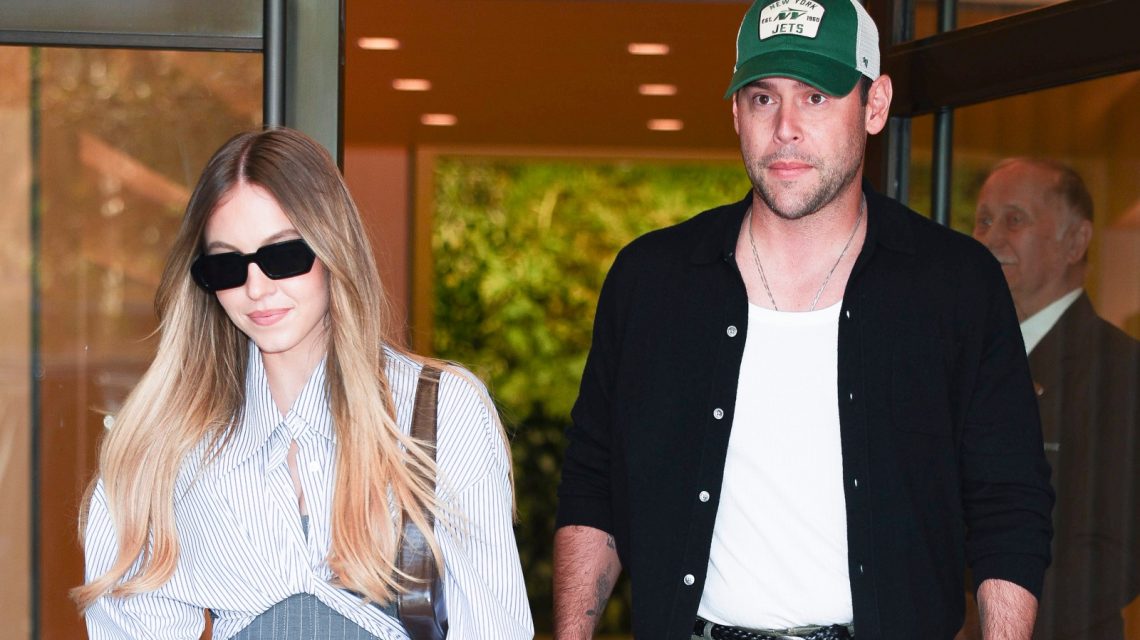
Actress Sydney Sweeney and former talent manager Scooter Braun exemplify this shift. Despite facing substantial criticism, neither has pursued a typical redemption campaign. Their commercial appeal remains solid.
Newsweek reached out to representatives of Sweeney and Braun for comments, illustrating this strategic departure.
Sydney Sweeney and Scooter Braun as Case Studies
Sweeney and Braun reportedly met at Jeff Bezos and Lauren Sánchez’s wedding in June 2025, confirming their relationship later.
Sweeney wrapped up her role as Cassie in HBO’s Euphoria and still serves as the face of American Eagle. Her commercial influence persists amid lingering controversy over a previous campaign.
Braun initially gained fame managing artists like Justin Bieber and acquired Big Machine Records in 2019, sparking criticism tied to Taylor Swift’s master recordings. In a podcast, he described not knowing Swift firsthand, calling himself a ‘villain’ in this narrative.
Their ongoing success prompts a reconsideration of cancel culture’s present impact: has it diminished, or have reactions simply evolved?
The Impact of Public Backlash in 2026
McCormick argues that Sweeney and Braun signify an evolution, not the end, of cancel culture. Neither devotes time to winning over critics; instead, they concentrate on their work while public opinion dictates relevance.
This shift could arise from what McCormick terms ‘outrage fatigue.’ Audiences scrutinize controversies by their context and severity rather than knee-jerk reactions.
Quicker news cycles also contribute. Events once headline-grabbing for months now fade in days. Sarah Schmidt of Interdependence PR said celebrity rehabilitation ‘rules have changed.’
Accountability remains essential, but debate about lasting consequences varies. A 2025 YouGov survey indicated that 51% thought cancel culture had gone overboard, with only 13% believing it proportional.
Evolving Reputation Management Strategies
Public figures historically depended on apologies and exhibitions of remorse to restore their reputations. Increasingly, though, many opt for a different strategy. They keep working, offer minimal explanations, and let audiences judge the controversy’s weight.
‘Authenticity’ has become critical. If audiences sense an apology’s insincerity, it seems pointless.
Schmidt states that those who succeed show vulnerability. Doubling down usually results in greater loss than the initial mistake caused.
Consistency appears more important today than mere redemption.
Brands’ Changing Perspectives on Controversy
Brands are noticing this shift as well. Controversy no longer poses a blanket threat. Online discourse and even criticism can create visibility, boosting sales.
Sweeney’s American Eagle campaign demonstrates this trend. Despite backlash, the associated publicity coincided with a 25% increase in the company’s stock price. Schmidt argues it shows ‘controversy as currency’ in today’s online world.
McCormick warns that not all controversy is beneficial. Serious ethical errors can still cause lasting damage. Brands now better differentiate between temporary backlash and true consumer rejection.
Public image still matters, though universal approval may not be necessary. Celebrities and brands need credibility within their vital audience segments for career and business success. This environment shifts apology tours from being a requirement to a strategic choice.
Is Cancel Culture Ending or Transforming?
Current evidence does not show cancel culture has vanished. Public scrutiny, damage to reputations, and professional repercussions persist. However, experts note changes in managing controversies and the weight of online backlash.
The question may shift from whether a celebrity can endure cancellation, to questioning the necessity of a redemption tour altogether.
 Implications of Paramount’s Acquisition of Warner Bros. Discovery on CNN
  The Curious Case of Mark Jackson’s NBA Hoops Card
  Communities Continuing Recovery from Hurricane Helene Explored through Graphic Novel
  Trump Launches ‘Trump TV’ Amidst Controversy Over Media Ban
  Art Institute of Chicago Returns Nazi-Looted Painting to Heirs
  Chicago History Museum Responds to Protest with Aquí en Chicago Exhibit