Faisal Rashid and his wife leaped from their bed at 3 a.m., racing to book spots for this year’s Hajj before packages vanished. In their Pasadena, California home, adrenaline surged as Faisal navigated the online booking system. In February, they learned they secured places for the pilgrimage to Mecca in Saudi Arabia. The emotional moment still reduces them to tears.
“It was an incredibly joyful experience,” said 35-year-old Rashid. His voice shook as he shared the memory. “My wife was already in tears, praying. We felt immense gratitude.”
“If God invites you, then you’re able to go.”
A lot has changed since that day, including the start of the Iran war, which later cooled to a shaky ceasefire. Yet the couple remains determined to perform the pilgrimage. They are among U.S. Muslims joining thousands traveling to Saudi Arabia for a Hajj set against regional tension and conflict. The Hajj officially starts on Monday.
At Hajj, Muslims unite in religious rituals to fulfill one of Islam’s Five Pillars. This spiritual obligation offers a lifetime opportunity for pilgrimage and a chance to seek divine forgiveness.
A Spiritual and Demanding Journey
Many Muslims save for years and wait for permits to embark on this sacred journey. “It’s not something you easily get,” Rashid explained. He is a doctoral candidate and serves as a reserve officer in the Los Angeles Police Department.
Amid concerns from family about the war’s impact, Rashid stays focused. He acknowledges that past pilgrims faced harsher conditions. Viewing the journey as demanding both physically and emotionally, he has taken precautions like monitoring flight schedules and signing up for embassy alerts.
He emphasizes reliance on his faith. “In Islam, we do our best and then release control over what we can’t manage. I need to remember that God is the ultimate planner.”
Travel Concerns Heightened
On Friday, U.S. Secretary of State Marco Rubio cited “slight progress” in talks with Iran. Days earlier, President Donald Trump halted a military strike, signaling ongoing negotiations. Despite ceasefire reach in April, warnings from the U.S. Embassy in Riyadh urged Americans to reconsider participating due to security risks.
Ahmed Sufyan, a surgeon from Michigan, shares concerns over potential travel disruptions. His return includes stops in Gulf countries affected by the conflict that began February 28 with U.S.-Israeli strikes and retaliations by Iran.
“There is uncertainty with the war,” Sufyan admitted. “This adds concern. But faith drives us.”
For him, Hajj’s importance eclipses typical travel. “This is different. I am fortunate to have this chance.” Sufyan knows many struggle for years to secure a place. “Hajj transcends politics and conflict.”
His goal is transformation. “Hajj requires focusing on your creator, fostering patience and humility.”
Costs and Unpredictability
Hajj unites Muslims worldwide, transcending race, ethnicity, language, and class. In India, pilgrimage preparations proceed as normal, although high fuel prices increase travel costs for local pilgrims.
In the U.S., uncertainty altered Noor-e-ain Shahid’s childcare plans while she attends Hajj with her husband. Originally, they arranged for her children to stay with family in Dubai, but the war disrupted this plan. Her in-laws offered help by caring for the children at home.
She is unfazed by safety concerns. “When Allah invites you, Allah takes care of you. If this trip marks my end, I accept that.”
Emotions run high, with fortune being the strongest feeling. “Hajj is like rebirth. You get a chance to begin anew,” Shahid said.
In California, Rashid and his wife prepare physically for the demanding pilgrimage by exercising. New shoes need breaking in. Spiritually, they pursue guidance and carry others’ prayer requests.
Rashid aims for a clean slate, void of bitterness and anxiety about worldly matters.
This report includes contributions from Associated Press writer Sheikh Saaliq in New Delhi, India. The AP’s religion coverage receives support from The Conversation US, funded by Lilly Endowment Inc. The AP retains sole responsibility for the content.
 Controversy Surrounds Performances at Gillette Stadium
  Tucker Carlson’s Remarks on Britain and WWII Spark Backlash
 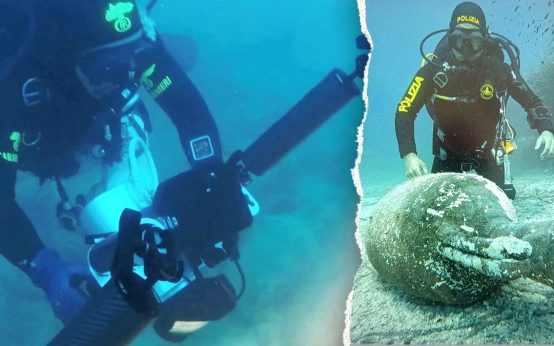 Police Divers Uncover Ancient Roman Artifacts in Sardinia Waters
  Conservative Activist Urges AI Safety Measures
  G7 Nations to Release 100 Million Barrels of Oil Amid Fuel Price Surge
  Attempted Hijacking on FlyDubai Flight to Tel Aviv