Nearly 175 years ago, Illinois lawmakers exempted Northwestern University from paying property taxes to Evanston and other taxing bodies with a historic 1851 charter. This exemption remains a significant hurdle for Evanston officials seeking additional funds from the city’s largest employer.
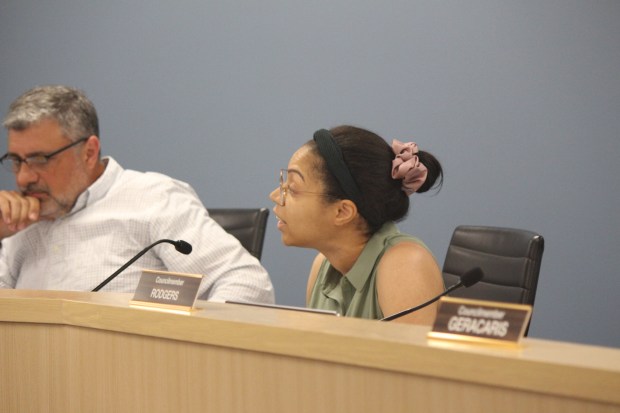
Recently, on July 27, City Council members voted against including an advisory referendum in the November 3 election ballot. The question would have asked voters if tax-exempt organizations, like Northwestern, should pay an equivalent amount in property taxes when using their property for commercial activities unrelated to their nonprofit missions. The proposal did not pass due to a 4-4 tie, with Ald. Juan Geracaris abstaining because of his employment with Northwestern. Evanston Mayor Daniel Biss was absent from the meeting, leaving the tie unbroken.
Illinois law mandates that real estate owners be subject to taxation, but it also allows schools, government agencies, charitable organizations, and religious institutions to apply for tax exemptions. Northwestern has a corporate charter exemption that predates the 1870 Illinois Constitution, allowing its properties to remain free from taxation forever. This rare privilege is shared with only 80 other private educational or charitable institutions.
Despite this exemption, most tax-exempt nonprofits pay property taxes when their land is used for commercial reasons unrelated to their missions. Northwestern, however, operates commercial ventures such as a childcare center, doctor’s office, and restaurant without such tax liabilities. Ald. Parielle Davis has advocated for Northwestern to make payments in lieu of property taxes (PILOT) similar to other nonprofits.
The proposed referendum would have let Northwestern bypass property taxes for commercial activities if approved by three-fourths of the City Council. Davis argued that Evanston seeks Northwestern’s cooperation in making payments in lieu of taxes, or facing increased scrutiny from the Council during approvals for for-profit activities.
While several council members concurred that Northwestern’s state-granted exemption is unfair, some suggested that the referendum might create more issues than solutions. Ald. Bobby Burns noted that his ward would likely support the ballot question but favored discussing the idea first. Ald. Jonathan Nieuwsma pointed out that a non-binding referendum might not solve the problem, emphasizing the need for a legal ordinance.
Despite challenges with Northwestern’s charter, Evanston has negotiated successfully with the university, including approving the construction of its new $875 million Ryan Field stadium in 2023. Council members cautioned against using the referendum to confront the university, suggesting that strategic engagement would be more effective.
Evanston Corporation Counsel Alex Ruggie explained that the charter has been court-challenged but upheld by the Illinois and United States Supreme Courts. Ald. Matt Rodgers supported asking voters about the tax issue and considering a future ordinance to address it.
The tie vote may reflect Evanston’s hesitation to directly confront its wealthiest institution or its selectivity in choosing battles with Northwestern. Considerations of legality and strategic negotiations weigh heavily in the council’s approach to Northwestern’s tax exemption.
 American Public Opinion on Press Freedom
  Media Lawsuit Against Trump Administration for White House Ban
  The Cost of Challenging Beijing
  Analyzing Midterm Elections and Party Dynamics
  Allan Lichtman’s Framework for Assessing Presidential Greatness
  Florida Senate Race Tightens as Recent Polls Show Dead Heat