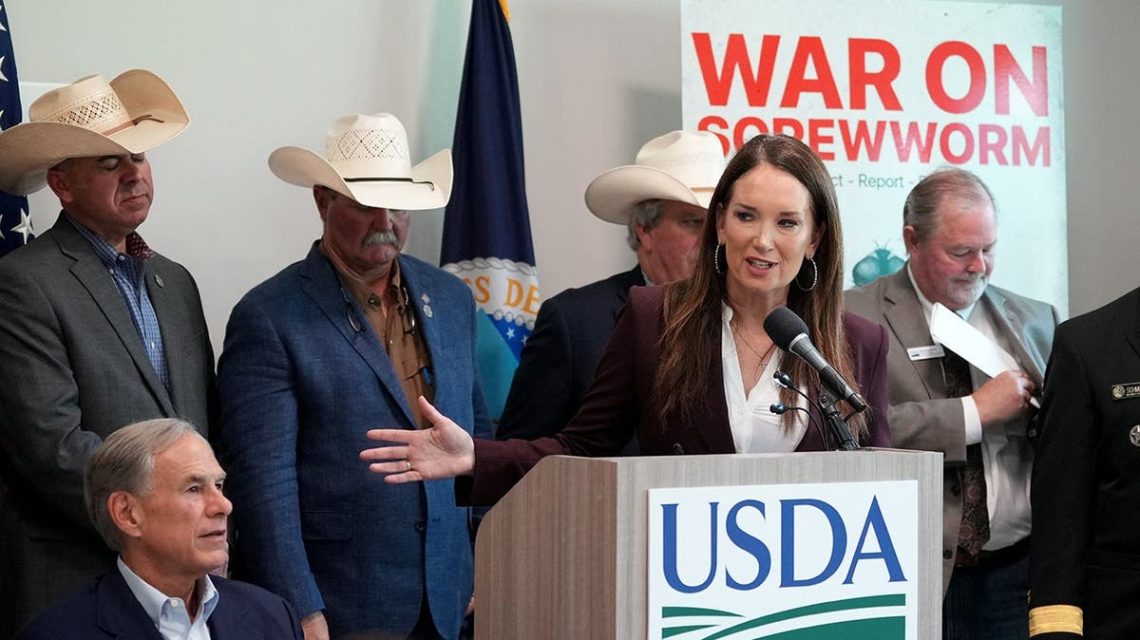
The New World Screwworm (NWS), a parasitic fly that feeds on the flesh of livestock and other warm-blooded animals, has made its way to South Texas. The United States Department of Agriculture (USDA) Animal and Plant Health Inspection Service (APHIS) confirmed on June 3 that NWS larvae were detected in a three-week-old calf in Zavala County, Texas. As of June 11, a total of six cases had been verified by federal officials, as reported by Fox7 Austin.
According to the USDA, NWS poses a serious threat to livestock, pets, wildlife, and occasionally humans and birds. These larvae burrow into living animal flesh, causing significant damage and economic loss. While meat remains safe to eat, the screwworms risk increasing beef prices, which are already high.
The USDA, headed by U.S. Secretary of Agriculture Brooke Rollins, took preventative action on May 11, 2025, by halting the import of live cattle, horses, and bison through southern U.S. border ports. This measure was in response to the rapid spread of NWS in Mexico.
“Models predicted NWS entry into the U.S. in 2025,” said Dudley Hoskins, USDA Under Secretary for Marketing and Regulatory Programs. “Thanks to concerted efforts, we delayed this event.” He highlighted that the USDA has heavily invested in strategies to eliminate NWS since cases began rising in Central America and Mexico.
The USDA has launched an immediate response in Texas, deploying an APHIS strike team. The strategy includes releasing sterile male flies and establishing movement control zones to quarantine livestock. This approach has parallels with the 1920s and 1930s eradication efforts by USDA scientists, which involved the Screwworm Adult Suppression System (SWASS) and deploying sterile male flies to prevent reproduction.
Despite extensive efforts, Texas Agriculture Commissioner Sid Miller has criticized the USDA’s response, suggesting that additional tools should be employed. “Even with billions of sterile flies released, screwworms advanced over 1,100 miles to Texas,” Miller stated. He emphasized the need for rapid deployment of all resources to curb what could become an agricultural disaster.
Dawn Buckingham, Texas Land Commissioner, oversees substantial state land, including grazing areas managed by the Texas General Land Office. The office has offered substantial support to the USDA efforts, providing land for housing workers, fly growth, and trapping activities.
Buckingham noted that screwworms are a recurring threat due to global mobility and added that control methods are well-established. “We have medications to treat screwworms, and we understand how to stop the insect’s propagation,” she said. She expressed confidence in overcoming this challenge as done in the past.
 Former House Speaker Dennis Hastert Passes Away at 84
  Two Killed, Dozens Injured in Georgia Homecoming Party Shooting
  Tragic Loss of a Young Life in Chicago: 7-Year-Old Victim of Fatal Stabbing
  Exploring Orange County’s Anti-Mexican Political History
 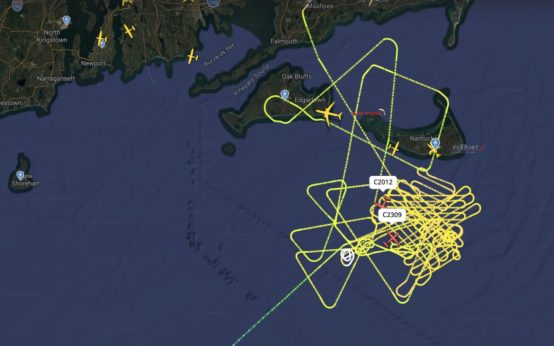 Search Underway for Missing Aircraft Near Nantucket
  Tennessee Prison Chief Resigns After Failed Execution