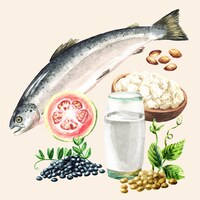
Protein has become a popular topic of discussion in recent years, and it often comes with misconceptions. Many people, including gym enthusiasts and wellness influencers, advocate for consuming large amounts of protein, a practice known as ‘protein-maxxing.’ The market for protein-rich products has expanded, featuring items like protein-packed coffee, chips, and soda. However, the question remains: do you truly need such high levels of protein?
Protein is undoubtedly an essential macronutrient, alongside fat and carbohydrates. It consists of amino acids and plays a pivotal role in building muscles, as well as synthesizing hormones, enzymes, antibodies, neurotransmitters, and more. Assessing your protein intake can help determine if adjustments are needed to meet your health needs.
Impact of Excessive Protein Consumption
Consuming too much protein can stress your kidneys, as they work to eliminate excess nitrogen found in protein. This can be particularly problematic if you have preexisting kidney issues.
Consequences of Insufficient Protein Intake
Not consuming enough protein can lead to muscle loss and impairments in bodily functions. It is crucial to maintain adequate protein levels to support various physiological processes.
Timing Protein Intake
There are certain times when increasing protein consumption is beneficial, such as post-exercise or during recovery from illness. Adjusting intake during these periods can enhance health benefits.
Food Sources: Comparing Options
- Best Plant-Based Source: Contrary to popular belief, peanut butter is not the richest plant-based source of protein. Foods like lentils and chickpeas offer higher protein content.
- Meat with Highest Protein Content: Chicken breast is a great choice, offering significant protein per portion.
- Adjusting Protein Intake with Age: As you age, increasing protein intake can help maintain muscle mass and overall health.
- Protein in Fruits: Avocados are surprisingly rich in protein compared to other fruits.
- Plant-Based Protein Leaders: Foods such as tofu and quinoa are excellent sources of plant-based protein.
- Seafood with Least Protein: While seafood generally offers good protein levels, shrimp contains relatively less protein compared to other options.
Kidney Health Considerations
Monitoring protein intake is essential for maintaining kidney health, especially for those at risk of kidney ailments.
Building a High-Protein Breakfast
For a protein-rich breakfast, opt for ingredients like eggs, Greek yogurt, and cottage cheese.
Origin of Whey Protein Powder
Whey protein powder is derived from milk during the cheese-making process.
Understanding proper protein intake is vital for your health. Evaluate your diet and adjust accordingly to ensure your body’s needs are met.
 Addressing Systemic Racism: The Importance of ‘The Talk’ for Black and Brown Families
  Early Detection of Silent Atherosclerosis Highlights Need for Heart Health Awareness
  White House Announces Medicare Fund for One-Time Payments
  Church Attendance Linked to More Satisfying Marriages and Sex Lives
  Dining with Loved Ones May Benefit Blood Sugar Levels
  Addressing the Growing Food Security Crisis in East Africa