
Three years after a severe marine heat wave impacted Florida, scientists report improved readiness for safeguarding coral reefs. The original event, occurring in 2023, caused unprecedented coral bleaching due to dangerously warm waters off South Florida’s coast.
By late June, temperatures had already started to rise. Researchers like Ken Nedimyer, among others, were especially vigilant given their past experiences. They were committed to preventing a repeat of the event that caused significant damage to the state’s coral ecosystems.
A member of the nonprofit Reef Renewal USA actively engaged in coral conservation efforts. On July 13, they transported coral branches from an offshore nursery to deeper, cooler waters, a strategic move to help protect these vulnerable marine organisms.
Scientists and conservationists in Florida have applied lessons learned from the 2023 heat wave. This proactive approach aims to mitigate future threats and bolster the resilience of coral reefs facing climate-induced challenges.
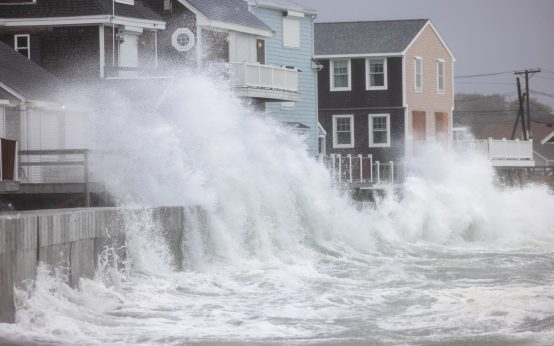 Nor’easter Threatens U.S. With Greater Impact Than Recent Hurricanes
  Malibu Residents Confront Fire Challenges with Community Spirit and Resilience
  Rapidly Spreading Fire Burns in Malibu
  Precautions Amid Southern California’s Challenging Weather Conditions
  Santa Ana Winds Threaten Southern California with High Fire Risk
  Southern California Faces Santa Ana Winds and Increased Fire Risk