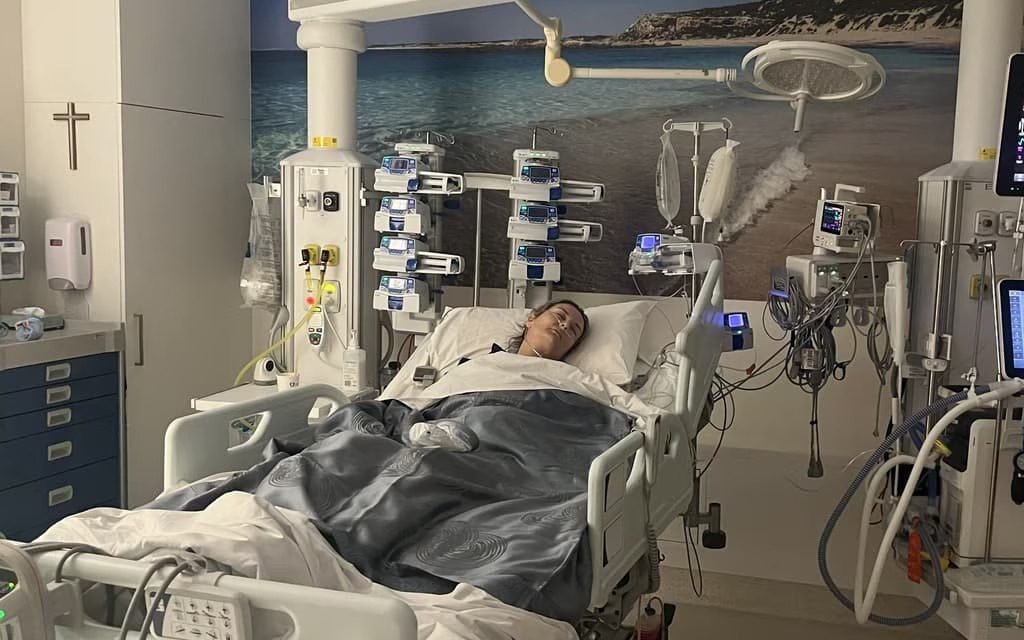
A 40-year-old mother, Helen Worthington, is confronting a life-threatening challenge after being suddenly diagnosed with Stage 4 bowel cancer. Worthington, a primary school teacher from Adelaide, experienced an unexpected abdominal pain in late August last year. At first, she suspected it might be gastroenteritis.
Despite her initial reluctance, Worthington visited a hospital, concerned about her symptoms. She even apologized for using medical resources, believing her condition wasn’t severe. Her symptoms swiftly led doctors to investigate further.
Medical staff at the hospital took her condition seriously and conducted thorough examinations. Worthington was initially thought to have a simple ailment, but results soon revealed the shocking diagnosis of advanced cancer. The disease had already spread to her liver.
“I spent a long time trying to work out how I had missed it. Other than feeling a little tired, I really had no symptoms,” Worthington recounted.
Worthington underwent emergency surgery to remove a section of her bowel and commenced chemotherapy. Yet facing the emotional challenge of informing her 12-year-old daughter, Molly, was daunting. The cancer carries a BRAF V600E mutation, indicating a more aggressive form of the disease.
Worthington is now focused on managing the cancer with chemotherapy. Her treatment continues as long as it shows positive results and her body tolerates it. Regular scans help monitor the disease’s progression.
The Role of Exercise in Cancer Treatment
Exercise has emerged as a crucial aspect of Worthington’s treatment plan. Encouraged by her sister-in-law, an oncology physiotherapist, she incorporated prescribed exercise into her routine. Initially sceptical about the impact, Worthington discovered it to be profoundly beneficial.
“Physically, I’ve become fitter and stronger,” Worthington explained. “Mentally, exercise gives me something I can actively do for myself during this process.”
The Clinical Oncology Society of Australia recommends including exercise in standard cancer care. Patients should aim for 150 minutes of moderate aerobic exercise or 75 minutes of vigorous exercise weekly, supplemented by strength-building sessions. This regimen can alleviate treatment side effects and potentially reduce cancer recurrence.
Despite these benefits, access to such exercise programs remains inconsistent. Lauren Whiting, an oncology physiotherapist, emphasized the importance of establishing proper systems to offer exercise as a routine component of cancer care.
“The challenge isn’t simply convincing people that exercise is beneficial,” Whiting stated. “It’s building the necessary infrastructure and referral pathways to ensure these services are accessible.”
A recent analysis by Deloitte Access Economics reported that every $1 invested in exercise physiology in cancer care yields approximately $3 in economic benefits. Creating consistent, accessible exercise programs could lead to significant improvements in overall patient care.
 Andrew Huberman Joins Hims & Hers Board to Guide Consumer-Health Strategy
 Increase in Infant Bleeding Cases as More Parents Refuse Vitamin K Shots
 Severe Smog Engulfs New Delhi After Diwali Celebrations
 Strategies for Muscle Preservation on GLP-1 Medications
 Insights from a Hospital Executive’s Journey Working ER Shifts
 Biden Reflects on Memoir and Health Challenges