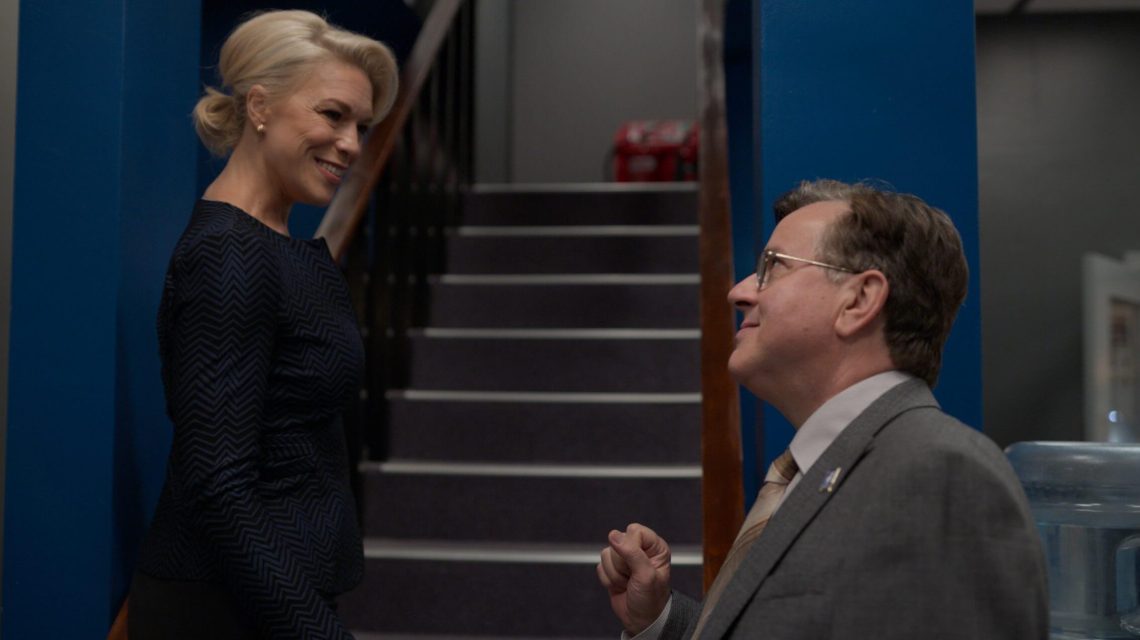
The latest episode of Apple TV’s “Ted Lasso” sparked discourse by portraying comments during the fictional AFC Richmond shareholders meeting. These remarks, viewed as dismissive of women’s soccer, resonate with long-standing skepticism toward the sport. Historically, many asked why invest in something perceived as unprofitable.
While the upper echelons of women’s soccer attract significant investments, the scenario further down the ladder is less optimistic. AFC Richmond owner Rebecca Welton and Leslie Higgins face obstacles funding a women’s team in season four of “Ted Lasso”. The show’s narrative, from delayed kits and inadequate locker rooms to sponsor acquisition struggles, mirrors reality.
It’s easy to assume these dramatizations are exaggerated, but they are rooted in fact. For instance, while Kansas City Current built a purpose-designed stadium, clubs like Blackburn Rovers face financial cuts. In the United States, Kansas City invested $140 million in a privately funded stadium, following an $18 million training center. Similarly, Arsenal moved into men’s stadiums for all matches, benefiting from increased revenue.
Actor Jason Sudeikis, inspired by his visits to Kansas City Current, depicts Richmond as a club facing genuine financial challenges. Richmond’s story aligns with numerous clubs globally seeking equitable facilities. At Parma, women enjoy year-round locker room access; however, many play at shared venues only fleetingly.
In “Ted Lasso”, Richmond’s women’s team trains at the men’s facilities, an unrealistic luxury. Former goalkeeper Arianna Criscione notes this disparity as few women train on equal pitches or facilities. Even the show’s depicted conditions contain privileges rare in reality.
Criscione recalls training at PSG, where the locker room offered personal items like magnetic name plates, contrasting with facilities designed for men elsewhere. This situation reflects how women’s teams historically were secondary priorities.
In England, the second tier of women’s soccer only became fully professional in the 2025-26 season. Previously, players balanced sports with other jobs. Renamed WSL2, the division still experiences financial vulnerability. Clubs like Blackburn were relegated due to their owner’s unwillingness to meet financial standards.
The divide between WSL and WSL2 highlights precarious financial investment needs. Owners like Richmond’s question whether investing in women’s teams is worthwhile, despite similar uncertainties in men’s soccer. Premier League financial struggles show broad profitability questions for sports organizations.
Women’s soccer slowly gains investment appeal, evaluated on media rights, sponsorships, and future potential. While profitability remains elusive, investor optimism persists, anticipating growth and eventual returns despite upfront losses.
Lori Lindsey, a retired midfielder, emphasizes consistent investment demands. Deloitte’s 2026 Football Money League reports €158 million ($185m) revenue from top women’s clubs in 2024-25, driven by commercial sources.
Richmond’s fictional debates illustrate real sponsorship challenges. Brands, like owners, bet on rapid audience growth. Arsenal’s decision to make Emirates Stadium their women’s team’s main venue followed demand, confirmed by record attendance figures.
Arsenal’s financial success, leading Deloitte’s 2026 Money League, exemplifies investment necessity. Despite losses, spending growth hinges on predicted long-term profitability. The data reflects escalating wage costs and the need for bold financial commitments.
Ted Lasso’s central theme revolves around investment belief—whether stakeholders anticipate women’s team value—a compelling insight into soccer’s financial dynamics.
 Prince Harry and Meghan Markle’s Reported Plans to Return to the UK: An Analysis
  Hollywood’s Shifting LGBTQ Representation
 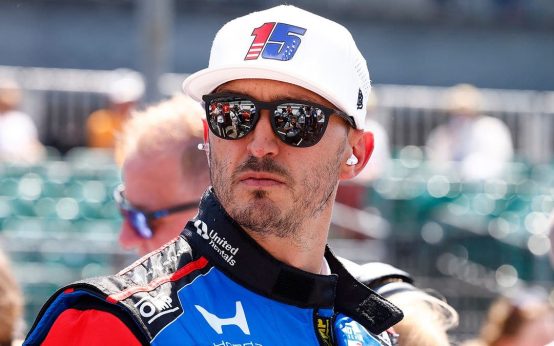 Graham Rahal Prepares for the Freedom Grand Prix in D.C.
 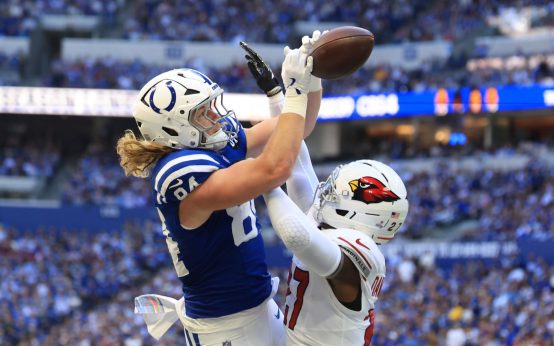 Analyzing the AFC South’s Tight End Rankings Ahead of NFL Season
 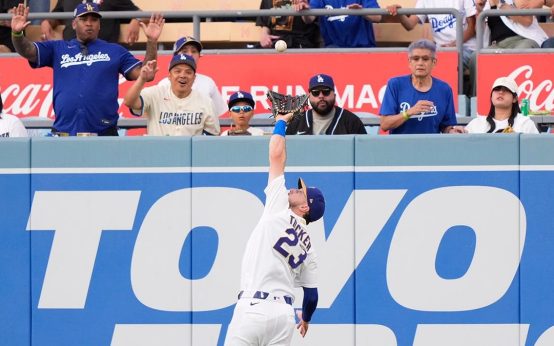 Los Angeles Dodgers: A Look into the Allegations and Financial Strategies
  Raiders’ Fernando Mendoza Faces Challenges in Preseason Game