Open Michigan Senate Seat Up for Grabs
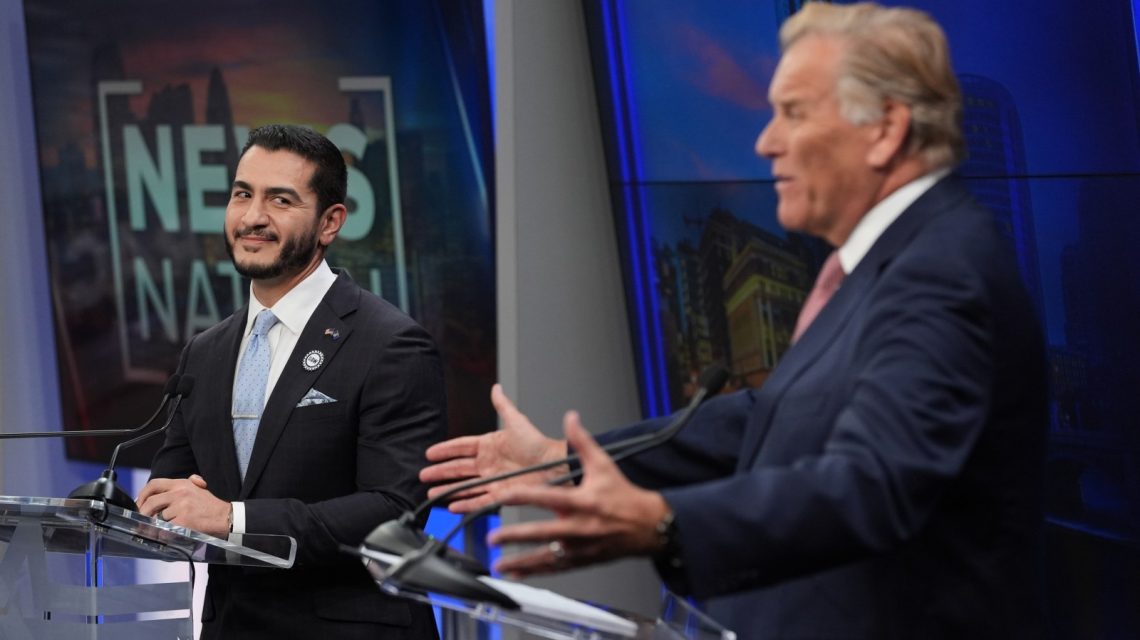
Republicans are eyeing a potential win in a Michigan Senate seat long held by Democrats. The seat became open after Democratic Senator Gary Peters decided against a third term run. This seat has been in Democratic hands since Carl Levin beat Republican Robert Griffin in 1978. Should former Representative Mike Rogers win, it would mark the end of a long Republican dry spell. The last Republican Senate victory in Michigan was by Spencer Abraham in 1994.
Polling and Race Dynamics
The race between Rogers and Democrat Abdul El-Sayed remains tight just weeks before Election Day on November 3. Recent polls show El-Sayed leading slightly, with most results within the margin of error. The Cook Political Report classifies this contest as a Toss-Up, crucial to determining Senate control come January.
Rogers nearly defeated now-Senator Elissa Slotkin in 2024 but faced no primary challenger this time, now carrying President Donald Trump’s endorsement. El-Sayed, backed by Vermont Senator Bernie Sanders, narrowly beat Michigan Representative Haley Stevens in the Democratic primary. Recent polls have fluctuated, with El-Sayed generally maintaining a narrow lead.
Historical Context
Michigan Senate races have leaned Democratic for nearly three decades, contrasting with presidential preferences which have alternated between parties. Rogers’ previous near-win against Slotkin encouraged the Republicans, earning him endorsements from notable figures such as Trump and Senate Majority Leader John Thune.
However, the Democratic primary demonstrated internal divides as El-Sayed, a progressive, won against the establishment-supported Stevens. This left some coalitions, particularly within Michigan’s Jewish community, expressing reservations due to his past statements on Israel.
Campaign Strategies and Endorsements
National Republicans have targeted El-Sayed, focusing on his Muslim faith in campaign attacks. An ad by the National Republican Senatorial Committee labeled El-Sayed as radical. Meanwhile, El-Sayed has faced personal attacks from Trump, which he publicly countered, highlighting the significance of representation and diversity.
On the campaign trail, Rogers has distanced himself from some presidential policies, especially on foreign relations and trade. El-Sayed emphasizes his opponent’s ties to Trump, focusing on local economic impacts.
Debates and Public Perception
The first debate was contentious, marked by personal exchanges that continued even during breaks. Rogers maintained his stance on Iran and Canada policies, while El-Sayed fended off questions about Israel and ties to controversial figures.
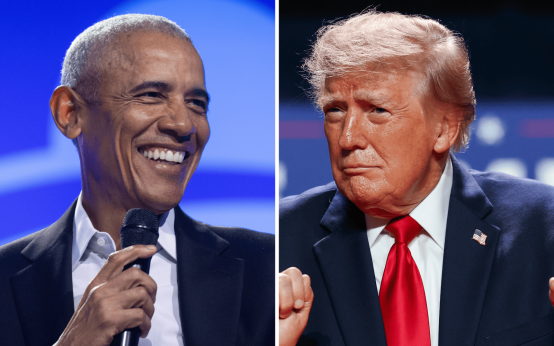
With El-Sayed trailing in funding, he has increased his media presence and campaign efforts. Support for him is coalescing, with events featuring Michigan Governor Gretchen Whitmer and an upcoming rally with former President Barack Obama.
Significance in the 2026 Midterms
The upcoming election is pivotal for Senate control. Republicans currently hold a 53-47 advantage with Vice President JD Vance as the tie-breaker. Democrats target several Republican-held seats, but Michigan remains their most vulnerable defense.
If Rogers secures the Michigan seat, Republicans could afford losses elsewhere while maintaining control. As absentee voting begins and early in-person voting opens statewide on October 24, voters will decide the outcome.
Responses from Newsweek editors Jenna deJong and Dave Siminoff are anticipated.
 Man Criticizes Trump at Ohio Rally, Network Cuts Feed
  Campaigns Intensify as Midterms Approach
  Elon Musk’s Political Spending in Midterm Elections
  Texas Senate Race: Talarico’s Strategic Moves Amid Political Challenges
  Trump Considers Firing Ambassador Guilfoyle Amid Allegations
  British Activist Warns of ‘Orwellian’ Society