Michigan Senate candidate Abdul El-Sayed has faced criticism for not denouncing Twitch streamer Hasan Piker. El-Sayed previously aligned himself with Piker, who made controversial statements, including claims that America deserved the 9/11 attacks and praising authoritarian China.
In the Democratic primary, El-Sayed sought Piker’s support to bolster his credibility. However, now in the general election, he distances himself from the streamer to appeal to a broader constituency, including Jewish voters who are unsatisfied with Piker’s comments on Israel. El-Sayed argues that the election should not hinge on his association with a Twitch personality based in California. Yet, this contrasts with his earlier decision to involve Piker in his campaign.
Democratic strategist Faiz Shakir came under scrutiny while attempting to argue that El-Sayed should not have to address his connection to Piker. Critics compare this situation to Donald Trump dining with Nick Fuentes, a comparison seen as invalid since Trump claims ignorance of Fuentes, unlike El-Sayed’s deliberate choice to associate with Piker.
The debate intensifies discussions about what qualities and viewpoints residents seek in their representatives. While Trump is not on Michigan’s ballot, the debate shifts to broader implications for state representation. El-Sayed represents a deviation from traditional political norms, positioning himself on the Democratic Party’s far-left spectrum.
Critics of El-Sayed’s connections question whether Democrats in power previously circumvented cancel culture when it suited them. The controversy encompasses a broader discourse on responses to public figures’ statements and the Democratic Party’s internal divisions.
Ultimately, the controversy suggests ongoing ramifications and potential challenges for Democrats aiming to balance diverse viewpoints within their ranks, as public sentiment increasingly influences election outcomes.
 Media Outlets Sue After White House Ban
  American Public Opinion on Press Freedom
  Media Lawsuit Against Trump Administration for White House Ban
  The Cost of Challenging Beijing
  Analyzing Midterm Elections and Party Dynamics
 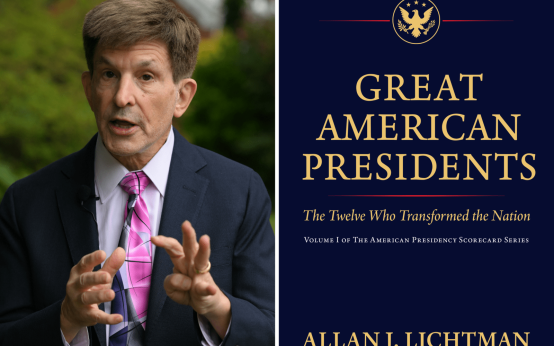 Allan Lichtman’s Framework for Assessing Presidential Greatness