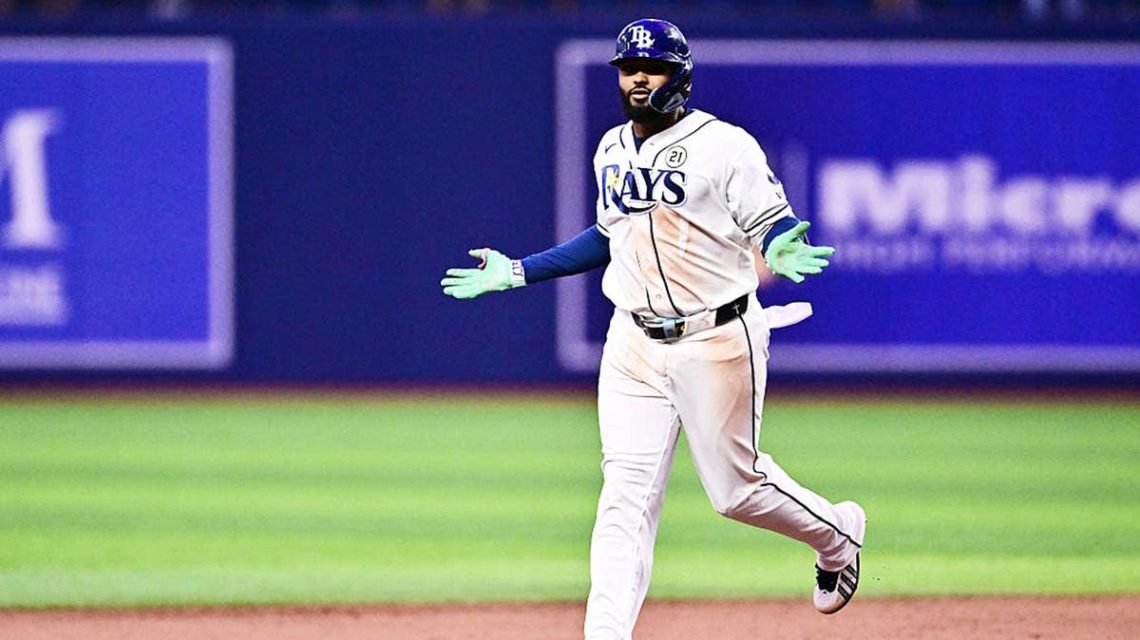
Throughout the 2026 Major League Baseball season, the spotlight was not solely on captivating storylines; rather, much of the focus shifted towards upcoming labor negotiations. As December approaches, along with the expiration of the Collective Bargaining Agreement, the discussions surrounding payroll disparities have gained prominence. The league’s owners have engaged in an advertising campaign aimed at gathering support for a proposed salary cap.
Beginning in June, the league’s official account released posts addressing fans’ dissatisfaction with current payroll disparities. These posts claimed that many teams lack ‘hope’ for a World Series win due to such discrepancies. The league’s stance suggested that a salary cap could level the playing field, similar to other major U.S. sports, where small market teams occasionally have a chance at victory. The proposal purports a 50/50 revenue share between the league and players.
The biggest issue baseball fans want solved to strengthen the game is fixing the payroll disparity that leaves too many fans without hope of their team competing for a World Series title.
This assertion, however, oversimplifies the situation. Many teams receive additional income not included in this split, creating doubts regarding the effectiveness of such a proposal. If the salary floor is feasible for teams in 2027, questions arise as to why it wasn’t achievable in 2026. Increased revenue sharing might not adequately bridge the gap for most small markets.
Interestingly, the postseason results have challenged the notion that high spending guarantees success. With teams like the Dodgers, Brewers, and Rays advancing in the league championships, the final rounds highlight how four of the five remaining teams rank in the bottom 11 in player payroll. The Cleveland Guardians, who possess the lowest payroll, are also contenders. The Rays, ranked 28th, defeated the Yankees, the big spenders, in a straightforward series sweep.
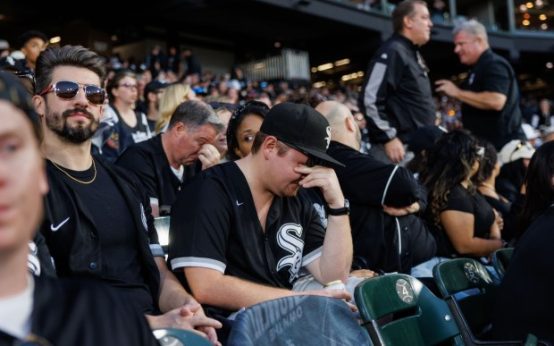
These outcomes beg consideration of the concept of ‘hope.’ Did Rays or White Sox fans genuinely expect World Series victories at the start of the season? Likely not. Chicago is still recovering from historically poor performances, while the Rays made minimal offseason changes to spark optimism.
Despite losing Freddy Peralta to the Mets, the Brewers achieved remarkable success with the 19th highest payroll. Contrastingly, the Mets’ roster acquisitions, including Marcus Semien and Devin Williams, failed to deliver expected results. Similarly, the Yankees endured a sweeping defeat despite additions like Cody Bellinger and top prospects.
This unpredictability is not new to baseball. Issues like injuries, player development, and unexpected performance shifts often influence outcomes as much as financial outlays. Historically, front offices that effectively manage resources tend to succeed, showcasing how money alone does not dictate triumph.
From 2010 onwards, the most League Championship Series appearances were by organizations adeptly utilizing their resources. This includes teams with varied payroll standings. The Dodgers boast eight appearances, but smaller market teams such as Kansas City and Cleveland have also reached the LCS multiple times.
Ultimately, 22 out of the 30 MLB teams have made the LCS, highlighting that while monetary advantages aid success, they’re not the sole determinant. The league’s narrative may underestimate the potential for most organizations to foster hope and achieve success, regardless of market size.
 Johnnie ‘DJ’ Jones’ Recovery After Heart Transplant
  WNBA Viewership: Indiana Fever’s Impact Compared to Semifinals
  Humans vs. AI: Week 5 NFL Betting Face-off
  Kevin Korchinski’s Position with the Chicago Blackhawks
  White Sox’s Unexpected Journey in the AL Division Series
  Oklahoma Dismisses Freshman Receiver Jahsiear Rogers