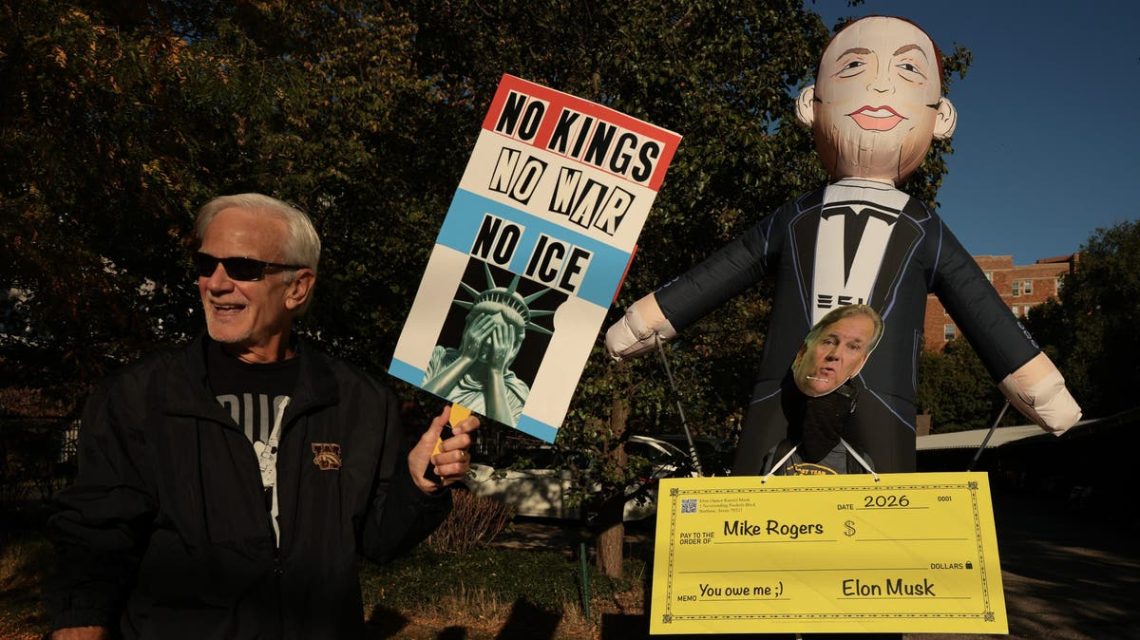
During a recent Michigan U.S. Senate debate, Republican Mike Rogers and Democrat Abdul El-Sayed engaged in a heated exchange. They tackled issues ranging from economic affordability and foreign policy in Iran, to U.S. support for Israel and personal financial dealings.
Debate Overview
The debate, held in Grand Rapids, marked the first time the candidates faced each other on stage before the upcoming election. Their conversation quickly shifted from discussing affordability to exchanging personal accusations. Rogers questioned El-Sayed’s medical background and accused him of misleading voters. El-Sayed countered by accusing Rogers of profiteering through corporate ties.
“He’s lying. So, he lied about being a physician. He lied now about being an Egyptian citizen or not being an Egyptian citizen,” Rogers asserted.
El-Sayed refuted these claims, emphasizing issues affecting voters. He critiqued Rogers’ potential alignment with former President Trump, questioning affordability for essentials like gas and groceries under Rogers’ policies.
Financial Disputes
The dispute extended to personal finances. El-Sayed accused Rogers of benefiting from corporate connections after his congressional service, mentioning his property in Florida. Rogers, denying yacht ownership, highlighted El-Sayed’s investments and alleged overseas property in the UAE. He also criticized El-Sayed for accepting funds from billionaires while claiming opposition to corporate PACs.
Policy Differences on Foreign Affairs
The candidates also debated foreign policy, particularly regarding Israel and Iran. El-Sayed expressed opposition to using taxpayer money for foreign military funding, including providing defensive weapons to Israel if attacked. In contrast, Rogers supported aiding Israel and accused El-Sayed of having ties to groups supportive of terrorism, which El-Sayed denied.
Regarding Iran, El-Sayed suggested diplomacy despite Iran’s nuclear capabilities, while Rogers emphasized curbing Iran’s nuclear ambitions.
Domestic Policy and Healthcare
On energy policy, El-Sayed advocated considering federal price controls on domestically produced oil. Rogers opposed this, proposing temporary gas tax relief and diesel rebates.
Healthcare remained contentious, with El-Sayed supporting Medicare-for-all but maintaining private insurance options. Rogers argued it would increase taxes and eliminate private coverage.
Electoral Context
The debate occurs in a tight Senate race, as shown by a Fox News poll indicating El-Sayed slightly leading Rogers. Both seek to fill the seat of retiring Democratic Sen. Gary Peters, with Republicans aiming for a seat flip while Democrats strive to retain it.
The debate reflected sharp contrasts in policies and personal accusations, illustrating the high stakes of the contest.
 Accountability for Presidential Actions
  Sean Duffy’s Modernization Request Needs Conditions
  ISMA Survey Reveals Increased Cynicism Among Harris Voters
  Conservative Networking at College Campuses
  Nebraska’s Approach to Candidate Assessment
  Democratic Rep. Gonzalez Criticized for Campaign Spending Amid Rival’s Accusations