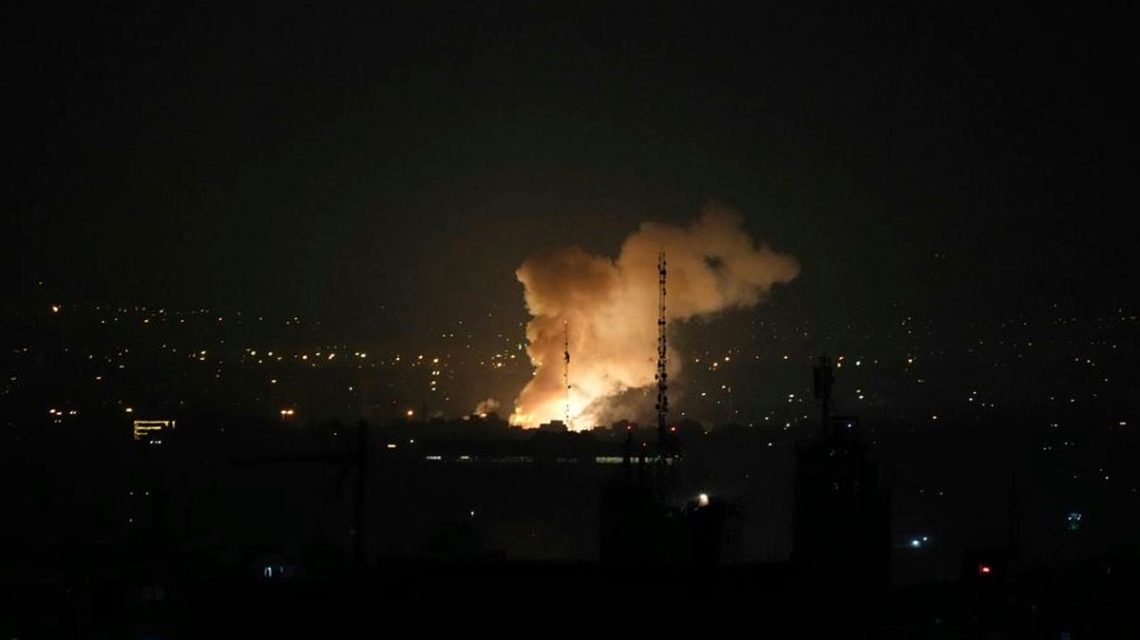
Peace talks between Iran and Israel face uncertainty after recent strikes by both countries. Fox News correspondents Max Gorden and Lucas Tomlinson report on President Donald Trump’s appeal for an immediate ceasefire. Retired U.S. Marine Col. Mike Jernigan discusses the ongoing negotiations on ‘America Reports.’
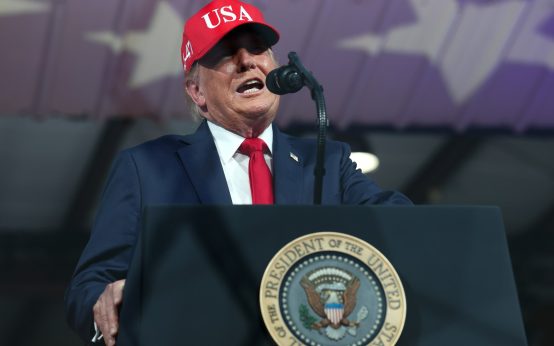
President Donald Trump remains optimistic about reaching a final nuclear agreement with Iran despite slow progress in diplomatic talks. Disputes over uranium enrichment and a fragile ceasefire pose challenges. Trump stated, “We’re in the final throes of what will be a very, very good deal,” suggesting an agreement could occur in two or three days.
Throughout the past months, Trump hinted that a deal was imminent, though core disputes linger. Following the start of Operation Epic Fury, Trump has declared a deal was nearing completion at least 38 times, according to CNN. Discussions continue to stall on issues such as uranium enrichment and sanctions relief.
Administration officials and analysts suggest economic pressures on Iran, the existing ceasefire, and the costs of renewed conflict contribute to Trump’s confidence that diplomacy can succeed. High-stakes talks between Trump and Israeli Prime Minister Benjamin Netanyahu are planned at the White House to address Iran and Gaza.
Former National Security Council official Michael Singh believes Trump’s confidence reflects his style and a mutual lack of determination by Washington and Iran to abandon diplomacy. Singh notes that projecting optimism is characteristic of Trump. Despite recent military exchanges between Israel and Iran, there appears to be a lack of real alternatives being pursued.
The ceasefire agreement announced on April 7 now seems unstable following exchanges of fire between Israel and Iran, prompting Trump to call for restraint. He warned that further escalation might harm negotiations. Both parties have shown interest in avoiding escalation, with Israel agreeing to hold fire and Iran halting recent attacks unless further provoked.
Michael Singh noted that the deadlock in negotiations is largely due to disagreements over Iran’s nuclear program. Analysts suggest economic pressure on Iran might push it to reconsider its position. Miad Maleki, a senior fellow at the Federation for Defense of Democracies, argues that Iran faces economic and diplomatic challenges, risking collapse due to sanctions and internal strain.
The Trump administration argues that Iran must not continue uranium enrichment, viewing even civilian capabilities as pathways to nuclear weapons. Iran insists on its right to enrich uranium for peaceful purposes, resisting permanent halts to enrichment activities.
Disputes over Iran’s uranium stockpile remain unresolved. Before inspection visibility was lost, the International Atomic Energy Agency estimated Iran had around 440 kilograms of uranium enriched to 60% purity, near weapons-grade levels.
Ongoing conflict has impacted global energy prices and shipping. Moody’s Analytics estimates American households face increased costs of $100 billion over three months due to rising fuel and transportation expenses. The U.S. military enforces a naval blockade in the Strait of Hormuz, even during the ceasefire.
Trump’s confidence coexists with public disagreements with Netanyahu over handling Iran. Trump recently suggested Netanyahu must accept a U.S.-brokered deal. Ehud Eilam, a former researcher for Israel’s Ministry of Defense, emphasizes the shared goal between Israel and the U.S. to prevent Iran from becoming a nuclear power, though strategic differences exist.
U.S. military aid provides leverage for Trump’s administration to influence Israeli decision-making, enabling the potential advancement of a nuclear deal with Iran.
 Sen. Rand Paul Criticizes Trump’s Proposed Financial Plan Amid Rising National Debt
  U.S. and China to Discuss AI Transparency
  Arrests Over Kempton Park Killings in South Africa
  Fraud Investigation of Autism Center Raises Questions for Minnesota Senate Candidate
  Gen Z Voters and Their Impact on the 2026 Midterm Elections
  Don McCullin’s Final Book: A Pioneering War Photographer’s Legacy