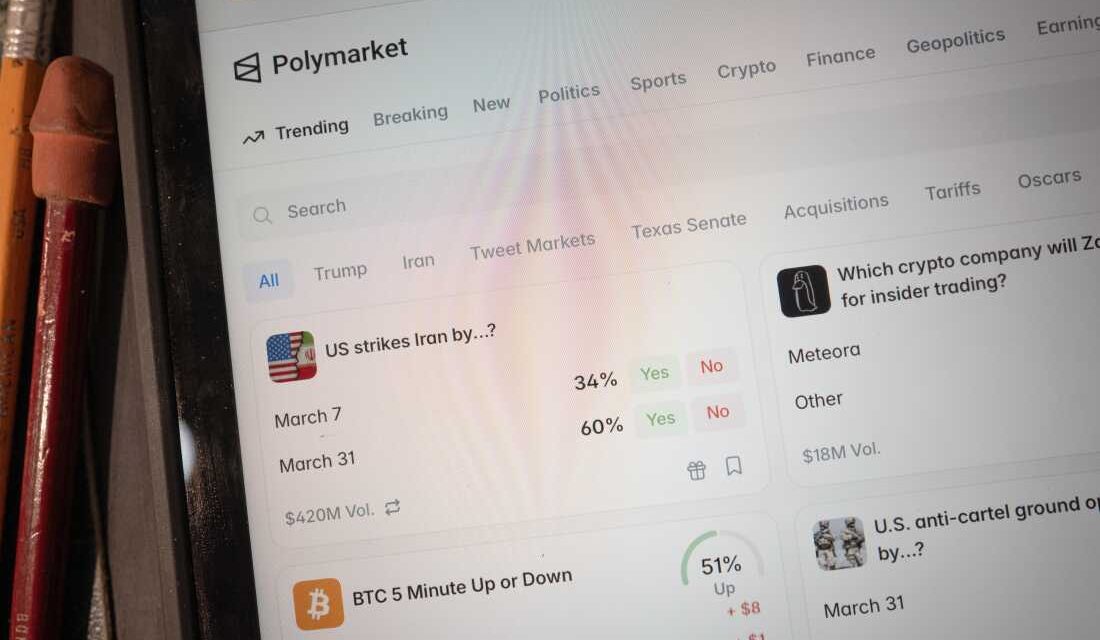
Insider trading poses significant challenges. The issue becomes evident when individuals gain from confidential information. An example involves an American soldier reportedly using such information to amass over $400,000 from an initial $33,000. Additional profits arise from strategic bets made on platforms like Polymarket, focusing on events such as potential U.S. bombings in Iran or the capture of Venezuela’s Nicolás Maduro. For Congress members privy to similar details, wagering seems illegal. The complexity here lies in how Polymarket operates.
A U.S.-regulated front-end masks its main activity. The core operations occur on an anonymous, crypto-based international platform. This structure creates difficulty in identifying bettors. To tackle this, U.S. Democratic Senator Richard Blumenthal proposed legislation requiring such markets to mimic regulated sportsbooks like FanDuel and DraftKings. If successful, this could reduce anonymity and curb insider trading. Despite the anonymity offered by cryptocurrencies, transactions are stored permanently on blockchains.
Listen to the full episode for more revelations about this topic.
Electricity Demand in Texas: A Growing Challenge
The demand for electricity in Texas is increasing rapidly. Oncor, a major utility in Texas, foresees 122 GW demand in five years. Currently, Texas’s ERCOT grid can deliver up to 85 GW, requiring a 143% increase to meet the forecasted demand. Jon Wellinghoff, former FERC chairman, notes typical growth is below 2% yearly, making a 143% rise unprecedented.
A case in El Paso highlights this issue, where a 5-GW project dwarfs the region’s typical 840 MW output. Meeting this demand seems difficult. Grid slack might allow a 10-20% increase, not over 100%. Wellinghoff doubts the demand will fully materialize, as competitive pressures and local opposition have led developers to cancel multiple projects. Community resistance has seen at least 20 data centers halted this year.
Impact of School Start Times in California
A 2022 law in California adjusted start times for middle and high schools. Researchers assessed its effects on mental health, sleep, and academic performance. Findings reveal students enjoyed more sleep, with boys showing notable mental health benefits. Math and English scores improved, especially among Hispanic and economically disadvantaged students.
Indigators, unfamiliar with U.S. school schedules, find pre-7:30 am starts surprising. Adjusting start times might boost performance without extra spending. The data suggests this approach is effective in enhancing student outcomes.
 Supporting Child Mental Health: The Role of Home Environments
  Efforts to Restrict Voter Registration Funding Trigger Concerns for Nonprofits
  News Outlets Fight White House Ban in Federal Court
  Michigan Senate Candidate Questions Football’s Ethics and Safety
  The Department of Homeland Security Urges Migrant Caravan to Avoid U.S. Border
  The Impact of College Rankings on Less Prestigious and Less Wealthy Schools