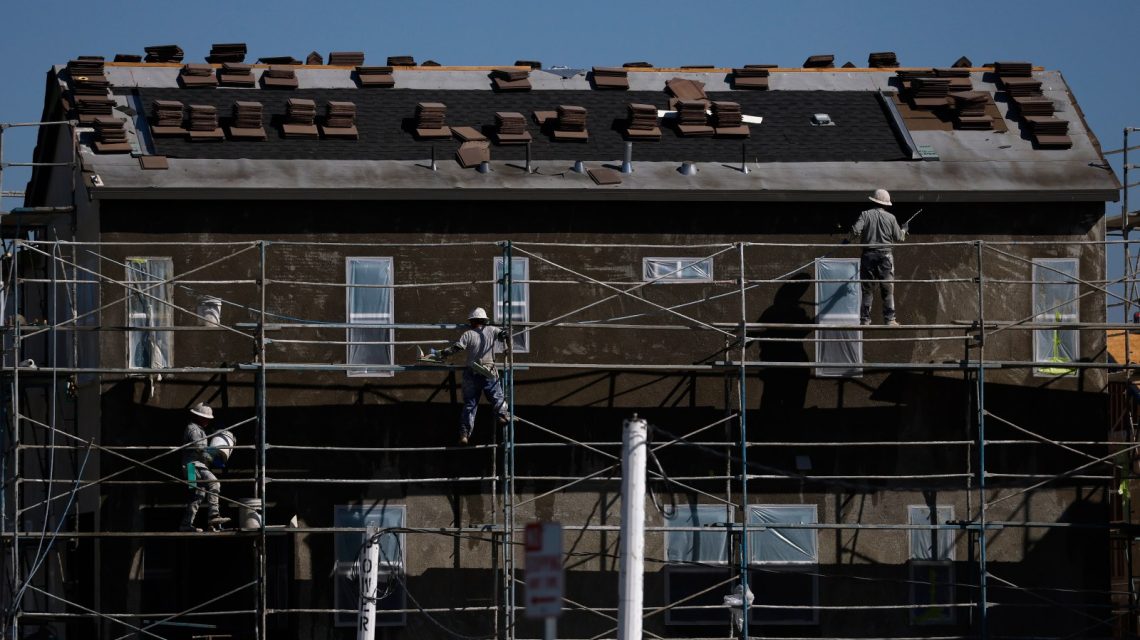
Homeownership Challenges Across the U.S.
Many Americans feel that owning a home is increasingly unattainable today. Rising housing costs since the pandemic have led to widespread concerns about affordability. However, in the Midwest, the dream of homeownership remains alive.
Midwest Leads in Housing Accessibility
According to Newsweek, the Midwest dominates the list of states where housing is most accessible. Their analysis included 33,772 ZIP codes, assessing housing access through a combination of factors. These factors determine the feasibility of homeownership for households with average incomes.
Top Midwest States for Housing Affordability:
- Iowa: 52.0
- West Virginia: 51.6
- South Dakota: 49.6
- Indiana: 48.8
- Kansas: 48.7
- Michigan: 48.4
- Nebraska: 48.0
- Missouri: 47.7
- Maine: 47.4
- Ohio: 47.4
Coastlines Face Higher Housing Costs
Regions on the coasts have seen soaring prices. These areas have lower housing access scores, reflecting their higher costs.
Lowest Housing Access Scores:
- District of Columbia: 12.5
- Hawaii: 16.2
- California: 16.6
- Nevada: 26.2
- New York: 26.8
- Oregon: 28.4
- Massachusetts: 30.1
- Washington: 30.5
- Colorado: 31.2
- Florida: 32.2
Understanding Midwest Housing Affordability
Lower demand in the Midwest contributes to its affordability. Chen Zhao from Redfin explains that fewer people seek homes in the region due to limited job opportunities, keeping prices low.
The Midwest did not experience the steep price increases seen in other regions during the pandemic. Remote work fueled home-buying surges in places like Florida and Texas but not in the Midwest. Consequently, home prices remained affordable compared to national trends.
Regional Price Differences
In June 2026, median home sale prices in states like Iowa, Indiana, Kansas, and Ohio were under $300,000. In contrast, many Northeast and West coast markets had prices exceeding $400,000. Nationally, home prices rose 51% from 2019 to 2025, with the Northeast seeing nearly a 66% increase.
Midwestern incomes are not significantly higher than elsewhere. However, cheaper housing means smaller down payments and better affordability for buyers.
Impact of Homebuilding Constraints
High home prices on the coasts result from limited housing stock and high demand. The Midwest faces fewer geographic constraints and stricter zoning, allowing for expansion when demand rises.
While Southern and Western states lead in new building permits, lower demand in the Midwest creates a balanced market. This relative affordability offers hope to many households wanting to avoid the high costs seen elsewhere.
Despite affordability, existing home sales vary. Sales rose in some regions, reflecting differences in buyer preferences and market conditions.
 Historic Church Transformed Into Los Angeles Boutique Hotel
  Amazon Offers Discounts to Employees at Whole Foods
  Hidden Fees in Real Estate Transactions: A Growing Concern
 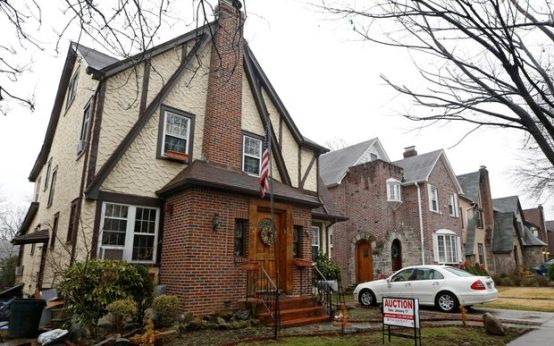 Trump’s Childhood Home Sells for Nearly $2 Million After Renovation
 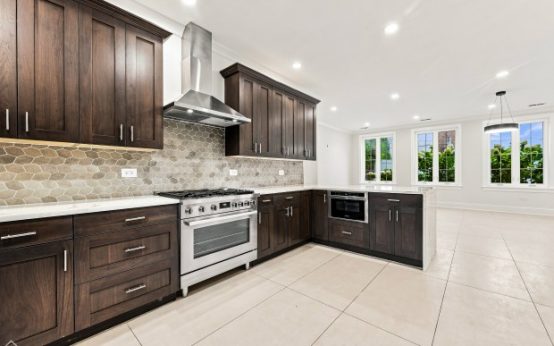 Luxury Five-Bedroom Home with Rooftop Deck in Edgewater
  Trump’s Housing Affordability Agenda Faces Challenges