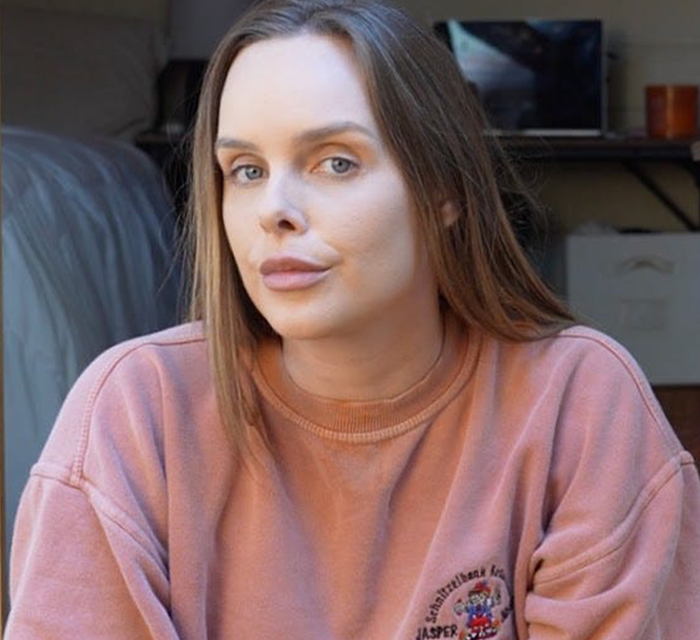
Lauren Patton, at 36, made a significant lifestyle change. She transitioned from her Chicago residence to a tiny home she built in her backyard in Texas. This decision came during a booming real estate market in 2022, with homes in Central Texas selling rapidly. Using Instagram to find a real estate agent, Patton purchased a modest bungalow of about 1,000 square feet for $400,000. Despite the manageable size, her monthly mortgage payment was $4,000 due to a small down payment.
Patton’s career in tech and data science promised growth. However, a wave of layoffs in early 2023 affected her unexpectedly. She faced unemployment shortly after returning from a trip to South Africa, leaving her with a two-month severance package.
Financial Challenges and a Need for Change
Initially, Patton coped with relaxation and family time. She was optimistic about securing a new job due to her experience as a data science manager. Unfortunately, as time passed, her job hunt yielded no results. With dwindling savings and increasing credit card debt, she filed for unemployment and began renting her home on Airbnb.
Life became more challenging as she had to rent a room elsewhere and eventually relied on friends’ couches. Her financial struggles led her back to a former accounting job but at a lower pay rate. She feared foreclosure, being 30% underwater on her home loan, and having seen her property value decline.
Embracing a Tiny Home Lifestyle
Patton decided to build a small structure in her backyard. With limited carpentry skills, she purchased a cabin-style shed kit costing $8,500, taking on a loan. She moved back into her primary house temporarily, offsetting mortgage costs by renting a room for $1,200 per month.
The shed, measuring approximately 100 square feet, came with wooden materials and large windows but lacked a roof or flooring. Patton constructed the basics, including an outdoor shower and fences, using online resources and assistance from ChatGPT, despite some misguidance.
Living in the Tiny Home
By March 2025, the shed was functional, yet Patton continued to make adjustments. Living in it meant downsizing and facing emotional and physical challenges. Her living space includes essentials like a bed and a desk, but amenities are minimal, including a small fridge and no running water.
Maintaining the space involved managing humidity with a dehumidifier and frequently restocking essentials. Despite the challenges, Patton’s main household generates income through Airbnb, although it doesn’t cover her entire mortgage. Higher home insurance costs further strained her finances.
Reflections and Future Plans
Patton reflects on her earlier home buying decisions. She recognizes the lack of research and awareness of financial risks for first-time buyers. Her home, nearly a century old, demands frequent repairs, stressing the importance of being realistic about expenses and income expectations.
Despite these experiences, Patton seeks stability. Her Instagram presence, sharing her journey, has grown impressively. Although not yet profitable, her social media outreach offers support and inspiration to others facing similar challenges.
Currently engaged in a data analytics project and dog walking, Patton is determined to overcome financial woes. She aspires to offer her tiny home as affordable housing and return to living in her main property once conditions allow.
 US Office Market Faces Growing Challenges Amid Rising Rates
 Kim Kardashian’s Former Home Listed for $8.5 Million
 Challenges in the Current Housing Market
 U.S. Home Prices Decline for First Time in Three Years
 U.S. Home Prices See Notable Decline After Three Years
 U.S. Housing Market Trends: Home Prices Drop, Rents Rise