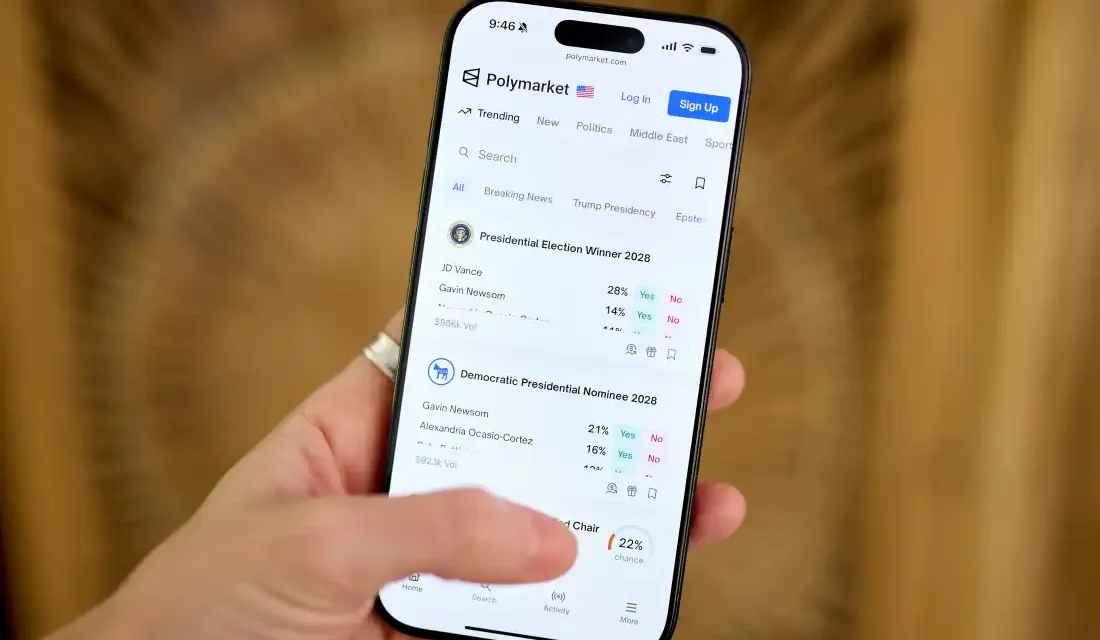
Prediction markets, such as Polymarket and Kalshi, have gained significant popularity during Trump’s second term. These platforms have become hubs for betting on various outcomes, especially elections.
Shana Bautista, head of global intelligence and investigations at Polymarket, reported that the company has scrutinized ‘dozens’ of bets related to the midterm election. Two of these investigations were referred to the U.S. Commodity Futures Trading Commission. The focus is on election insider trading and manipulation.
The growth of prediction markets like Polymarket and Kalshi has been rapid. However, these platforms face legal challenges from states and criticism from lawmakers who argue that election betting could jeopardize democracy. In April, Kalshi prohibited political candidates from betting on themselves and issued fines. NPR highlighted instances where campaign staffers profited using insider information on platforms like Polymarket and PredictIt.
Bautista, a former FBI official and cryptocurrency analyst, has a 16-member team and a new election surveillance system to monitor election bets before the Nov. 3 midterms. She emphasized the importance of protecting sensitive information, stating, “It’s explicitly against our terms of use and the law.” She joined Polymarket in June and oversees both the U.S.-regulated platform and the unregulated Polymarket International.
Despite the perception of anonymity, Bautista noted that crypto trades are rarely fully anonymous. Her surveillance system collects substantial data from various sources. If a user triggers enough internal red flags, Bautista receives an alert.
When explaining the detection process, Bautista did not disclose specific criteria for security reasons. However, she mentioned that insider trading and manipulation methods are consistent across financial markets. Bautista’s team adapts these methods to detect suspicious activities in prediction markets.
In May, Kalshi announced an election surveillance system using FEC data. This system aims to block campaign staffers from betting on elections. Despite this effort, some staffers found ways to circumvent these measures.
Rajiv Sethi, an economics professor at Columbia University, highlighted the unique vulnerabilities of election prediction markets. He warned they could become self-fulfilling prophecies, where public belief could influence the actual outcome.
Bautista’s team constantly learns from past cases to prevent manipulation. They study patterns like multiple account openings and similar device IDs across trades to improve detection.
Despite the prediction markets’ growth, the federal regulator, the CFTC, has been mostly hands-off, leaving the monitoring to the platforms themselves.
 Struggles with Social Media Beauty Filters for Kids and Teens
 Impact of AI on Workplaces Explored by Anthropic
 Challenges Facing Social Media Platforms in 2026
 Remote Work and Social Connections
 Explore Apple’s First Smart Home Display: Apple HomeView
 Organize Photos on Your Smartphone with Ease