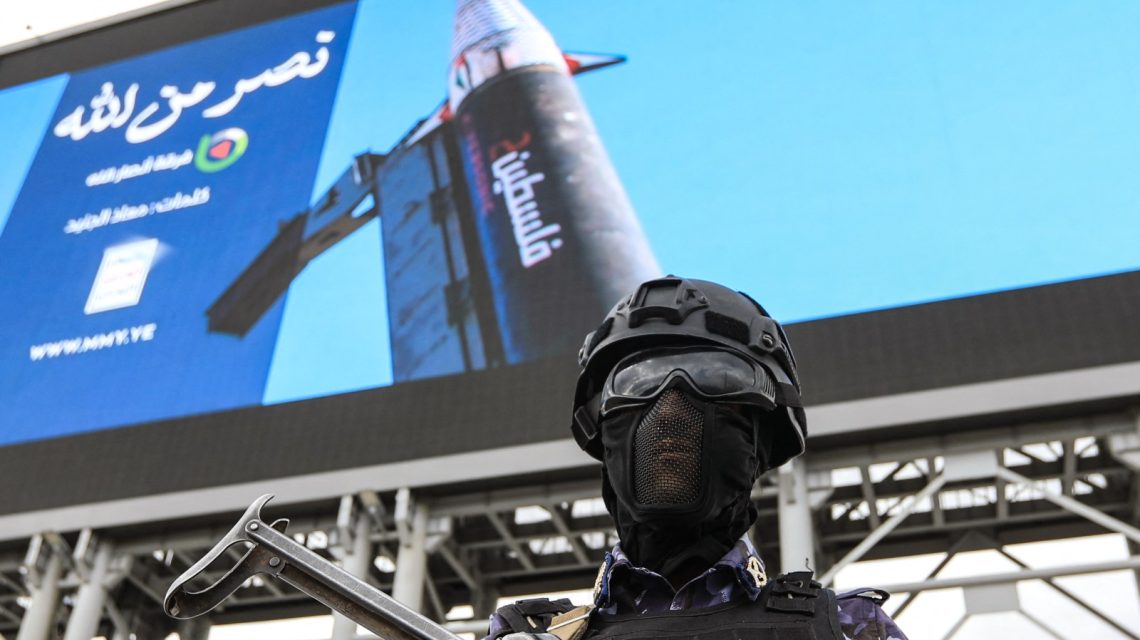
Global energy markets face instability due to U.S. and Iranian blockades affecting the Strait of Hormuz. Yemen’s Ansar Allah movement, known as the Houthis, has escalated tensions by threatening a “total ban” on Israeli ships in the Red Sea. This move risks significant disruption to global trade as Iran and Israel engage in ongoing conflicts, despite U.S.-led diplomatic efforts.
The economic impact is substantial. The previous Houthi campaign reduced traffic through the Suez Canal by around two-thirds. This forced ships to take longer and costlier routes via southern Africa. The campaign spanned about two years, from October 2023 to October of the following year, during the Israel-Hamas ceasefire. Now, with renewed Israel-Iran hostilities, the Houthis, backed by Hezbollah, seem ready to intensify actions.
“Yemen stands firmly against Israeli aggression,” a source from Ansar Allah informed Newsweek. The group criticizes Israel and the U.S. for prolonging regional instability. “We will not allow the suffering of our people to continue because of this unjust siege,” the source stated.
Iran-Israel clashes worsened when Iran fired missiles following Israeli strikes on Hezbollah in Lebanon. Despite ongoing U.S.-Iran negotiations initiated by President Donald Trump on April 8, tensions persist. The Israeli Prime Minister, Benjamin Netanyahu, has expanded military operations in Lebanon, seeking to defeat Hezbollah decisively.
Reports revealed a confrontational exchange between Trump and Netanyahu, with Trump opposing further Israeli strikes. After Israeli attacks on Beirut, Iran retaliated with missile strikes against Israel. Recently, Ansar Allah targeted “sensitive military sites” in Tel Aviv, though these were intercepted by Israeli defenses.
The reemergence of another blockade along the Red Sea could severely impact international trade. Larger tankers rerouting via South Africa’s Cape of Good Hope incur up to $1 million in extra costs and weeks of travel time. These expenses may increase as oil and gas shipping costs rise amid Iranian transit fees and insurance premiums.
The White House faces pressure with potential trading setbacks. The U.S. previously attempted to weaken Ansar Allah’s Red Sea presence through military action, which led to a ceasefire. Despite this, the Houthis maintain a stronghold over vast portions of Yemen, including the capital, Sanaa.
Saudi Arabia, supporting Yemen’s recognized government, hasn’t launched major operations against Ansar Allah since a U.N.-brokered ceasefire in April 2021. The focus shifted to dismantling a southern separatist group backed by the UAE. Before the truce, Ansar Allah attacked Saudi Arabia and the UAE with drones and missiles. In recent times, the region, including all Gulf Cooperation Council states, seeks de-escalation amidst rising tensions.
 Secretary Rubio Discusses Middle East Conflict and NATO Relations
  Israeli Leader’s Upcoming U.N. Assembly Speech Marked by Controversy
  United States Secures Arctic Defense Pact
  Trump’s Engagements at the UN: Focus on Ukraine and White House Developments
  Trump Administration to Admit 17,500 Afrikaner Refugees from South Africa
  Trump’s Vision for Global Security: Iran, AI, and the Role of the U.S.