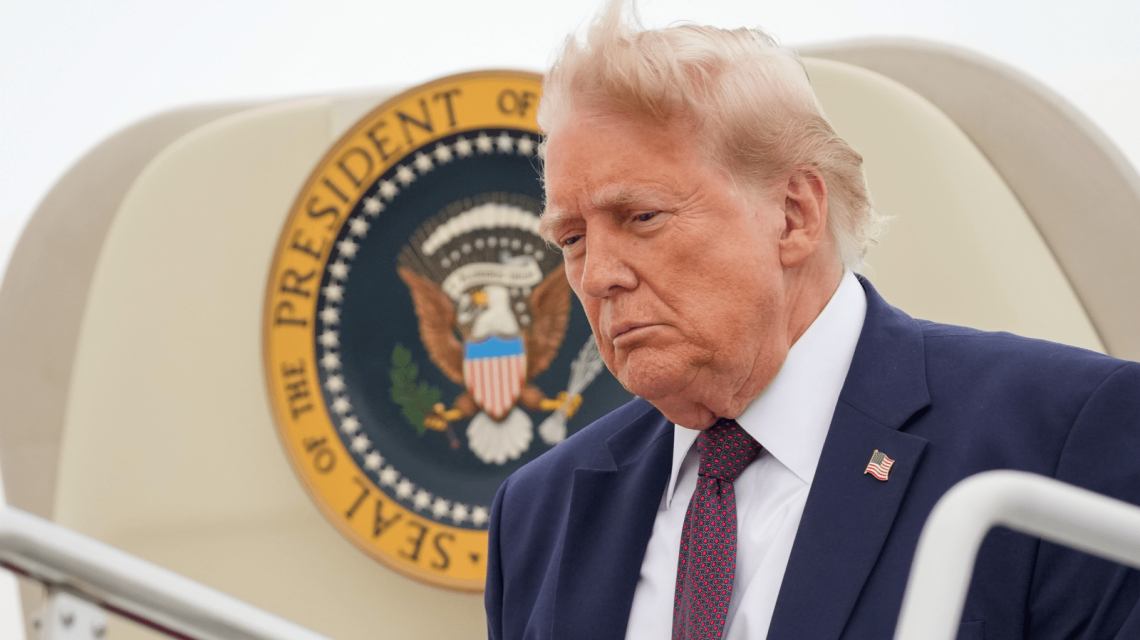
A recent global survey highlights a continuing lack of confidence in President Donald Trump worldwide. However, some countries, including Israel, Nigeria, and the Philippines, exhibit positive views. The survey, conducted by Pew Research Center, involved 42,151 participants from 36 nations between February 8 and May 13.
Only 23 percent of respondents expressed confidence in Trump’s global leadership. This reflects a disconnect between U.S. influence and public trust amidst ongoing geopolitical crises. Countries affected by American foreign policy are reassessing the U.S.’s reliability as a leader.
White House spokeswoman Olivia Wales stated via email to Newsweek that Trump’s leadership had “restored American strength at home and abroad.” She cited “nine global conflicts ended,” the return of detained Americans, and military actions against Iran and Venezuela as achievements of the Trump administration.
The countries showing the highest confidence include the Philippines (68 percent), Israel (66 percent), and Nigeria (65 percent). Ghana and Kenya also show comparatively high support. Israel consistently ranks high due to favorable views of Trump’s policies. In Nigeria and Kenya, religious differences contribute to the high averages. The Philippines remains supportive due to its acceptance of assertive U.S. leadership.
Regions of Low Confidence
In the Middle East and Europe, confidence in Trump is low. Turkey and the Palestinian territories show particularly low support, often in single digits. These regions, directly impacted by U.S. foreign policies, exhibit high levels of skepticism.
Perceptions of the U.S. Declining
The survey also found a global median of 37 percent favorable views of the U.S., with 57 percent expressing unfavorable opinions. Countries like Indonesia, Italy, and South Korea are recording sharp declines in favorable perceptions.
Trends Since Biden’s Presidency
Since 2021–2022, perceptions have worsened, with significant drops in Canada and across Europe and Asia. While confidence in Trump is low, it remains higher than the lowest points of his first term. Western European countries show slight improvements compared to the end of Trump’s initial presidency, indicating a U-shaped trend in public opinion.
Influence of Foreign Policy
The survey was conducted during geopolitical tensions, including the war with Iran. Majorities disapprove of Trump’s approach on multiple key issues:
- Iran: 74 percent disapprove
- Gaza: 76 percent disapprove
- Tariffs: 77 percent disapprove with low approval in major economies
- Venezuela: Only 22 percent approve
Trump’s strongest area is international humanitarian aid, where a median of 37 percent approve. Support is higher in middle-income countries like the Philippines (66 percent) and Kenya (65 percent).
Erosion of Global Trust
Beyond leadership ratings, there is a shift in global perceptions of the U.S. More people doubt its contribution to global peace, consideration of other countries’ interests, and the viability of its democratic model. These changes indicate a systemic decline in U.S. soft power.
Future Implications
The survey’s results suggest a fragmented international landscape. The U.S. may face increasing polarization, where influence depends more on region and specific issues than on widespread trust.
 U.S. Military Expansion in Greenland
  The Autocratic Age: A Closer Look
  Venezuelan Migrant Arrest in Texas Sparks Outrage
  Senator Calls for Halt in Diesel Exports Amid Rising Fuel Costs
  Investigation into Far-Left Groups Organizing Protests
  Deadly Dispute Over Beach Chairs in Greece