
The federal government has introduced a significant shift in how it evaluates outcomes in higher education. For the first time, all programs involved in the federal student loan initiative must now be accountable for the earnings of their graduates. This change marks a crucial step in ensuring that academic institutions align more closely with the economic needs of learners and the broader economy.
By focusing on practical skills and knowledge, education providers can better prepare students for the workforce. This approach is expected to improve not only individual success rates but also contribute positively to economic growth by producing graduates who are ready to meet industry demands.
The Hill, a nonpartisan publication, emphasizes the importance of understanding governmental workings, especially the intersection of politics and business, in relation to these new educational outcomes. The refinement of accountability measures within education aims to enhance the effectiveness and relevance of learning institutions nationwide.
 Nikole Hannah-Jones Reflects on Educational Choices for Her Daughter
  The Rising Trend of GLP-1 Medications Among College Students
  Seton Hall National Security Graduate Fellowship Provides Hands-On Experience
 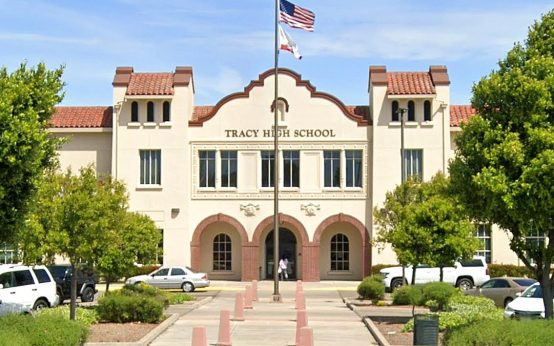 California High School Coach Arrested Over Secret Recording in Locker Room
  Student’s Coffee Incident Sparks Policy Review in New York School
  Hillcrest High School’s Academic Success in 2026-27