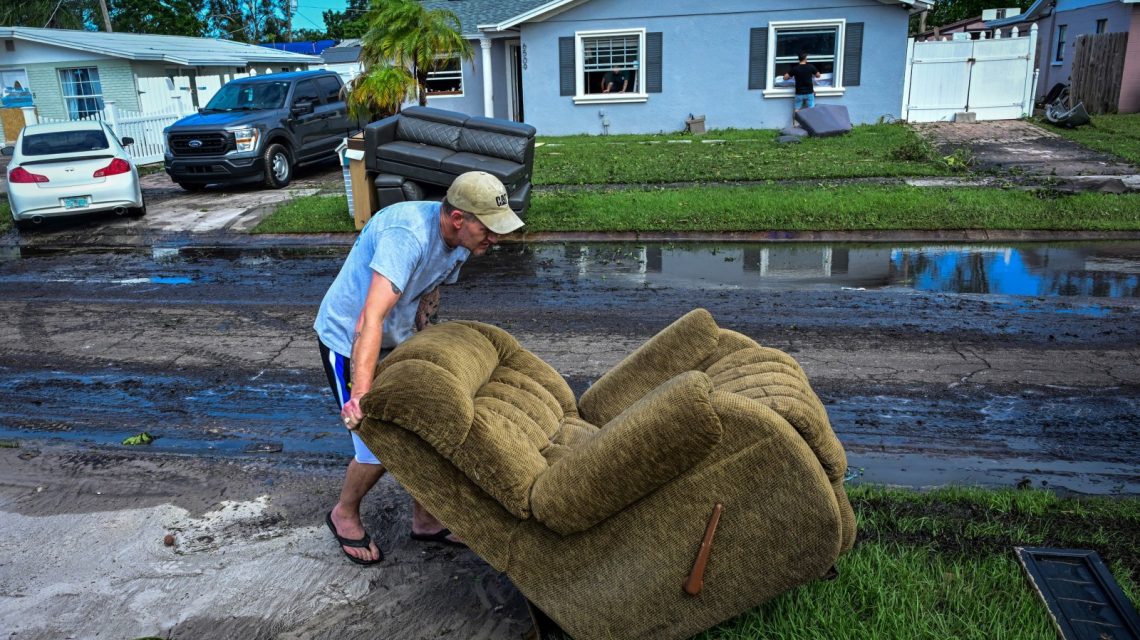
Florida experienced a significant drop in property insurance claims and lawsuits following major tort reforms initiated by lawmakers in 2022 and 2023. Despite this, homeowners in the state continue to pay the nation’s highest premiums. At the height of the insurance crisis during the pandemic, Florida accounted for approximately 76-80% of all homeowner insurance lawsuits nationwide, even though it filed only about 7-8% of the country’s total insurance claims, as reported by Insurance Business.
Experts highlighted that excessive litigation and widespread fraud significantly contributed to private insurers reducing coverage and leaving the state. Their profits couldn’t match the rising costs and risks. To rescue Florida’s private home insurance market, lawmakers passed reforms aimed at reducing litigation incentives. These included establishing bad faith standards, ending one-way attorney fees, and banning the assignment of benefits.
The approach proved effective. The Florida Office of Insurance Regulation’s (OIR) Property Insurance Stability Report for 2025 notes that the state accounted for under 5% of national claims and just over 41% of nationwide homeowner lawsuits. This marks a significant decrease from 9% and 79%, respectively, in 2020. Regulators credit the tort reform with a steady decline in home insurance premiums in Florida. Since 2024, 44 companies sought a rate decrease, while 48 requested a 0% rate change, according to OIR’s recent report.
Former Florida deputy insurance commissioner Lisa Miller stated, “The legislative reforms eliminated guaranteed one-way attorney fees for plaintiffs, which was a major incentive to sue as fees often far exceeded the claim amount. This had been costly for Floridians due to excessive and often frivolous litigation.” She commended the legislature and the Governor for protecting consumers’ interests.
Why Are Florida Premiums So High?
Despite the successes of the reforms, Florida homeowners still face high premiums. OIR data indicates premiums decreased in 51 counties. The average homeowner premium in Florida is now $3,750, including wind coverage, according to regulators. However, other estimates such as those from Insurify, suggest the annual cost for home insurance in Florida with $300,000 in coverage is $6,060, making it the highest nationwide, followed by Oklahoma and Louisiana.
Florida’s high coverage costs are attributed to the state’s exposure to risks, especially for properties near the coast. Since 2020, five hurricanes and three tropical storms have hit Florida, with Ian being notably devastating. Ian resulted in 158 deaths and $100 billion in damage, making it Florida’s costliest hurricane. The increasing frequency and severity of such natural disasters are linked to rising global temperatures.
As insurers bear higher costs, such as reinsurance rates, these expenses are transferred to consumers in the form of higher premiums. Florida isn’t alone in facing this crisis. Nationally, home insurance premiums rose by 46% since 2021, driven by natural disasters and rebuilding costs, outpacing inflation. The Consumer Federation of America estimated a national premium increase of 24% from 2021 to 2024, reaching an average of $3,303 annually.
Homeowners have expressed concern as they face increased insurance costs amid rising property prices and taxes. A Pew Research Center survey of 3,524 U.S. adults revealed that 71% of homeowners experienced an insurance cost increase, with 42% noting significant hikes.
Will Premiums Continue Rising—and What Can Stop Them?
Industry experts at Insurify project that home insurance premiums will continue rising through 2026. It falls upon state regulators and lawmakers to alleviate the financial strain on homeowners, who already face high living costs. The U.S. government is exploring solutions to mitigate the nationwide risk to homeowners.
Considerations include establishing a federal reinsurance backstop, essentially a public option to help insurers manage catastrophic risks. Other options include federally funded residential retrofits to bolster homes against disasters and expanding the U.S. Treasury’s role in identifying risk and coverage gaps through the National Catastrophe Risk Consortium.
 Historic Church Transformed Into Los Angeles Boutique Hotel
  Amazon Offers Discounts to Employees at Whole Foods
  Hidden Fees in Real Estate Transactions: A Growing Concern
  Trump’s Childhood Home Sells for Nearly $2 Million After Renovation
  Luxury Five-Bedroom Home with Rooftop Deck in Edgewater
  Trump’s Housing Affordability Agenda Faces Challenges