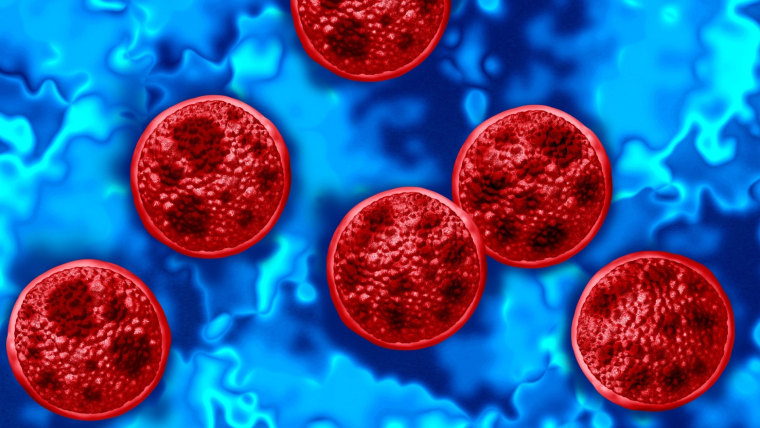
Flesh-Eating Bacteria Claims Life in Florida
A tragic case has occurred in Florida where a person succumbed to a flesh-eating bacteria infection. This incident highlights the risks associated with certain environmental conditions in the region.
Flesh-eating bacteria, scientifically known as necrotizing fasciitis, is a severe infection that destroys skin, fat, and tissue covering the muscles. The infection spreads rapidly and requires swift medical intervention.
Health officials advise taking precautions such as avoiding warm brackish waters, especially for those with open wounds or compromised immune systems. Immediate medical care is crucial if infections are suspected.
The Impact of Necrotizing Fasciitis
The condition can occur in various contexts, including marine environments and contaminated food sources. The Centers for Disease Control and Prevention (CDC) report that these infections, though rare, have a high rate of morbidity and mortality if untreated.
Those with weakened immune systems, chronic diseases, or open wounds are at higher risk. Symptoms include redness, swelling, severe pain, and fever. It’s essential to seek emergency care as these symptoms appear.
Prevention and Awareness
Individuals can mitigate risks by maintaining good hygiene and seeking immediate attention for skin injuries. The public is encouraged to stay informed about outbreaks and the possible presence of harmful bacteria in local waters.
Conclusion, this incident serves as a cautionary reminder of the potential dangers posed by flesh-eating bacteria, urging awareness and prevention.
 Medical Diagnosis Errors: Understanding the Crisis
  Lymphatic Drainage and Ice Sculpting: Emerging Wellness Trends
  The Rising Trend of GLP-1 Medications Among College Students
  The Challenges and Opportunities of Testosterone Therapy for Menopausal Women
  Concerns Rise Over NIPSCO Permit In Jasper County
  Long-Term Health Impacts of 9/11 and the Continuing Response