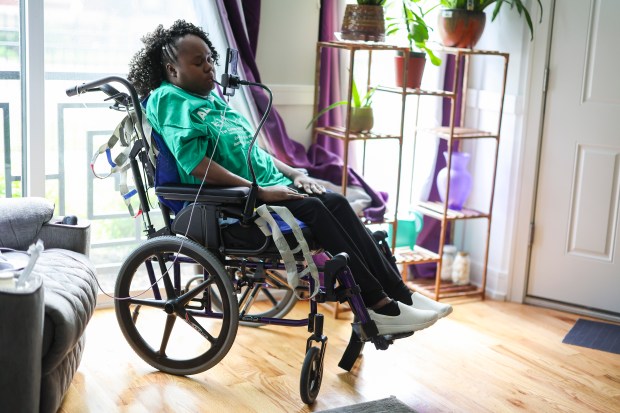
A lawsuit filed in federal court on Thursday challenges a new Illinois law that permits doctors to prescribe medication allowing terminally ill patients to end their lives. The law is set to take effect in September. The plaintiffs, including two disabled patients, a doctor, and various organizations, argue that the End-of-Life Options for Terminally Ill Patients Act undermines the doctor-patient relationship and the ethical duty to do no harm.
The lawsuit lists Democratic Governor JB Pritzker, the Illinois Department of Public Health, and its director, Dr. Sameer Vohra, as defendants. It claims the law violates federal statutes such as the Americans with Disabilities Act and the Affordable Care Act. The plaintiffs also allege the law infringes on equal protection rights under the 14th Amendment.
A similar lawsuit targets New York state officials, including Governor Kathy Hochul, as their medical-aid-in-dying law is set to commence in August. The Illinois lawsuit asserts that EOLA changes foundational aspects of doctor-patient relationships by allowing lethal prescriptions, replacing the obligation to do no harm with a system that enables assisted suicide.
The suit expresses concern over the lack of safeguards and objective criteria in the law, positing a shift from a ‘right to die’ to a potential ‘duty to die,’ especially impacting those with severe disabilities who may face undue pressure from insurers and healthcare providers.
The Illinois Department of Public Health has declined to comment, given the ongoing litigation. Governor Pritzker’s office has not responded either. Pritzker approved the law last year, arguing it provides relief from unnecessary suffering for terminally ill patients, aligning Illinois with over ten states and Washington D.C. in allowing medical aid in dying.
Opponents, including religious figures like Pope Leo XIV, express moral objections to the legislation. When the governor reviewed the bill, Pope Leo XIV shared his disapproval, stating his disappointment when it was enacted.
The law stipulates that eligible patients must be at least 18, Illinois residents, and able to request medication verbally and in writing. They must make a written request witnessed by two individuals and follow up with a second verbal request five days later. Physicians must inform patients about end-of-life care options, including risks and benefits.
The lawsuit includes organizations like the United Spinal Association and the National Council on Independent Living. Plaintiffs include Ebony Payne, a quadriplegic, and Pam Heavens, who has cerebral palsy. Both express vulnerability under the law. Dr. Nooshig Luz Salvador, another plaintiff, criticizes the lack of communication training for surgeons dealing with end-of-life care.
 Lawsuits Claim Vision Loss Risk from GLP-1 Medications
  Nevada Attorney General Faces Questions Over Clemency Bid
  Trump Administration’s Crackdown on ACA Coverage
  Shakeup in Mayor Johnson’s Administration with Key Retirements and Appointments
  States Tighten Regulations on Tianeptine, Known as ‘Gas Station Heroin’
  House Republicans Challenge DOJ Over Smith Investigation