
Recently, peptides, both popular and experimental, gained remarkable attention. An advisory panel for the Food and Drug Administration (FDA) held a hearing in July discussing the potential production of seven peptide therapies. They recommended approving six of these therapies, despite concerns from FDA scientists.
Peptides like BPC-157, TB-500, and MOTS-c are high in demand. Despite the panel’s recommendations, these substances remain illegal for production in U.S. pharmacies. The FDA must review the data to decide if compounding pharmacies can produce any of these peptides.
Dr. Jessica Duncan, from IVIM Health, highlights the uncertainty surrounding availability. Although the FDA often follows its committee’s advice, the timeline is unclear. Robert F. Kennedy Jr., overseeing the FDA, supports making them available due to high demand.
The formal rulemaking process could take months to over a year. Legal expert Jesse Dresser suggests the agency might expedite this process. Placing peptides on a “Category One list” could allow compounding pharmacies to start producing them sooner.
Possible legal challenges exist if Kennedy cites the unregulated peptide market dangers to fast-track compounding approval. This approach is typically used to remove unsafe products.
The FDA could also dismiss the panel’s recommendations, likely leading to lawsuits. Attorney Abha Kundi acknowledges the agency’s awareness of the current market dynamics. The existing availability complicates the situation further.
Controversy Surrounding Peptides
The demand for peptides surpasses the supporting evidence. Promoted for injury recovery, muscle growth, fat loss, and more, they are often injected together as “stacks.” However, the seven peptides up for consideration lack extensive human trials necessary for drug approval.
The gray market flourished after the FDA banned compounding these peptides due to safety issues. People obtain these substances from unverified sources purporting they’re for “research purposes,” not for human use. Dr. Haleem Mohammed notes the gray market’s risks and advocates for a regulated approach.
During the panel meeting, FDA scientists noted the absence of human data for all peptides and expressed concerns over their composition variability. An FDA backing does not equate to drug approval but requires some safety assurance.
Accessing Peptides
If approved, peptides will need a prescription. They won’t be readily available at local pharmacies like CVS or Walgreens. Compounding pharmacies will produce these drugs on order, delaying immediate availability. Scott Brunner from the Alliance for Pharmacy Compounding foresees initial chaos, with availability varying by substance.
Telehealth companies, med spas, and longevity medical practices already market peptides. They might prescribe them, but doctors in traditional settings might hesitate. No major medical associations have established guideline agreements on peptide use.
Dr. Harmeet Narula cautions patients that panel recommendations do not imply FDA approval. Clinical science trails the excitement in peptide commercialization.
 Lawsuits Claim Vision Loss Risk from GLP-1 Medications
 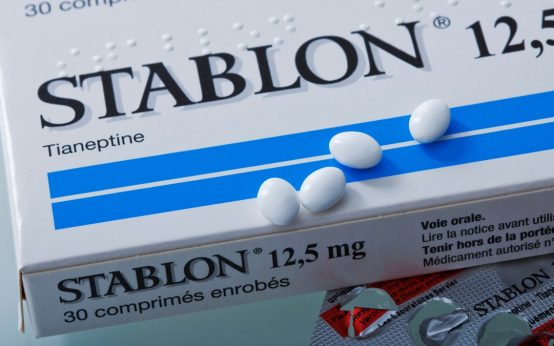 States Tighten Regulations on Tianeptine, Known as ‘Gas Station Heroin’
  Medicare Lab Test Payments: Upcoming Changes and Their Implications
  Gen Z Faces Economic Barriers to Dating and Intimacy
  Understanding and Preventing Suicide: A Public Health Priority
  Presley Gerber’s Death Highlights Concerns in Addiction Treatment Approaches