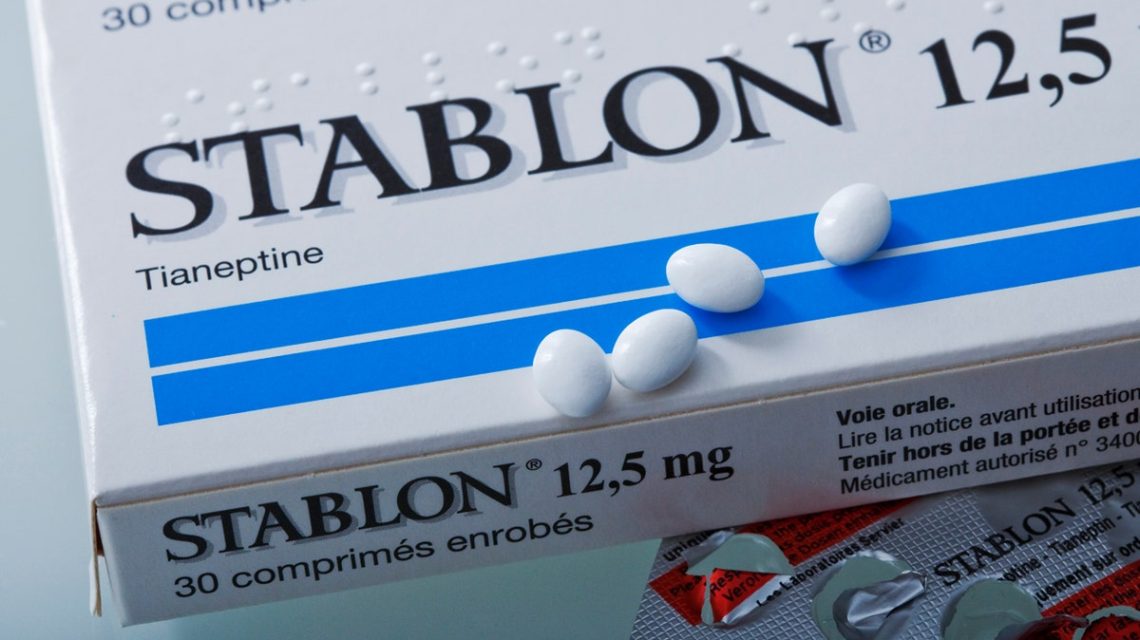
Medical professionals are increasingly concerned about tianeptine, a substance known as ‘gas station heroin.’ More states are moving to restrict or ban its use, with fourteen states having classified it as a Schedule I controlled substance. Connecticut is the latest to act, banning sales and usage as of Wednesday.
Health Risks and Misuse
The U.S. Food and Drug Administration warns that tianeptine can elicit euphoria at high doses, similar to morphine and addictive opioids. Misuse may lead to severe health issues like respiratory depression, sedation, and death, as noted by the Drug Enforcement Administration.
Products and Marketing
Tianeptine is marketed under names like Tianaa, ZaZa, and Neptune’s Fix and is available in pill, powder, salt, and liquid forms. It is often sold in convenience stores, gas stations, vape shops, and online retailers. Companies promote it as a remedy for pain, anxiety, depression, or as a cognitive enhancer.
Connecticut Lt. Gov. Susan Bysiewicz stressed the importance of Schedule I classification to fight addiction. She criticized misleading marketing and candy-like flavors targeting vulnerable individuals and young people.
Regulatory Actions
Connecticut has also added substances like Mitragyna speciosa (kratom), Bromazolam, and Nitazenes to its controlled substances list. FDA Commissioner Martin Makary expressed concern over the health risks, urging public awareness, especially among youth.
Robert Schwaner, M.D., highlights that tianeptine’s effects on mu-opioid receptors can lead to respiratory failure, cardiac arrest, and addiction similar to opioids. He supports national regulation due to its addictive nature.
Dr. Marc Siegel points out kratom’s active compound, 7-hydroxymitragynine, poses a significant addiction risk. He warns of a growing epidemic as millions of Americans use similar substances without routine testing.
Fox News Digital contacted the FDA for comments and additional insights. The reporting contributions include work from Melissa Rudy, Greg Wehner, and Ashley J. DiMella.
 Medicare Lab Test Payments: Upcoming Changes and Their Implications
  Gen Z Faces Economic Barriers to Dating and Intimacy
  Understanding and Preventing Suicide: A Public Health Priority
  Presley Gerber’s Death Highlights Concerns in Addiction Treatment Approaches
  MAHA Activists Challenge Trump and RFK Jr. on mRNA Vaccines
  Fraud Task Force Saves Billions by Targeting Obamacare Fraud