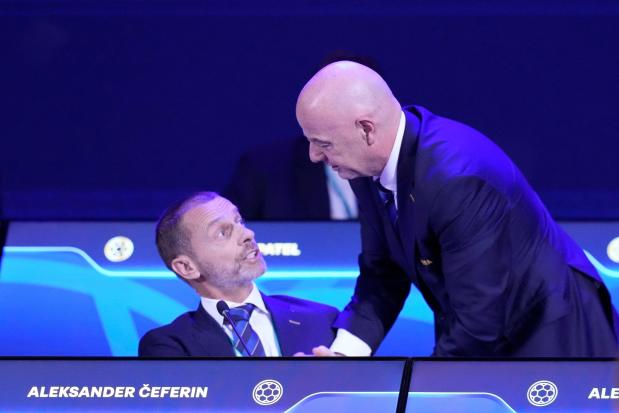
In a decisive move, European nations have announced a boycott of the World Cup and all FIFA competitions. This decision protests FIFA President Gianni Infantino’s proposal to sell stakes in soccer’s premier tournament to private investors. On the same day, the North American soccer body rejected the plan.
Following an emergency online meeting with its 55 members, UEFA stated unequivocally, “UEFA and its national associations will not participate in FIFA competitions.” The Women’s Under-20 World Cup in Poland is the next FIFA event in Europe.
UEFA emphasized the importance of the World Cup, saying, “The FIFA World Cup belongs to football. So long as Europe has a voice, it will never be for sale.” This strong stance follows Infantino’s proposal to offer $20 million to each of FIFA’s 211 members. Acceptance is required by mid-September.
CONCACAF, with 41 members, also voted against Infantino’s plan. Their concerns include the lack of due process, an artificially short deadline, and no review by FIFA governance bodies. Questions were raised about the necessity of outside investment after the most profitable World Cup in history.
Infantino’s secret project involves a new $20 billion subsidiary, FIFA Forward Enterprise (FFE), with 20% owned by private investors. Joshua Kushner’s New York investment firm would be a core investor. Infantino promises to double each member’s basic funding from $10 million to $20 million over four years if they approve FFE.
This is not merely a profound failure of leadership, but an abdication of FIFA’s duty as the custodian of world football,said UEFA, criticizing Infantino.
Gianni Infantino, who was once UEFA’s general secretary, faces mounting pressure. His presidency could be at risk, with potential candidates having until November 18 to declare their candidacy for the upcoming election.
Anger is rising among soccer stakeholders. UEFA’s detailed concerns regarding external investors include changes in football’s core values and pressures from commercial returns. UEFA declared a non-participation stance in FIFA competitions as long as the proposals exist.
The Asian Football Confederation (AFC) has also expressed fears. AFC President Sheikh Salman bin Ibrahim Al Khalifa warned that unilateral actions by FIFA undermine football’s foundations. Infantino had earlier support from Sheikh Salman, who lost the FIFA presidency to him in 2016.
In a video message, Infantino presented the private equity proposal as an opportunity to enhance global soccer funding. A FIFA presentation aimed to improve revenue from broadcast rights and sponsorships through the FFE.
Adding more teams to FIFA events could affect global competitions’ scheduling. This risk concerns bodies like UEFA and the AFC, which organize World Cup qualifying games, continental tournaments, and Champions Leagues.
Sheikh Salman highlighted the importance of understanding the initiative’s potential impact on global and Asian football, including the commercial and organizational landscape.
In 2021, Europe’s World Cup boycott threat halted Infantino’s two-year World Cup proposal. Presently, the resistance to private equity investment signifies major discontent with Infantino’s leadership.
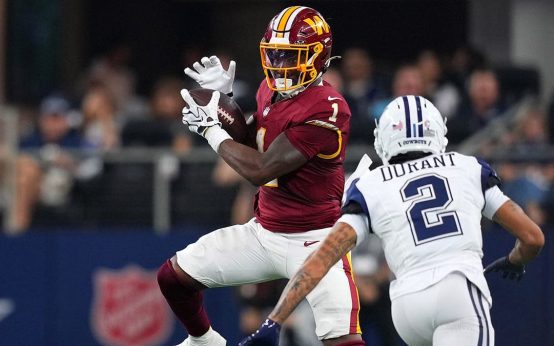 Dallas Cowboys Defeat Washington Commanders Amid Player Injury
 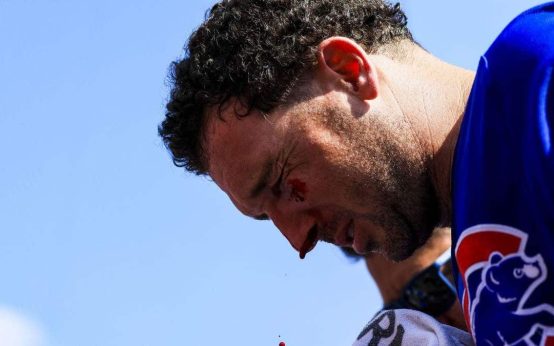 Chicago Cubs’ Alex Bregman Suffers Facial Injury from Foul Ball
  Gorillaz and Macklemore Respond to Controversy Over Israel-Palestine Statements
 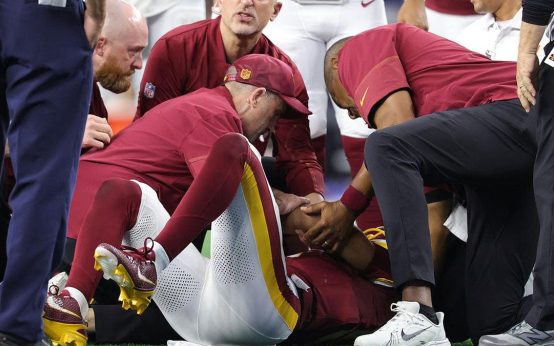 Washington Commanders Face Major Setback as QB Jayden Daniels Suffers Elbow Injury
  Investigation into Lion Deaths in Tanzania
 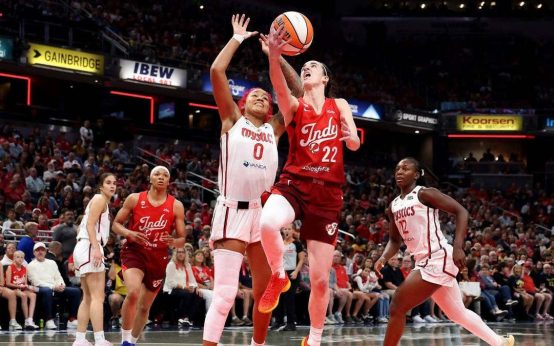 Indiana Fever’s Struggles Against Washington Mystics