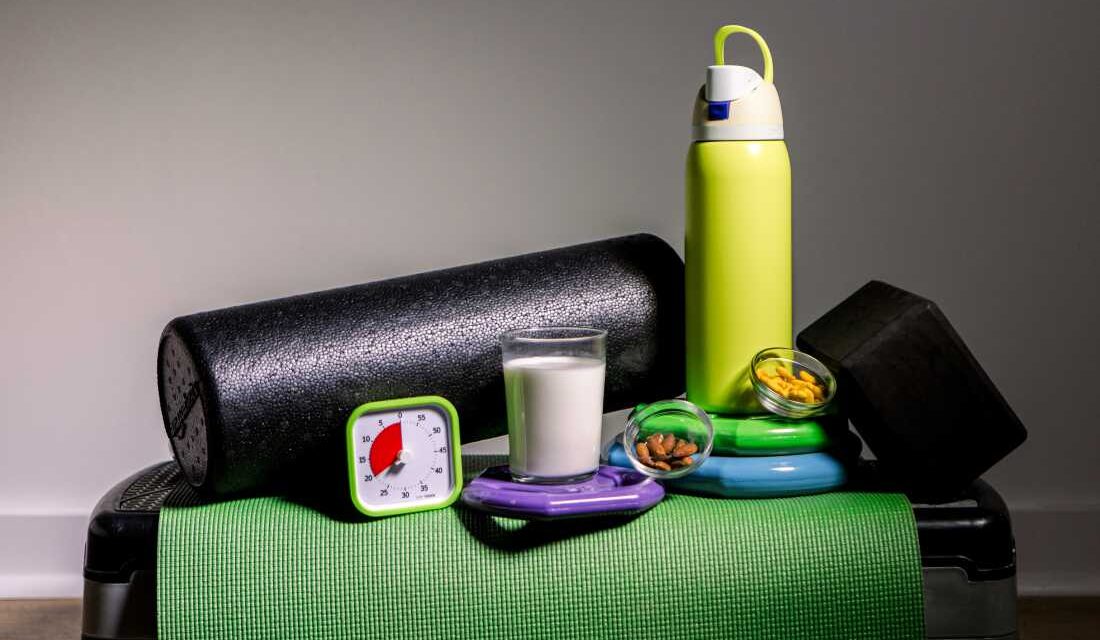
A comprehensive post-workout routine is vital for recovery and performance improvement. It should include a 10- to 15-minute cool down, stretching, foam rolling, and a nutritious protein snack.
Anna Cockrell’s Experience
Anna Cockrell, a professional track and field athlete, learned the importance of recovery. Before turning pro, she often skipped cooldowns and stretching due to a tight college schedule. Once she focused on a proper post-workout routine, she achieved her fastest times. Cockrell, a two-time U.S. Olympian, observed greater physical capabilities after prioritizing recovery.
Exercise recovery reduces injury risk, alleviates soreness, and boosts athletic performance. Many neglect post-exercise activities, but Dr. Natasha Desai from NYU Langone Health stresses their significance. Athletes and fitness newcomers alike should follow key steps post-workout, guided by scientific advice.
1. Cool Down for 10-15 Minutes
A cool down reduces dizziness and fatigue. It’s critical not to transition immediately from intense exercise to rest. During workouts, blood flow targets muscles, which needs gradual redirection. Skipping a cool down can lead to a significant blood pressure drop, dizziness, or fatigue.
How to cool down: Engage in 10 to 15 minutes of low-intensity movement post-workout. Options include speed-walking, slow-jogging, or light biking. Mix movements as needed. If necessary, cut a portion of your training for this.
2. Foam Roll Muscles
Foam rolling can ease soreness, although it’s not guaranteed to prevent it. It serves as a gentle self-massage. If it feels beneficial, continue the practice.
How to foam roll: Acquire a foam roller or use gym equipment. Position the roller under the desired muscle, then roll your body back and forth for about a minute. Focus on the muscle groups worked during your session.
3. Stretch for Flexibility
Effective stretching prevents injuries and enhances flexibility. Avoid painful over-extension, instead aiming for a manageable stretch.
How to stretch: Start with basic stretches. If pain occurs, reduce intensity. Hold stretches for about 30 seconds.
- Quadriceps stretch: Pull one ankle back towards the butt.
- Knee-to-chest stretch: Lie back and pull one knee to your chest.
- Yoga: Cockrell incorporates yoga for gradual progress.
4. Refuel with Protein
Post-exercise nutrition significantly contributes to muscle building. Consuming protein aids in muscle development.
How to refuel: Incorporate protein sources like chocolate milk, shakes, or bars. Sources can be plant-based, including lentils, almonds, and tofu. Sports medicine recommends up to 1.7 grams of protein per kilogram of body weight daily.
Bonus: Enjoy a Relaxing Bath
Cockrell enjoys baths with essential oils and Epsom salts several times a week to aid relaxation and reduce inflammation.
Recovery activities should be both effective and enjoyable. Engage in these routines to enhance your fitness journey.
 Medical Diagnosis Errors: Understanding the Crisis
  Lymphatic Drainage and Ice Sculpting: Emerging Wellness Trends
  The Rising Trend of GLP-1 Medications Among College Students
  The Challenges and Opportunities of Testosterone Therapy for Menopausal Women
  Long-Term Health Impacts of 9/11 and the Continuing Response
  Mental Health Challenges for Women with Type 2 Diabetes