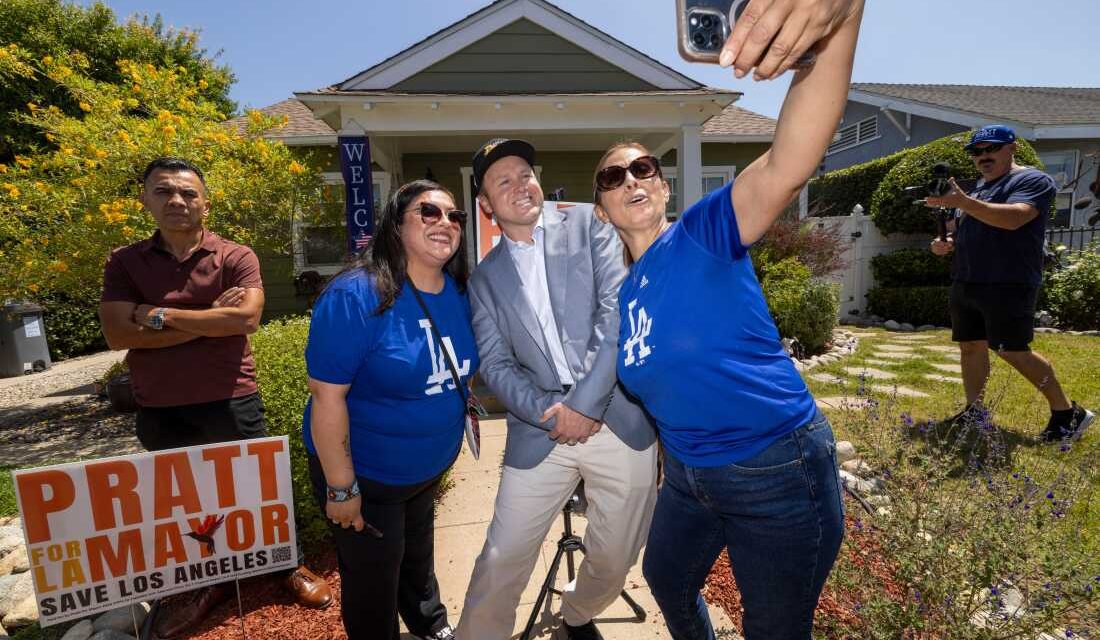
Los Angeles mayoral candidate Spencer Pratt, known for his prior reality TV fame, has become a central figure in a wave of election misinformation surrounding the city’s recent mayoral race. As vote totals were slowly revealed, baseless claims on social media platform X suggested a conspiracy was underway to deny him a position in the November runoff against current Mayor Karen Bass.
Some unfounded assertions highlighted changes in betting odds on platforms like Kalshi and Polymarket, suspecting foul play in the counting process. Influencers played a significant role in spreading these claims, often via posts sponsored by the betting companies themselves.
Posts on X reflected these allegations, with influencer Mila Joy and commentator David Freeman amplifying the narrative. Both posts indicated paid partnerships, hinting at significant investments by Kalshi and Polymarket into influence-based marketing tactics.
The situation mirrors a growing trend where prediction markets become tools in misinformation campaigns. The method, which pays social media personalities to post engaging content, raises ethical questions, especially when posts imply electoral fraud.
Kalshi and Polymarket have since attempted to control their messaging as backlash grew. Both companies indicated intentions to limit influencers spreading misinformation. Partnered posts denying election results have prompted these measures, including prompting some creators to remove the label indicating a sponsorship.
Regulating paid promotional content is critical, particularly in light of new regulations by the Federal Trade Commission. Disclosures of paid posts are mandated, although enforcement remains inconsistent.
California’s slow vote tallying, a normal process due to extensive mail-in voting, has become the target of baseless narrative. President Trump and others have inappropriately linked slower counts to allegations of electoral fraud, ignoring standard procedures that ensure transparency and accuracy.
Election experts warn this surge in election misinformation does not bode well for upcoming contests, including the November midterms. Challenges encountered by ongoing fact-checking efforts highlight a need for vigilance in combating these tactics.
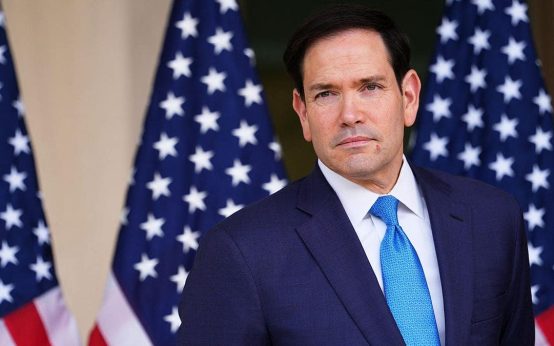 Marco Rubio’s Expanding Role in Trump Administration
 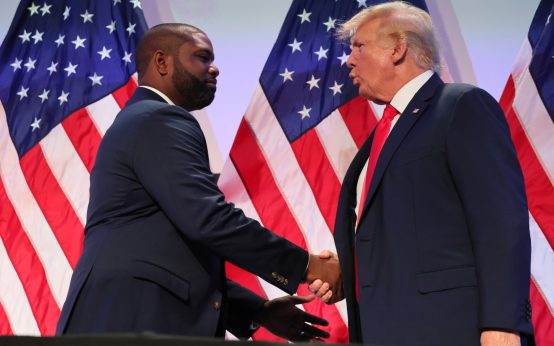 Byron Donalds Adjusts Campaign Strategy as Florida Governor Race Intensifies
 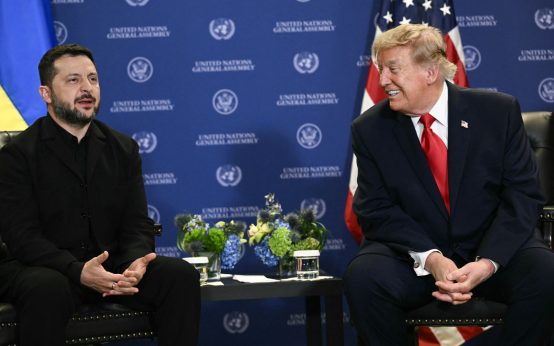 Trump’s Engagements at the UN: Focus on Ukraine and White House Developments
 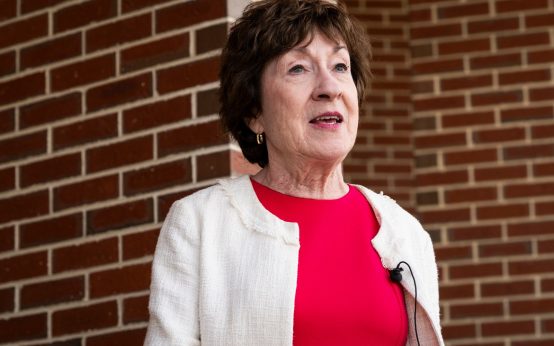 Collins Faces Scrutiny in Tight Maine Senate Race Amid Donor Allegations
 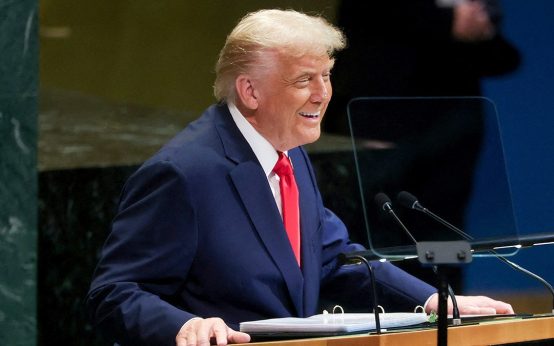 Trump’s Vision for Global Security: Iran, AI, and the Role of the U.S.
 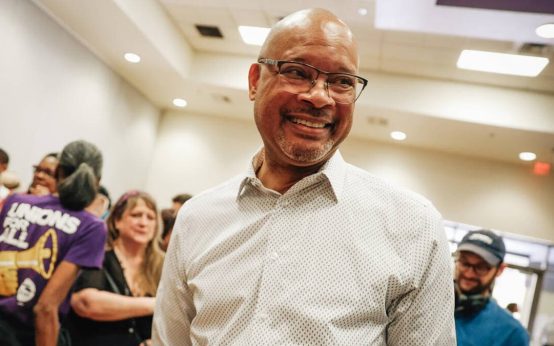 Nevada Attorney General Faces Questions Over Clemency Bid