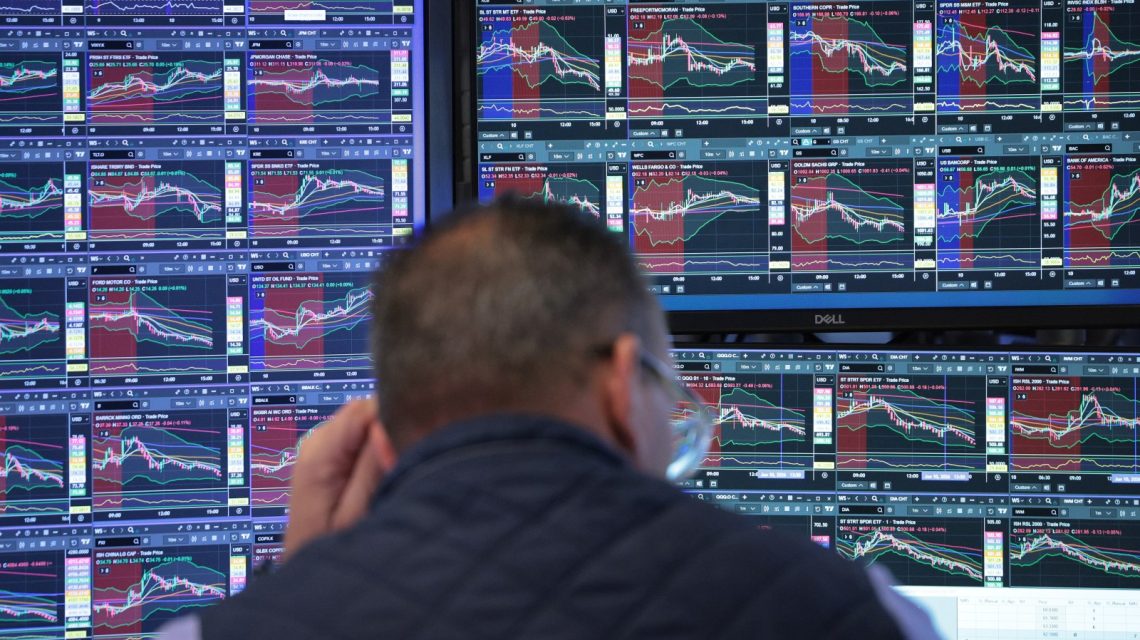
The United States and Iran are engaged in renewed intensive fighting. President Donald Trump insists that Iran will face consequences for delays in negotiating peace, further escalating a conflict that is nearing four months. This conflict, exacerbated by a U.S. naval blockade, is devastating Iran’s economy but also burdening consumers worldwide, including in the United States.
Data released on Wednesday revealed that the Consumer Price Index rose by 4.2% in May from a year earlier, marking the highest annual increase in three years. Energy prices climbed 20.3%, and gasoline prices surged 40.5% over the past year. These statistics bolster fears that prolonged Middle East tensions could spur further inflation, affecting economic growth while U.S. consumers struggle with escalating costs.
“The economic fallout of the Iran war is weighing increasingly heavily on U.S. consumers,” said Mark Zandi, chief economist at Moody’s Analytics. “The typical American household has spent an additional $510 due to higher costs of gasoline, diesel, and jet fuel.”
An Unequal Burden
The increased figures undermine efforts by the Trump administration to relieve U.S. taxpayers. During a State of the Union address in February, just before authorizing military action with Israel against Iran, Trump highlighted tax reforms designed to benefit working citizens and cited lower fuel costs as evidence of economic progress.
While these efforts saw some success, the progress is being offset by the Middle East crisis, disproportionately affecting certain U.S. sectors. Zandi noted, “Personal tax cuts this year raised the typical refund by less than $350. The financial burden falls hardest on low and middle-income Americans, who spend a larger budget share on energy than wealthier people.”
Diane Swonk, chief economist at KPMG U.S., expressed concern over growing economic inequality, stating, “Economic aggregates mask growing inequality, and inflation acts as a regressive tax, placing the greatest strain on those least able to afford it.” Higher-income households continue spending, supported by investment gains, while lower-income groups struggle.
Crisis and Economic Resiliency
This crisis is the latest shock testing the U.S. economy. Following the COVID-19 pandemic’s price drops and Russia’s 2022 Ukraine invasion impact, the U.S.-Israeli conflict with Iran creates another oil and gas disruption. The shock is seen from the booming AI sector to farmers battling higher fuel and chemical costs, sparking fears of permanent market change.
“To assume these shocks are mere pass-through events is to ignore recent years’ experiences,” Swonk stated. “We’re seeing inflation becoming normalized.”
Behind the Numbers
Despite this pressure, Trump remains unfazed. When asked about the economic outlook, he remarked, “I love the inflation,” implying a secret initiative of “taking out millions of barrels of oil” from the Strait of Hormuz. He predicted that post-war, inflation “will come down like a rock.”
Betsey Stevenson, professor at the University of Michigan, noted gasoline and energy prices rose 21% and 11% respectively in March, as the conflict began. Although the climbing rates slowed in the following months, Stevenson emphasized that while inflation appears high annually, the monthly increase is stable.
“When examining core inflation without food and energy, May’s rate was lower than April’s,” Stevenson explained. “Future inflation will depend on oil supply restrictions amid the conflict’s escalation.”
Ryan Nunn, from Yale University’s Budget Lab, highlighted changes since the 1970s oil crises. “The U.S. uses less oil per dollar of output. Both economic growth trends away from oil-intensive activities and improved fuel efficiency play roles. Also, fracking has increased U.S. oil production.”
The Longer, the Worse
The conflict’s duration compounds the shock. “A prolonged shock would result in larger economic effects,” Nunn stated. He explained that Federal Reserve actions to control prices, by tightening monetary policy, would alleviate inflation but impact economic activity.
Michael Pearce, chief economist at Yale University’s Budget Lab, pointed out that GDP growth was downgraded from 2.8% to 2.1% earlier this year. This assumes a U.S.-Iran deal by next month and resumed Strait of Hormuz shipping by year-end. However, prolonged conflict until 2027 could push oil prices to $150, straining consumers further. This scenario risks supply chain disruptions worsening growth impacts and deeper inflation spikes.
“We’re still far from a recession,” Pearce stated, “but expect sluggish growth in this environment.”
 Google Fined for Breaching EU Privacy Rules
  South China Sea Tensions Rise after Collision between Chinese and Philippine Ships
  North Korea’s Hypersonic Weapon Test Amid Global Tensions
  Austin Tice: A Search for Answers
  U.S., Denmark, and Greenland Forge New Security Agreement
 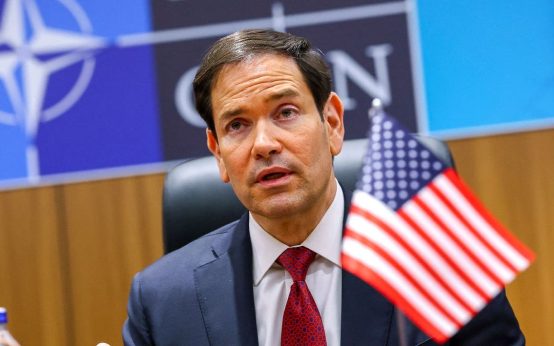 Secretary Rubio Discusses Middle East Conflict and NATO Relations